
Monitoring metabolic energy expenditure, health, and fitness with a breath analyzer
Simple-to-use, low-cost respiratory sensor enables measurement and tracking of personal metabolism.
Simple-to-use, low-cost respiratory sensor enables measurement and tracking of personal metabolism.
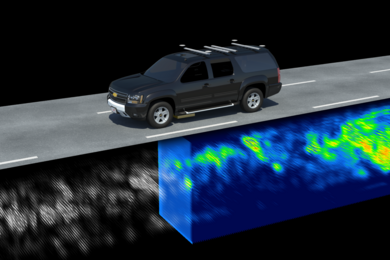
Commercial prototypes of the system will be available to the self-driving vehicle industry.
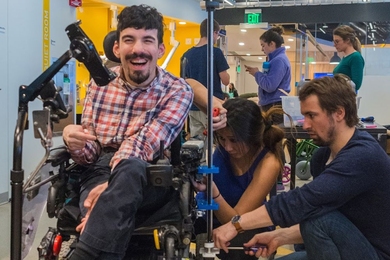
At the 2017 Assistive Technologies Hackathon hosted at Beaver Works, students created helpful devices for Greater Boston residents with disabilities.
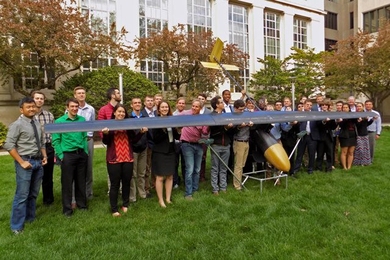
New design could provide communication support in disaster zones.

Advanced Land Imager instrument developed at MIT Lincoln Laboratory helped NASA mission exceed expectations.
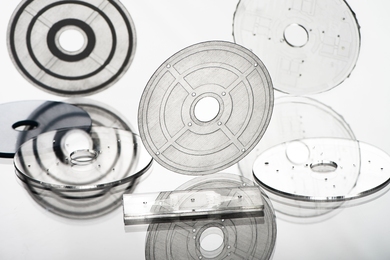
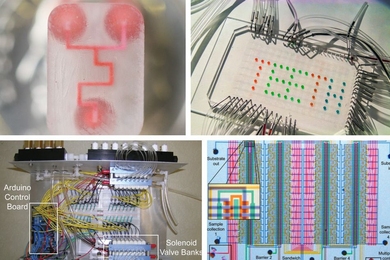
Lincoln Laboratory researchers propose an alternative to expensive microfluidics fabrication facilities.
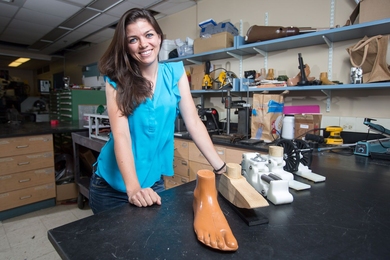
Students recognized for inventive solutions to challenges in health care, transportation, food and agriculture, and consumer devices.
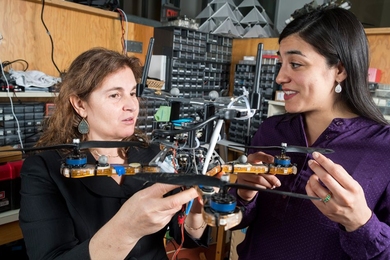
New technique could protect robot teams’ communication networks from malicious hackers.

Grad students Kristen Railey and Alexander Feldstein were named to the Aviation Week Network’s “20 Twenties” for 2017.


Lincoln Laboratory’s imaging system can uncover what's under the trees.

Engineering systems design and development course embodies the spirit of National Engineers Week.

A leader in the development of advanced satellite communication systems, Morrow led Lincoln Laboratory for 21 years.

Professor James Fujimoto, Eric Swanson SM '84, and collaborators lauded for optical coherence tomography.