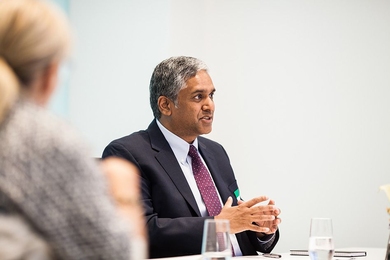
3Q: Anantha Chandrakasan on new MIT–IBM Watson AI Lab
Lab seeks to expand the boundaries of research on artificial intelligence.
Lab seeks to expand the boundaries of research on artificial intelligence.
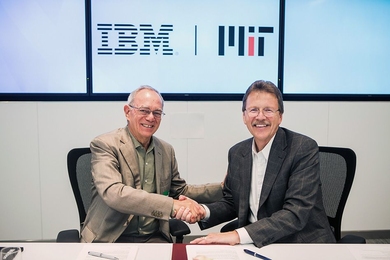
IBM plans to make a 10-year, $240 million investment in new lab with MIT to advance AI hardware, software, and algorithms.

Successful programs aren’t limited to well-off towns with strong environmental movements.

One drought remedy: Keep infrastructure fast, cheap, and under control.
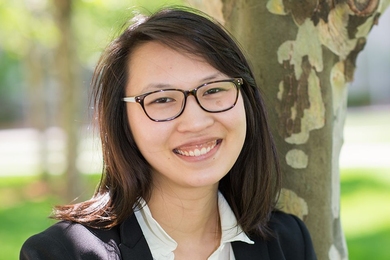
Amanda Giang PhD '17 models a pollutant’s pathways and helps decision makers craft more effective mitigation policies.
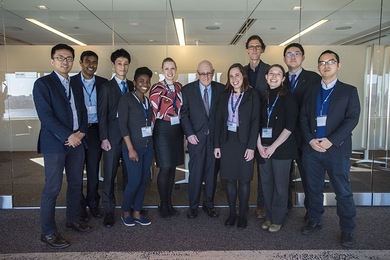
Former department head and Department of Civil and Environmental Engineering alumnus Joseph Sussman retires after 50 years.
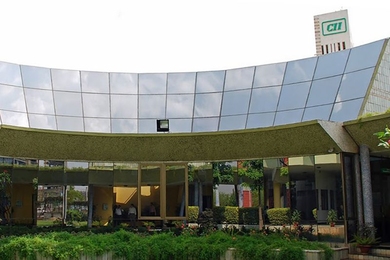
Award-winning paper by Arun Singh shows how one of the world’s fastest-growing economies can expand its energy consumption while limiting emissions.
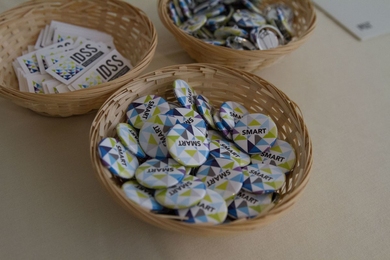
Speakers from academia, industry, and government discuss the evolution of smart urban systems.
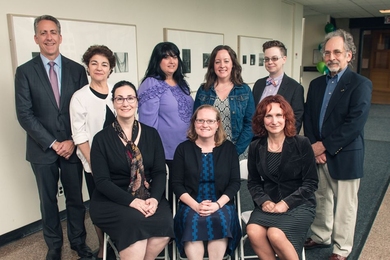
The School of Engineering gives its 2017 Infinite Mile Awards for exceptional service and support.
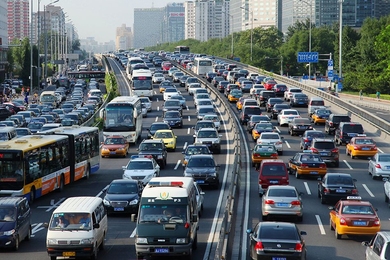
Combining climate policy and vehicle emissions standards could pack a one-two punch.


Study at MIT Medical finds most parents are capable of performing the test.

SDSCon 2017 gathers community and showcases research projects that apply data science to major systems and issues.
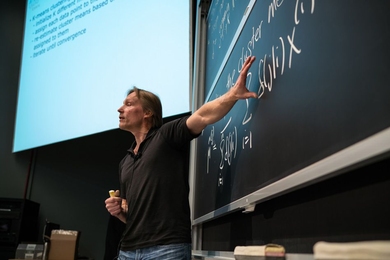
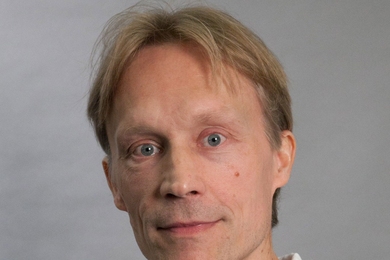
Leader in machine learning and natural language processing takes on professorship established by veteran software entrepreneur Thomas Siebel.