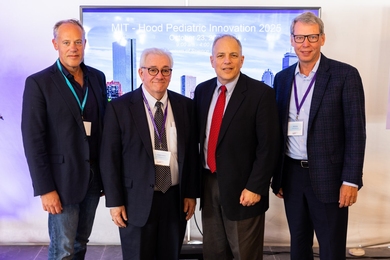
MIT-Hood Pediatric Innovation Hub convenes leaders to advance pediatric health
The Hood Pediatric Innovation Hub brings together clinicians, researchers, and industry to bridge the gap between discovery and care.
The Hood Pediatric Innovation Hub brings together clinicians, researchers, and industry to bridge the gap between discovery and care.

Angela Koehler, Iain Cheeseman, and Katharina Ribbeck are shaping the collaborative as a platform for transformative research, translation, and talent development across MIT.
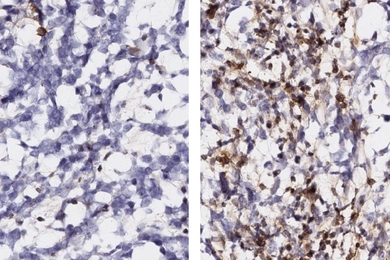
A study profiling antigens presented on immune and tumor cells in co-culture points to new strategies for attacking a treatment-resistant and deadly brain cancer.

New findings may help researchers identify genetic mutations that contribute to rare diseases, by studying when and how single genes produce multiple versions of proteins.
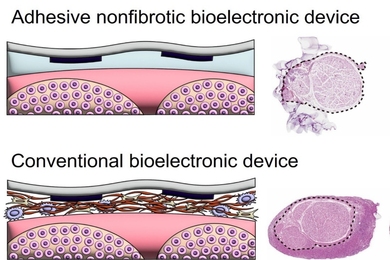
Inspired by traditional acupuncture, the approach has potential to impact all implantable bioelectronic devices, enabling applications such as hypertension mitigation.

MIT engineers show they can accurately measure blood glucose by shining near-infrared light on the skin.
BoltzGen generates protein binders for any biological target from scratch, expanding AI’s reach from understanding biology toward engineering it.
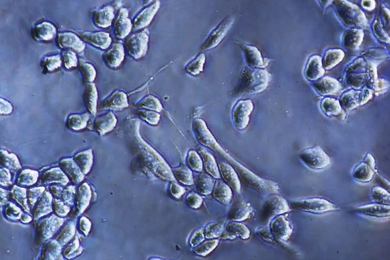
The approach could transform large-scale biomanufacturing by enabling automated and contamination-conscious workflows for cell therapies, tissue engineering, and regenerative medicine.

Five volunteers received 40Hz stimulation for around two years after an early-stage clinical study. Those with late-onset Alzheimer’s performed better on assessments than Alzheimer’s patients outside the trial.
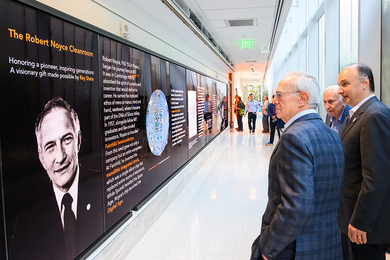
MIT.nano cleanroom complex named after Robert Noyce PhD ’53 at the 2025 Nano Summit.

Alnylam Pharmaceuticals establishes named fund in honor of its co-founder, an MIT Institute Professor and Nobel laureate.
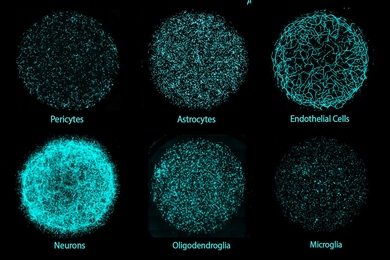
Cultured from induced pluripotent stem cells, “miBrains” integrate all major brain cell types and model brain structures, cellular interactions, activity, and pathological features.
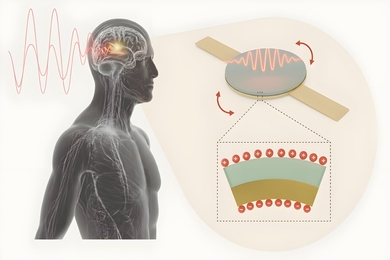
The technology would allow battery-free, minimally invasive, scalable bioelectronic implants such as pacemakers, neuromodulators, and body process monitors.
Adding amino acids to certain protein-based medications can improve stability and effectiveness. New MIT research demonstrates how it works.

Exercise is Medicine class integrates physical activity and academics.