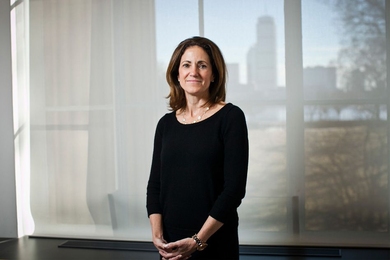
3Q: Cynthia Barnhart on progress to prevent sexual assault at MIT
A year after the release of a pioneering survey, chancellor discusses steps MIT has taken to date.
A year after the release of a pioneering survey, chancellor discusses steps MIT has taken to date.

A second clinic will take place Friday, Oct. 16 in the Stratton Student Center.
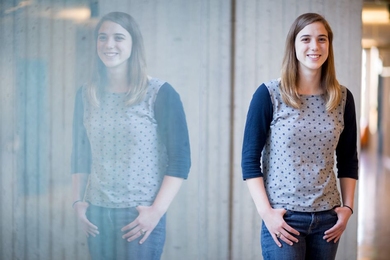
MIT students partner with a clinic in Togo to improve health care for HIV/AIDS patients.
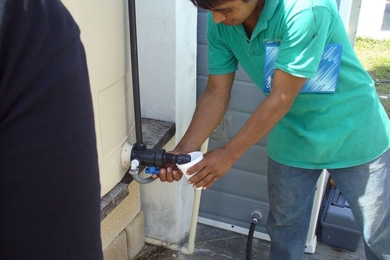
System developed at MIT proves practical for remote communities.
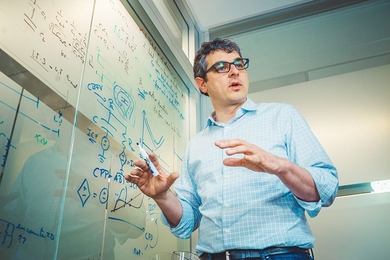
MIT researchers team up with Boston Medical Center and Philips to test a noninvasive way to measure intracranial pressure.
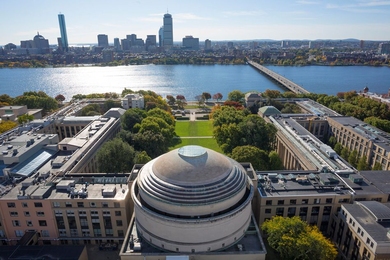
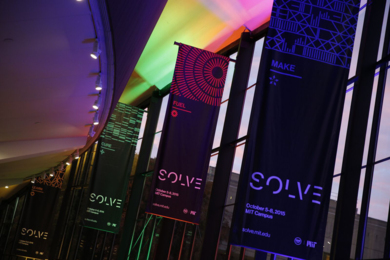
At Solve, MIT will host gathering of leaders to spur action on world problems.
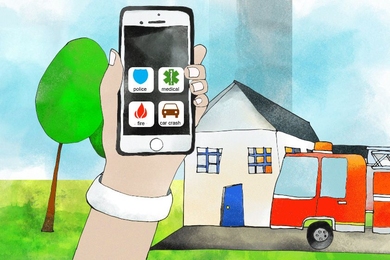
Mobile app automatically sends a caller’s location and medical data to dispatch centers.
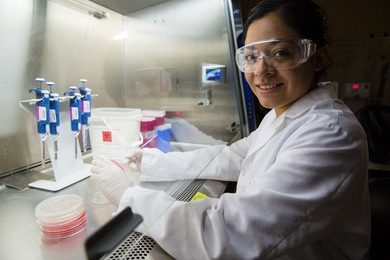
PhD student Mariana Matus studies human waste to understand individual and community health.

Tweaks to the R&D pipeline could create new drugs and greater social benefit.
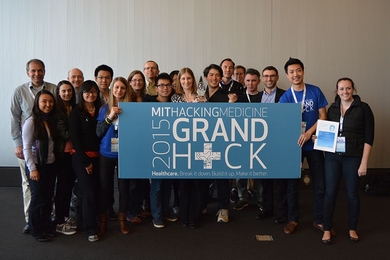
With MIT Hacking Medicine, brilliant minds converge at MIT to contribute to design thinking for health care.

MIT researcher discusses a new study on correlations among medical problems.
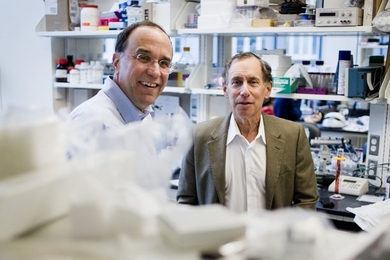
MIT spinout signs deal to commercialize microchips that release therapeutics inside the body.