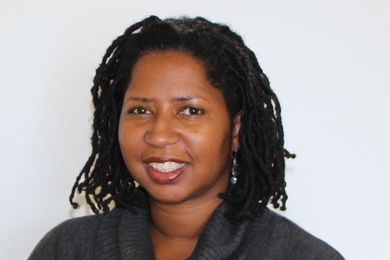
![“[W]hen I came here for CPW [Campus Preview Weekend], I realized that these people were really passionate about what they were doing, and that they were doing really cool things. It’s nerdy, but it’s my kind of nerdy,” senior Hermoon Worku says.](/sites/default/files/styles/term_page__news_article/public/images/201702/MIT-HermoonWorku-A1.jpg?itok=296Nh4HY)
Future physician-advocate
Senior Hermoon Worku is pursuing a career dedicated to surgery, advocacy, and teaching.
Senior Hermoon Worku is pursuing a career dedicated to surgery, advocacy, and teaching.
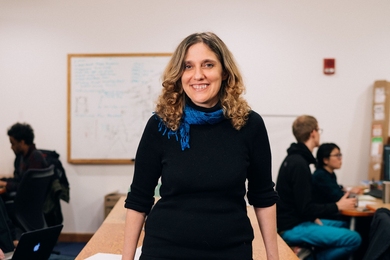
Computer scientist Regina Barzilay empowers cancer treatment with machine learning.

New study maps U.S. regions where patients appear more ill than they are
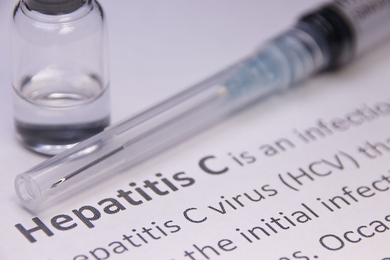
Pharma veteran and MIT visiting scientist Mark Trusheim advances a provocative solution to overcome treatment costs.
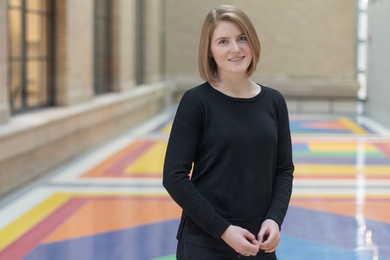
Nuclear science and engineering senior Caroline Colbert has found herself on an unexpected career path in the medical field.

Two-day conference explores opportunities for research, innovation, and evidence-informed policymaking to address a range of national health care challenges.
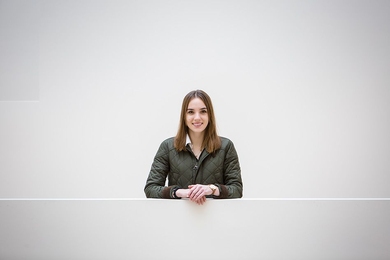
MIT senior studies cognitive science and medicine from the vantage point of a person with dyslexia.
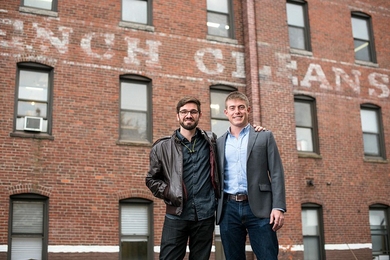
Smart insulin-pen cap lets patients and doctors track dosage data to better manage treatment.
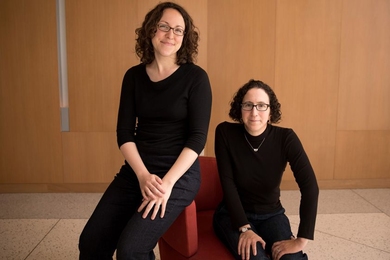
Providers and patients drive health care spending in roughly equal amounts, study shows.
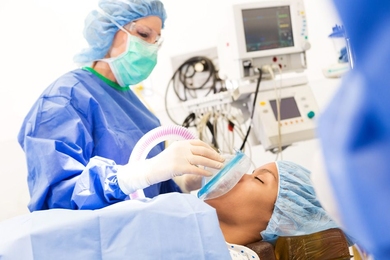
Activating certain brain neurons may spur recovery from general anesthesia.
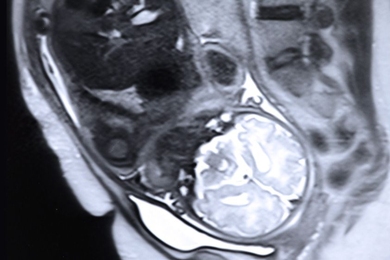
Algorithm could help analyze fetal scans to determine whether interventions are warranted.
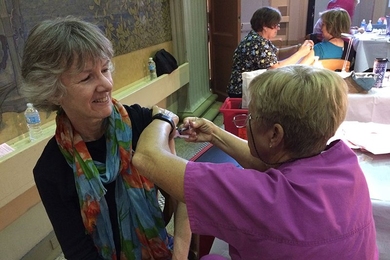
Second clinic to take place Thursday, Oct. 20, at the Stratton Student Center.
![“Contrary to the conjecture that Medicaid would get people to [move] out of the emergency room and to the primary care physician, we’re seeing a persistent increase in emergency room use,” says Amy Finkelstein, the John and Jennie S. MacDonald Professor of Economics at MIT.](/sites/default/files/styles/term_page__news_article/public/images/201610/MIT-amy-finkelstein.jpg?itok=rE5rhSv8)
Acquiring health insurance does not lead to drop in emergency room usage.
![“MIT is wonderful because in addition to [finding] an amazing home in economics, I can talk with and learn from a lot of people on the science side,” says Heidi Williams, the Class of 1957 Career Development Associate Professor in MIT’s Department of Economics.
MIT professor Heidi Williams](/sites/default/files/styles/term_page__news_article/public/images/201610/MIT-heidi-williams-01_0.jpg?itok=RYBkTTy6)
Heidi Williams builds all-new data sets to answer questions about innovation and biomedical research.