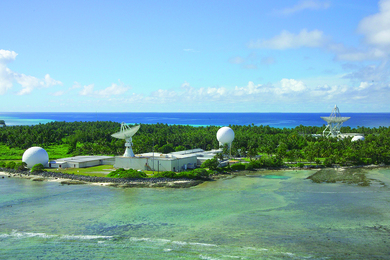
Then and now: How MIT Lincoln Laboratory has served as a driving force in national security innovation
Members of the laboratory community reflect on technology impacts that shaped the United States and the world over the past 75 years.
Members of the laboratory community reflect on technology impacts that shaped the United States and the world over the past 75 years.

Derived from patient tumor samples and available to researchers around the world, the cells will aid the development of new cancer treatments.
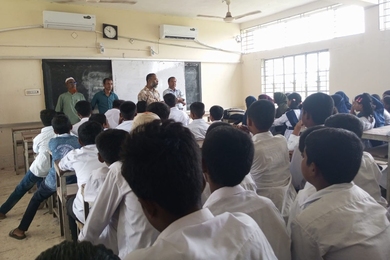
The Jameel Observatory-CREWSnet project opens a solar-powered “adaptation fortress” in Satkhira, a region facing severe and growing climate threats.

Using modern tools, they also determined that carbon tetrachloride, used as a dry-cleaning and degreasing agent as early as the 1930s, was at the root of early ozone loss.

In Ghana, semi-communal “compound houses” affect how much people vote and participate in political activity, new research shows.
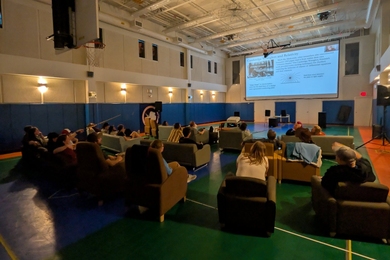
John Della Costa uses OpenCourseWare to engage fellow Antarctica “winterovers” in physics content, and to build community.
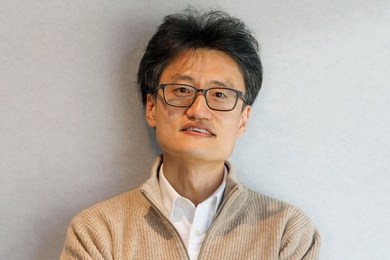
An expert in behavioral science and transportation, Zhao combines these studies with AI and public policy to address some of the most urgent challenges facing cities.

The rising second-year loves telling stories about food and friends, from oxtail and ackee in Jamaica to Thanksgiving dinner in New Vassar, as an MIT Dining Ambassador.
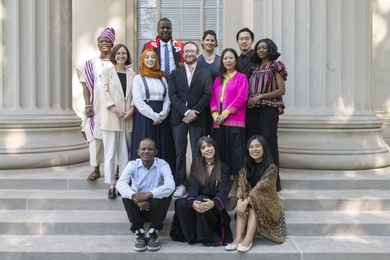
As the international program approaches its 60th year, leaders are reshaping its curriculum to address emerging technologies and the policies shaping their use in urban planning.
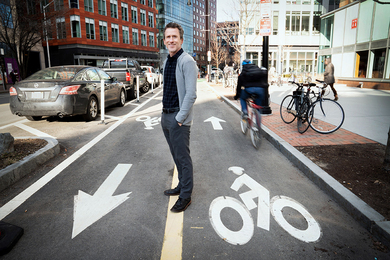
The professor of mobility and urban planning will lead MIT’s research enterprise in Singapore.
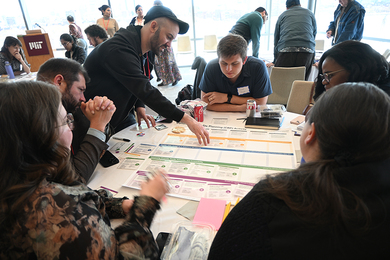
Living Climate Futures Symposium explores climate challenges and solutions at the community level.
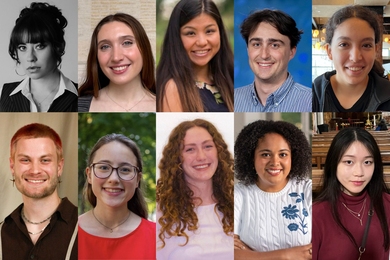
This year, over half of MIT’s Fulbright applicants won awards. The current students and alumni will embark on research projects and teaching abroad in 2026-27.

MIT senior Nik Sandu bridges scientific research with a strong commitment to teaching and community.

Countries with developing economies provide at least some public water, but safety may lag because it’s less visible, researchers say.
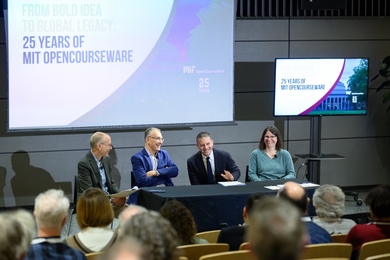
Twenty-five years ago, MIT opened its curriculum to the world with the launch of OpenCourseWare. MIT Open Learning continues to build on the legacy of that bold decision.