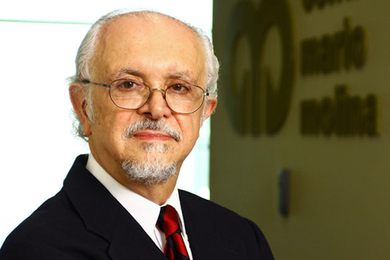
Institute Professor Emeritus Mario Molina, environmental leader and Nobel laureate, dies at 77
The atmospheric chemist shared the Nobel Prize for the discovery that chemicals known as CFCs deplete the ozone layer.
The atmospheric chemist shared the Nobel Prize for the discovery that chemicals known as CFCs deplete the ozone layer.
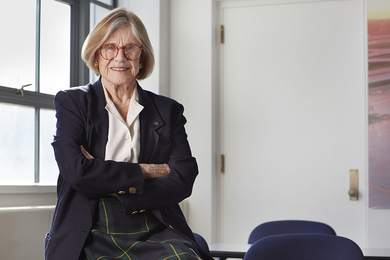
During 64 years at MIT, the Institute Professor Emerita has been a trailblazer in aerospace and the U.S. military, and a changemaker for women in STEM.
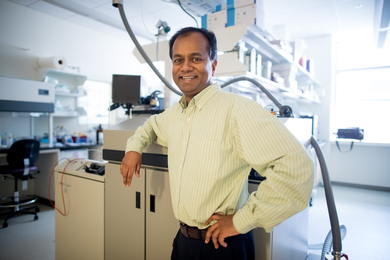
Biological engineer discusses condensing the time taken to develop therapeutics down from many years to a matter of months.
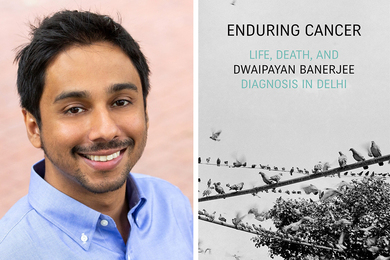
Dwaipayan Banerjee’s new book examines the psychological and social terrain of living with cancer in a country where the disease has long been downplayed.
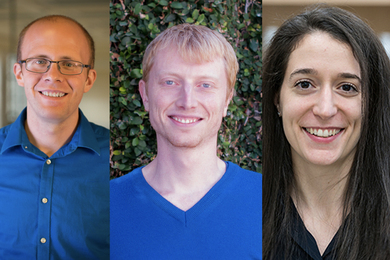
Michael Birnbaum, Anders Hansen, and Tami Lieberman receive NIH Director’s New Innovator Awards from the NIH Common Fund’s High-Risk, High-Reward Research program.
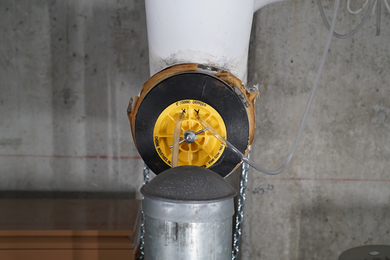
The pilot project is designed to determine if wastewater testing can provide early signals about the spread of the virus.
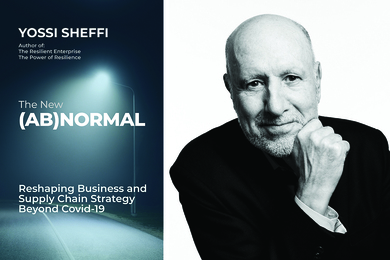
Professor Yossi Sheffi's latest book, “The New (Ab)Normal,” offers a key supply chain perspective on the pandemic.
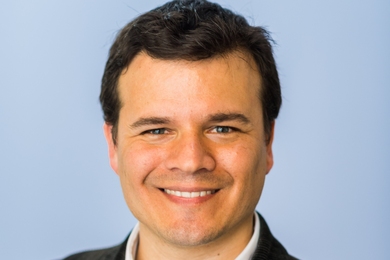
Physicist is honored with the RSEF’s highest scientific honor for his work on twistronics.
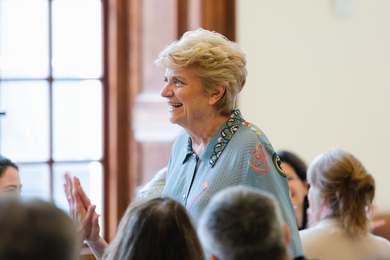
Molecular biologist and professor emerita advocates for more inclusive science and advises how to get there.
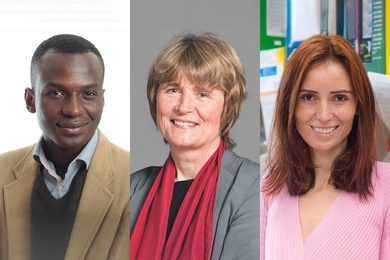
Prize recognizes contributions to biomedical research made by immigrant scientists.
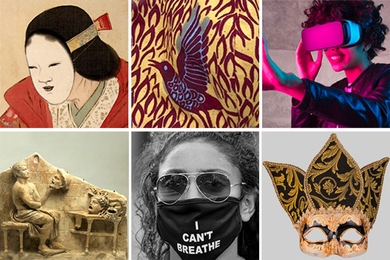
New ways to think about and practice protective masking, from faculty in the MIT School of Humanities, Arts, and Social Sciences.

MIT Professor Sinan Aral’s new book, “The Hype Machine,” explores the perils and promise of social media in a time of discord.
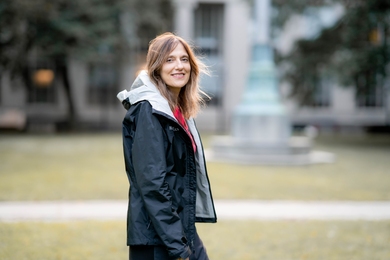
MIT professor announced as award’s first recipient for work in cancer diagnosis and drug synthesis.
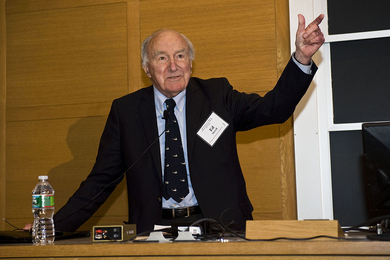
Biomaterials pioneer considered “the premier biomedical engineer of the 20th century.”
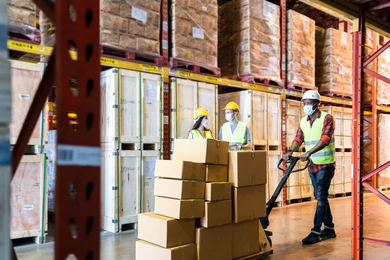
Work of the Future research brief looks at changes in two supply-chain industries in the wake of the pandemic.