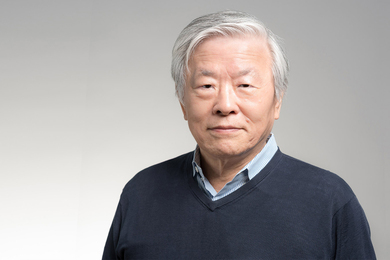
MIT Professor Susumu Tonegawa, renowned molecular biologist and Nobel laureate, dies at 86
Tonegawa made landmark discoveries about how the immune system generates antibody diversity and how the brain forms memories.
Tonegawa made landmark discoveries about how the immune system generates antibody diversity and how the brain forms memories.
Through research and entrepreneurship, Professor Devavrat Shah is helping to design methods that can handle constant decision-making using limited computational resources.
A faculty member since 2007, the scholar of medieval literature explores how different parts of physical manuscripts combine to create interest and meaning.
In this leadership role, Miljački seeks to shepherd a collective commitment to transform the present into a better future.
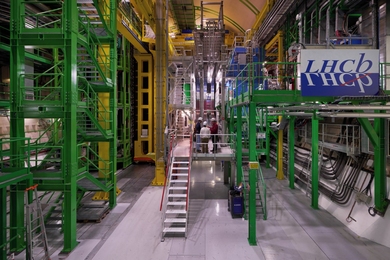
Assistant Professor Eluned Smith describes how new LHC data confirm a previously observed tension with the Standard Model, plus what else will be needed to determine whether new physics is at play.
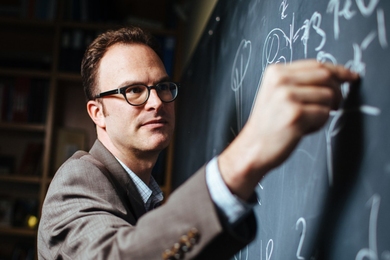
The professor of physics and inaugural director of the NSF AI Institute for Artificial Intelligence and Fundamental Interactions will lead LNS and continue his research in particle physics.
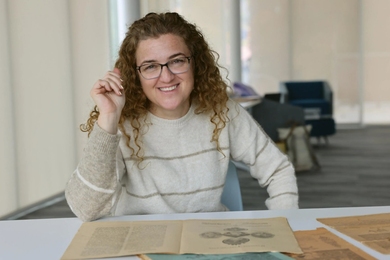
A faculty member since 2011, Ekmekcioglu examines how communities survive, adapt, remember, and make claims on justice under difficult political conditions.
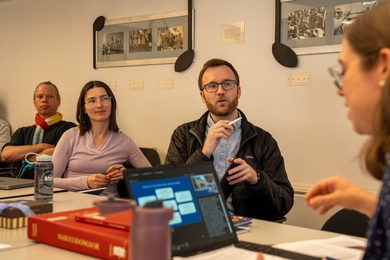
The SHASS Faculty Fellows Program, administered by the MIT Human Insight Collaborative, is fostering new research projects and creating space for supportive and interdisciplinary discussion.
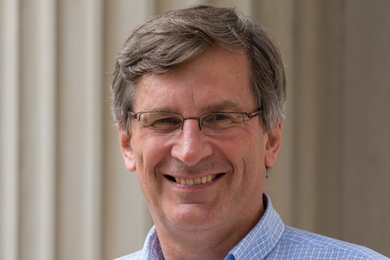
Wyslouch remains the director of the Bates Research and Engineering Center and will continue research on heavy ion collisions.
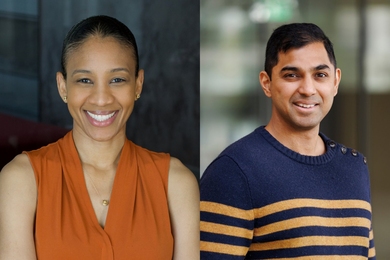
Cell biologist Whitney Henry and immunologist Harikesh Wong will receive four years of flexible funding to advance early-career research on ferroptosis and immune decision-making.
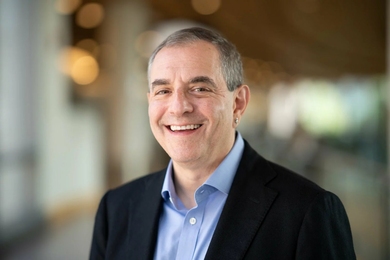
A faculty member since 1999, Autor is a leading researcher in artificial intelligence and the work of the future.
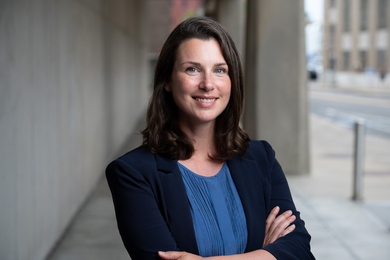
By analyzing X-ray reverberations and other astrophysical data, Erin Kara seeks to understand the most extreme objects in the universe.
Enjoy these recent titles from Institute faculty and staff.
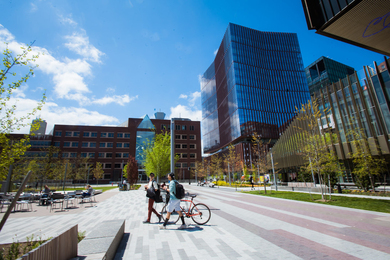
Leaders, faculty across MIT discuss fostering innovation and talent in Greater Boston in special series of articles published alongside the outlet's annual list of 'Tech Power Players'
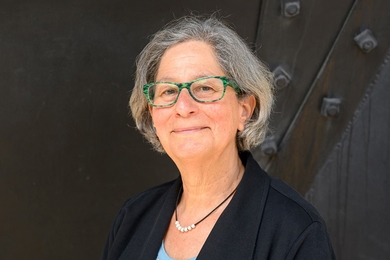
The MIT professor’s groundbreaking work on atmospheric chemistry helped lay steps towards recovery of the ozone layer and demonstrated the lasting impacts of carbon emissions on Earth’s climate.