Mapping out a low-carbon future
Energy scenarios provide useful decision-support tools for policymakers and investors.
Energy scenarios provide useful decision-support tools for policymakers and investors.
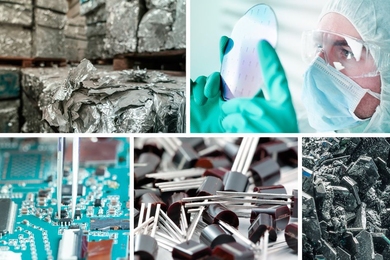
Researchers find no evidence of an overall reduction in the world’s consumption of materials.
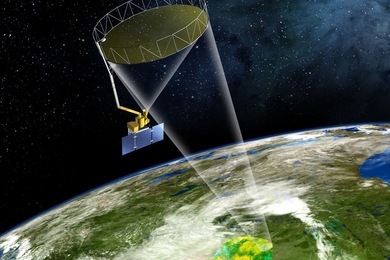
First year of data from SMAP satellite provides new insights for weather, agriculture, and climate.
Research shows how rebuilding Britain’s Houses of Parliament in the 1800s helped create clean-air laws.


MIT releases results of its second campus-wide inventory.
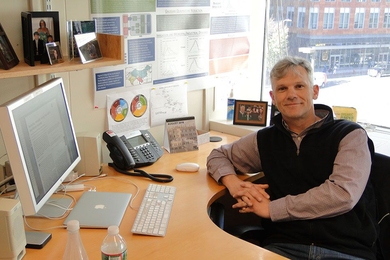
MIT research scientist C. Adam Schlosser assesses long-term risks to regional water and energy systems.
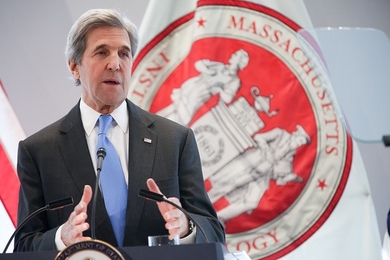
At MIT, U.S. Secretary of State highlights peril of climate change, economic promise of clean energy.

Through warming effects, methane and other gases impact rising seas long after leaving the atmosphere.
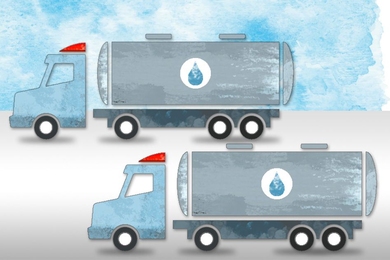
MIT alum’s website helps companies find, ship, and recycle water, reducing environmental impact.

Paul Kishimoto, a PhD student in IDSS, probes the future of transportation in China.
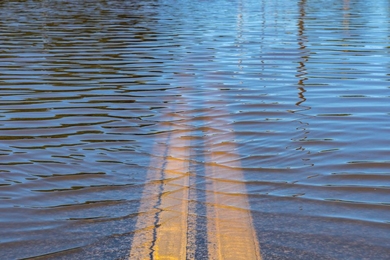
New technique predicts frequency of heavy precipitation with global warming.
A contest spurred several MIT labs to reduce waste and hazardous materials and conserve energy and water.

Bacteria can survive in marine environments that are almost completely starved of oxygen.
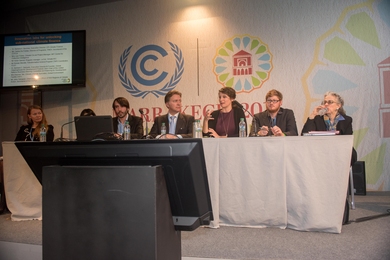
MIT Climate CoLab presents an innovative approach at the UN international climate talks in Marrakech, Morocco.