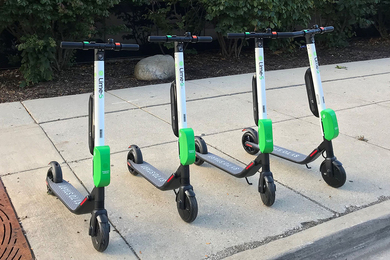
Comparing the benefits of scooter-sharing vs. bike-sharing
Studying usage in Singapore, MIT and SMART researchers find scooter rentals allow for increased sharing frequency and fewer vehicles needed.
Studying usage in Singapore, MIT and SMART researchers find scooter rentals allow for increased sharing frequency and fewer vehicles needed.
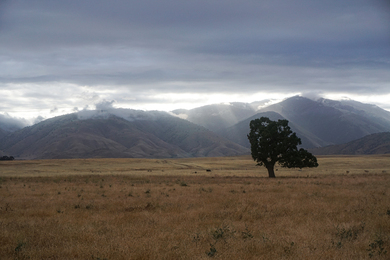
Study suggests parts of the Sierra Nevadas formed in a “geologic instant,” more than twice as fast as previously thought.
MIT senior Darya Guettler advocates for climate action and broader deployment of zero-carbon energy sources.
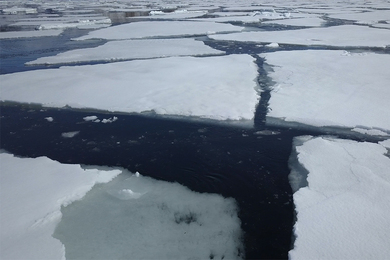
Study suggests sea ice blocks the flow of carbon both into and out of the ocean, in roughly equal measure.
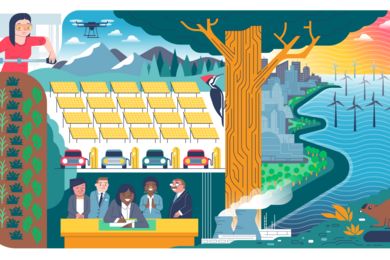
Website hosts an expanded suite of digital tools and resources to help people make sense of climate change.
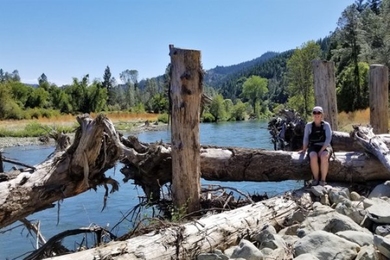
New analysis can help scientists and engineers better assess flood risk and habitat creation associated with restoration efforts.

Project supported by the Simons Foundation aims to reinvigorate environmental science by leaning on Parsons Laboratory's past as a leader in the space.
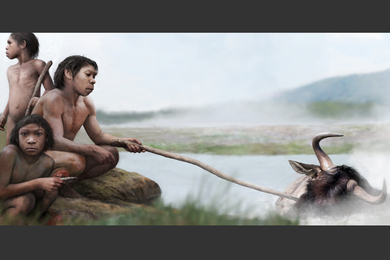
Scientists have found evidence of hot springs near sites where ancient hominids settled, long before the control of fire.
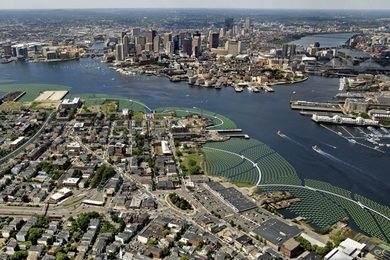
The winners of an MIT competition to design a future, climate-ready Boston have landed an award to realize their vision.
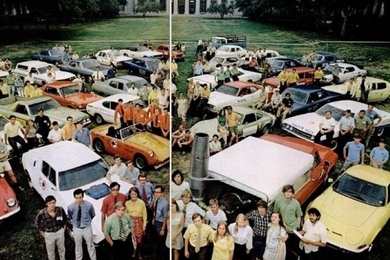
The Clean Air Car Race, which celebrated its 50th anniversary in August, had a lasting impact on the auto industry, government regulations, and the students and faculty who took part.

Through innovation in software and hardware, researchers move to reduce the financial and environmental costs of modern artificial intelligence.

PhD student Jessica Varner traces the way synthetic building materials have transformed our environment.
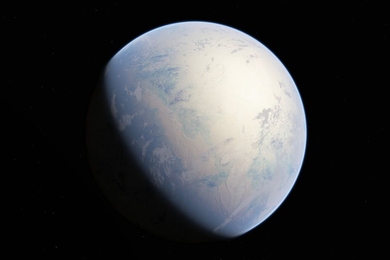
Findings also suggest exoplanets lying within habitable zones may be susceptible to ice ages.
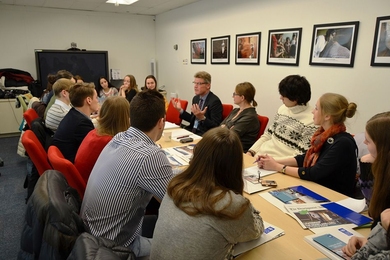
How energy-intensive economies can survive and thrive as the globe ramps up climate action.
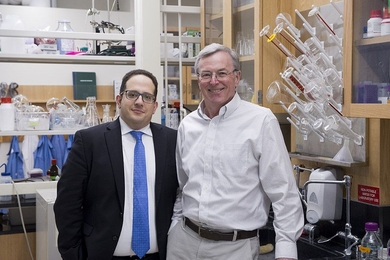
Researchers design an effective treatment for both exhaust and ambient air.