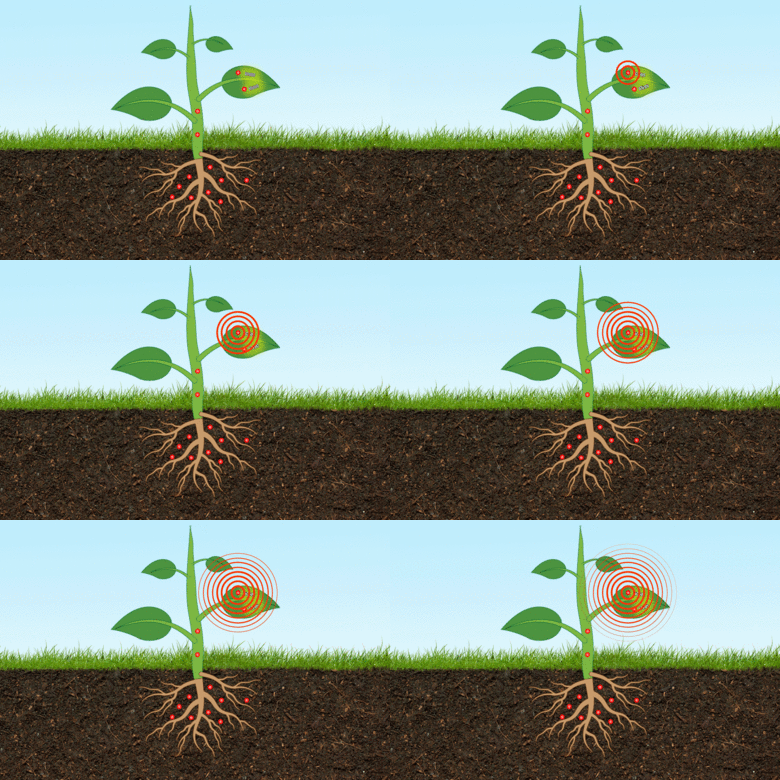
SMART researchers engineer a plant-based sensor to monitor arsenic levels in soil
Nanoscale devices integrated into the leaves of living plants can detect the toxic heavy metal in real time.
Nanoscale devices integrated into the leaves of living plants can detect the toxic heavy metal in real time.
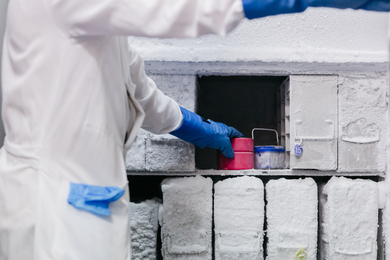
Whitehead Institute and MIT named 2020 Organizational Winners in the fourth annual International Institute for Sustainable Laboratories International Laboratory Freezer Challenge.

As part of NASA’s Mars 2020 mission, Professor Tanja Bosak helps determine the best samples to bring home for clues about life 4 billion years ago.
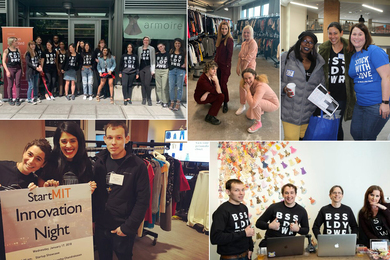
The clothing rental service Armoire helps customers sustainably maintain a fresh wardrobe.

Policymakers are hopeful that a Biden administration will encourage congressional action.
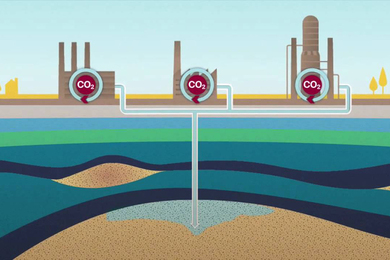
Carbon capture and storage are key to achieving climate goals.

New online tool lets students track key metrics on employers’ carbon footprints and encourages more engagement on sustainability issues.
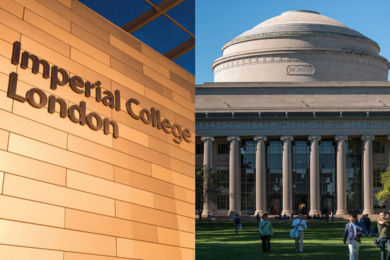
MIT and Imperial College London to tackle dual challenges of climate and pollution through new seed fund focus.
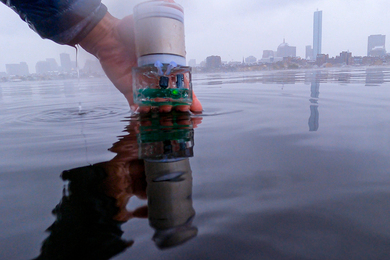
New approach could spark an era of battery-free ocean exploration, with applications ranging from marine conservation to aquaculture.
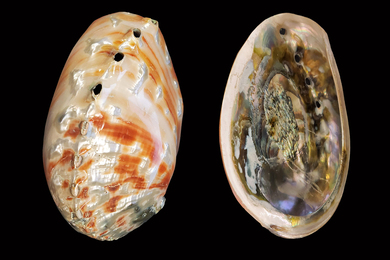
Discovery could lead to new designs for improved and more sustainable materials inspired by nature.

High-resolution climate projections could enable a robust adaptation and resilience response.
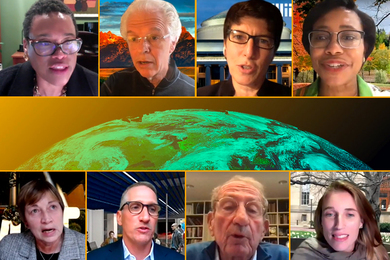
An online symposium explores roles for research universities and outlines the Institute’s efforts to be a testbed for research and policy innovations.
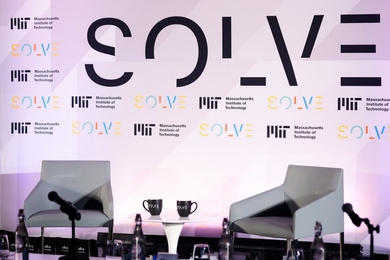
Fourth annual social impact pitch event gathered global Solve community to connect, collaborate, and meet the 2020 Solver Class.
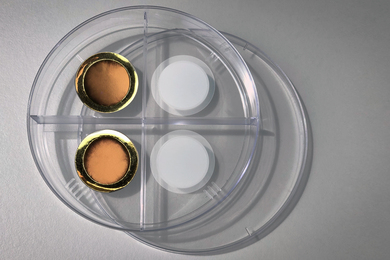
Electrically switchable system could continuously separate gases without the need for moving parts or wasted space.

The atmospheric chemist shared the Nobel Prize for the discovery that chemicals known as CFCs deplete the ozone layer.