
The uncertain role of natural gas in the transition to clean energy
MIT study finds that challenges in measuring and mitigating leakage of methane, a powerful greenhouse gas, prove pivotal.
MIT study finds that challenges in measuring and mitigating leakage of methane, a powerful greenhouse gas, prove pivotal.
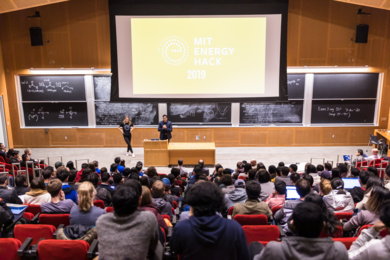
The 2019 MIT EnergyHack presented opportunities for students and companies to collaborate and solve problems facing the energy sector today.

Substituting lumber for materials such as cement and steel could cut building emissions and costs.

Circuit design offers a path to “spintronic” devices that use little electricity and generate practically no heat.
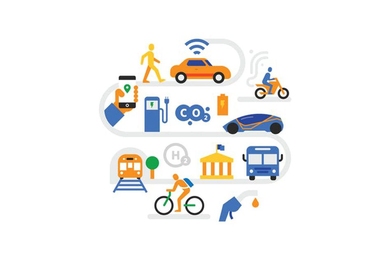
Technological innovations, policies, and behavioral changes will all be needed to reach Paris climate agreement targets.
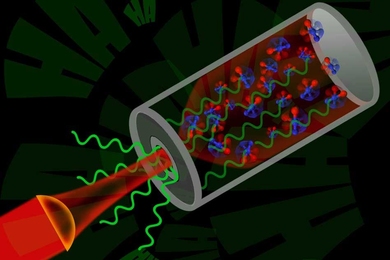
Device may enable “T-ray vision” and better wireless communication.

In overlooked spots on the map, MIT Professor Kate Brown examines the turbulence of the modern world.

Revamped version of MITx MOOC includes new modules on nuclear security, nuclear proliferation, and quantum engineering.

Studying a common material at room temperature, researchers bring quantum behavior “closer to our daily life.”
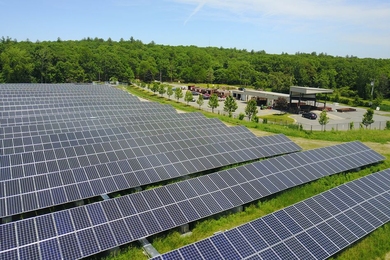
Solstice makes community solar projects more accessible for people unable to invest in rooftop panels.

New research looks at how environmental taxes can work for everyone, in Spain and beyond.

PhD student Elise Harrington studies the ways rural communities in Kenya and India learn about solar energy products and their options as consumers.
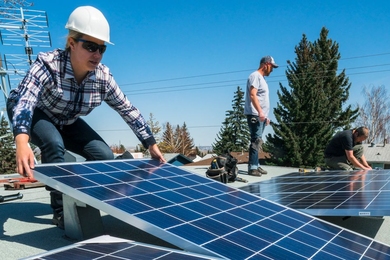
Research shows that, contrary to accepted rule of thumb, a 10- or 15-year lifetime can be good enough.
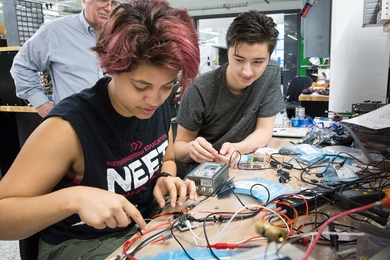
Students on UROP teams agree that teamwork speeds up the research.