
3 Questions: Hessam AzariJafari on mitigating climate change with reflective pavements
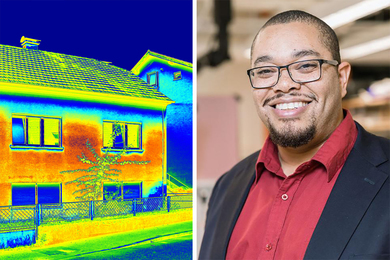
MIT postdoc explains how reflective pavements can significantly — and often indirectly — mitigate climate change and extreme heat.
MIT postdoc explains how reflective pavements can significantly — and often indirectly — mitigate climate change and extreme heat.
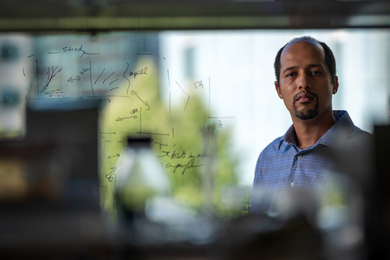
By developing electrochemical technologies, he hopes to help reduce reliance on fossil fuels.

Policymakers are hopeful that a Biden administration will encourage congressional action.
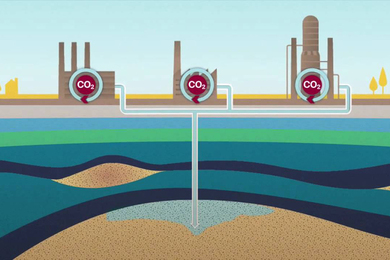
Carbon capture and storage are key to achieving climate goals.

New online tool lets students track key metrics on employers’ carbon footprints and encourages more engagement on sustainability issues.

An online symposium explores roles for research universities and outlines the Institute’s efforts to be a testbed for research and policy innovations.

Electrically switchable system could continuously separate gases without the need for moving parts or wasted space.

JTL Urban Mobility Lab researchers examine the effects of protecting user data privacy on the efficiency and service quality of ride-sharing applications.
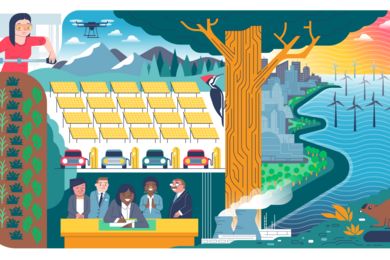
Website hosts an expanded suite of digital tools and resources to help people make sense of climate change.
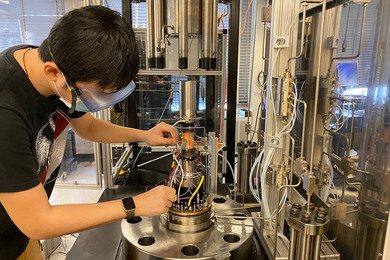
Asegun Henry, Paul Barton, and Matěj Peč will lead research supported by the MIT Energy Initiative's Carbon Capture, Utilization, and Storage Center.

Topics include Covid-19 and urban mobility, strategies for electric vehicle charging networks, and infrastructure and economics for hydrogen-fueled transportation.

Members of Wyoming’s government and public university met with MIT researchers to discuss climate-friendly economic growth.
“Our mission here is to save humanity from extinction due to climate change,” says MIT professor.

Multidisciplinary team uses metal organic frameworks to extract radioactive krypton from fuel-reprocessing gasses.

How energy-intensive economies can survive and thrive as the globe ramps up climate action.