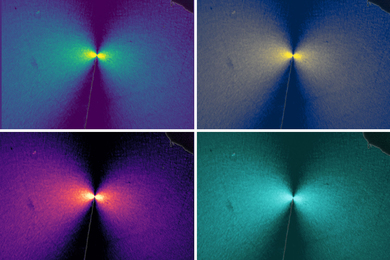
Why solid-state batteries keep short-circuiting
New insights into metallic cracks that harm battery performance could advance the longstanding quest to develop energy-dense solid-state batteries.
New insights into metallic cracks that harm battery performance could advance the longstanding quest to develop energy-dense solid-state batteries.
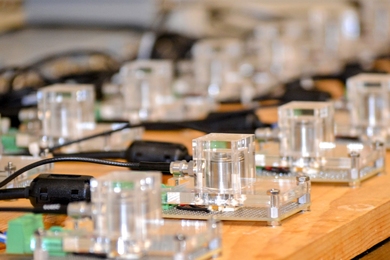
New findings could provide a way to monitor batteries for sounds that could guide manufacturing, indicate remaining usable life, or flag potential safety issues.
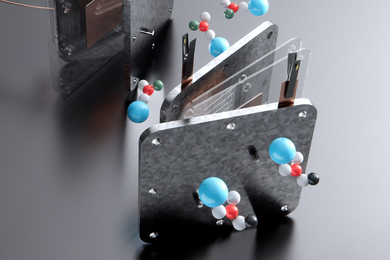
The approach directly converts the greenhouse gas into formate, a solid fuel that can be stored indefinitely and could be used to heat homes or power industries.
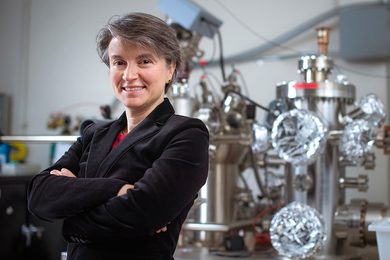
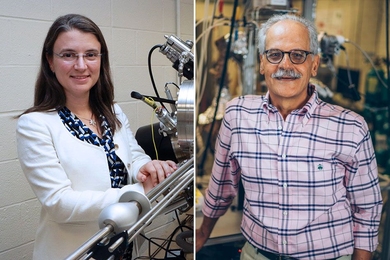
Award recognizes scientists of Turkish origin younger than 50 who have made outstanding contributions to their fields.
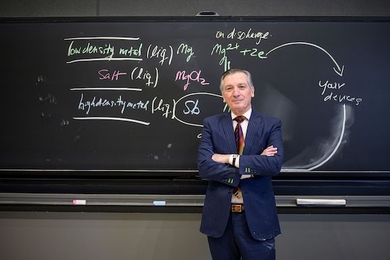
Professor Emeritus Donald Sadoway, renowned electrochemist and influential educator, reflects on 45 years at MIT.
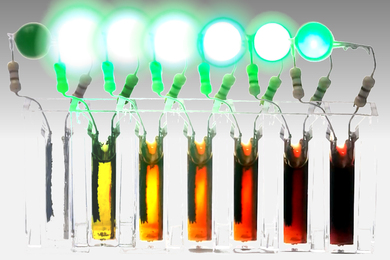
Pacemakers and other medical devices, as well as long-distance drones and remote sensors, could require fewer battery replacements with new approach.

Professor Betar Gallant approaches electrochemistry with a strong inclination, inherited from her family, to work things out independently.
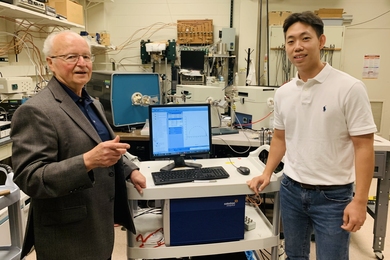
MIT researchers find that changing the pH of a system solves a decades-old problem.
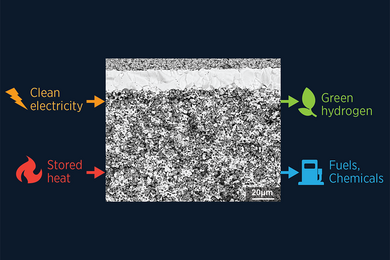
New technology could help generate hydrogen and chemical industry ingredients.

Professor Bilge Yildiz finds patterns in the behavior of ions across applications.

MIT researchers demonstrate a new electrochemical method to study thermodynamic processes in an ultra-high temperature molten oxide.
Winning teams will use grants to advance research in areas including fuel cells, solar-powered desalination, and impacts of electric vehicle charging on the power grid.
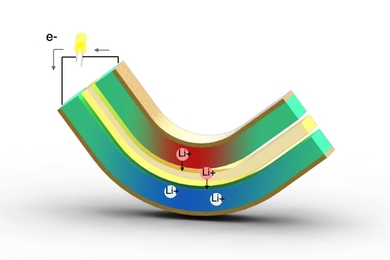
New device could provide electrical power source from walking and other ambient motions.
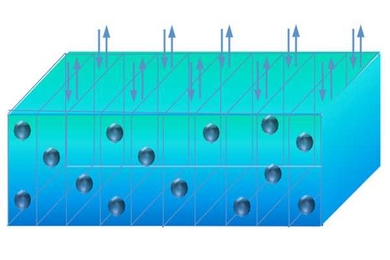
An exotic state of matter — a “random solid solution” — affects how ions move through battery material.
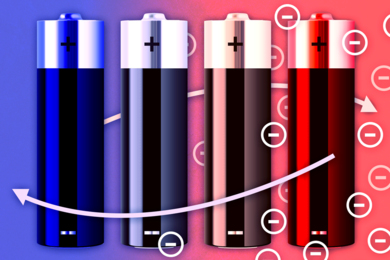
Electrochemical approach has potential to efficiently turn low-grade heat to electricity.