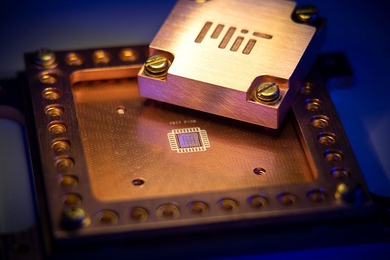
Uncovering the hidden “noise” that can kill qubits
New detection tool could be used to make quantum computers robust against unwanted environmental disturbances.
Download RSS feed: News Articles / In the Media / Audio
New detection tool could be used to make quantum computers robust against unwanted environmental disturbances.
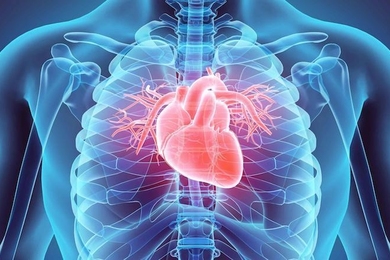
CSAIL system uses a patient's ECG signal to estimate potential for cardiovascular death.
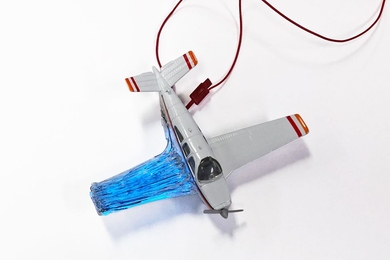
Filaments with embedded circuitry can be used to print complex shapes for biomedical and robotic devices.
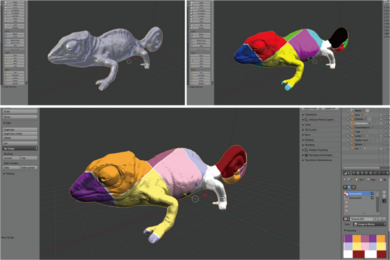
Computer Science and Artificial Intelligence Laboratory team creates new reprogrammable ink that lets objects change colors using light.
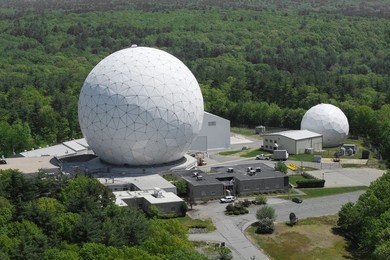
Nearly 30 MIT-affiliated researchers will share in the prize, while David Jay Julius ’77 wins Breakthrough Prize in Life Sciences; assistant professor of physics Max Metlitski shares New Horizons prize with Xie Chen PhD ’12 and Michael Levin PhD ’06.

New capabilities allow “roboats” to change configurations to form pop-up bridges, stages, and other structures.
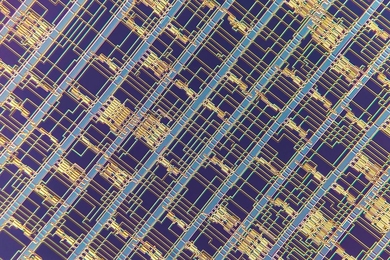
New approach harnesses the same fabrication processes used for silicon chips, offers key advance toward next-generation computers.
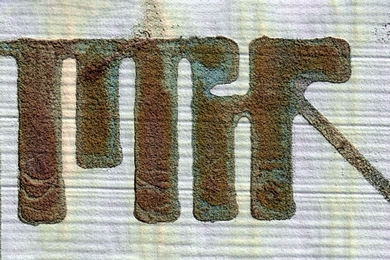
Low-cost “piezoelectric” films produce voltage, could be used for flexible electronic components and more.

MIT team places first among U.S. universities at 2019 SpaceX Hyperloop Pod Competition.
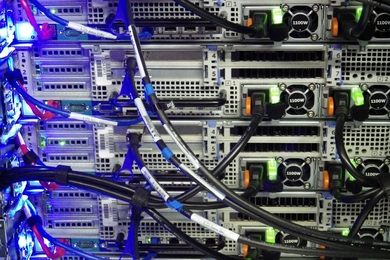
Nearly $12 million machine will let MIT researchers run more ambitious AI models.
New technique could help doctors determine whether patients are at risk from elevated pressure.
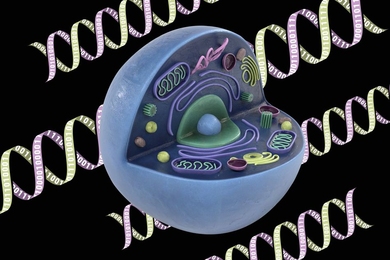
Engineers program human and bacterial cells to keep a record of complex molecular events.
MIT system “learns” how to optimally allocate workloads across thousands of servers to cut costs, save energy.

Submerged system uses the vibration of “piezoelectric” materials to generate power and send and receive data.
“Risk-aware” traffic engineering could help service providers such as Microsoft, Amazon, and Google better utilize network infrastructure.