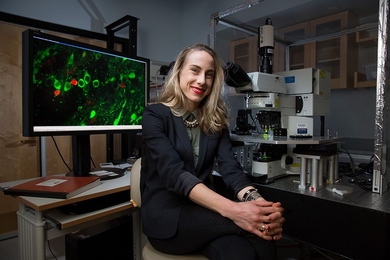
Seeking materials that match the brain
Polina Anikeeva explores ways to make neural probes that are compatible with delicate biological tissues.
Polina Anikeeva explores ways to make neural probes that are compatible with delicate biological tissues.
New members have made advances in the development of plasticity, novel genetic evolution methods, systems modeling, and clean energy.
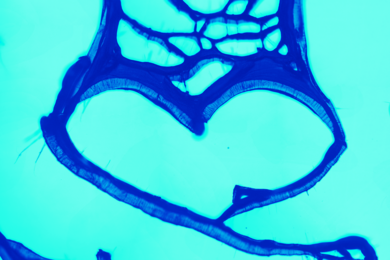
MIT researchers create predictable patterns from unpredictable carbon nanotubes.

Assistant professor in EECS is developing materials with novel structures and useful applications, including renewable energy and information storage.
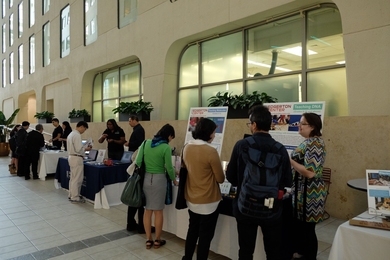
Funding is available to MIT faculty to support educational innovations in pre-K-12, Higher Education, and Workplace Learning.

Prize recognizes contributions to biomedical research made by immigrant scientists.
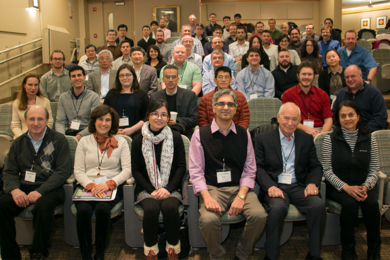
AIM Photonics Academy winter session draws over 60 participants from industry and academia.
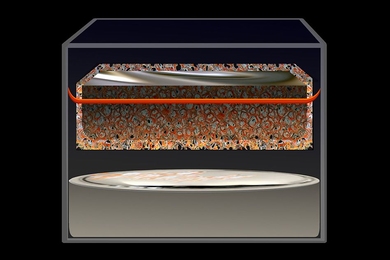
New metal-mesh membrane could solve longstanding problems and lead to inexpensive power storage.
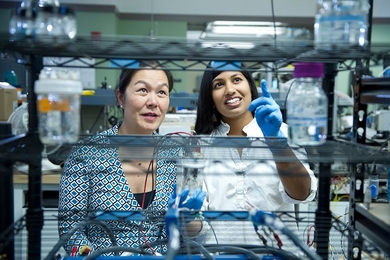
New model measures characteristics of carbon nanotube structures for energy storage and water desalination applications.
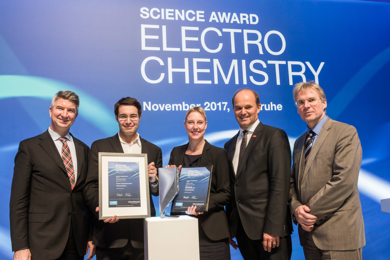
Assistant professor is honored for her work on energy storage systems and safer, solid-state lithium electrolyte batteries.
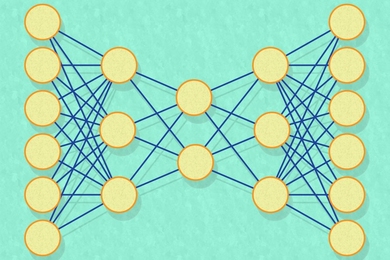
Machine-learning system finds patterns in materials “recipes,” even when training data is lacking.
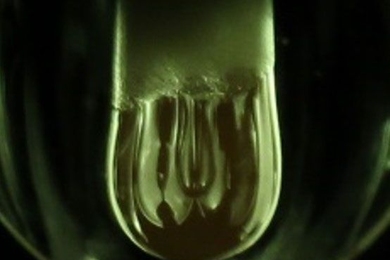
MIT researchers demonstrate a new electrochemical method to study thermodynamic processes in an ultra-high temperature molten oxide.
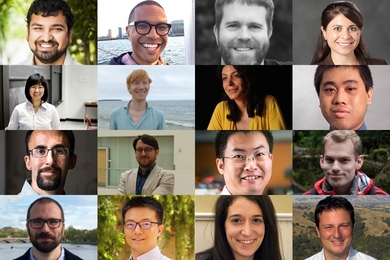
Sixteen new professors join seven of the school’s departments.

Scholars will engage in a year of postgraduate leadership studies at Beijing’s Tshingua University.

Recent Stonehill College meeting puts laser focus on plan to grow and enhance regional integrated photonics education and training.