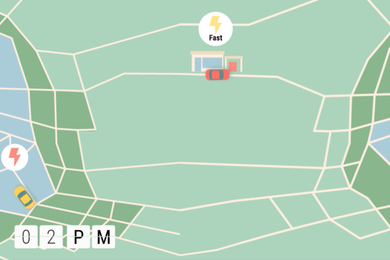
How to get more electric cars on the road
Study measures which kinds of infrastructure improvements could lead to wider adoption of clean vehicles.
Study measures which kinds of infrastructure improvements could lead to wider adoption of clean vehicles.
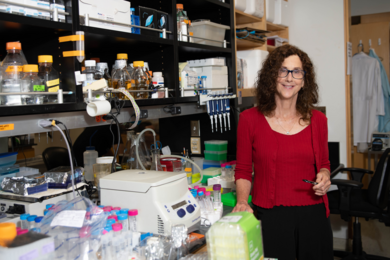
Structural biologist Pamela Björkman shared insights into pandemic viruses as part of the Department of Biology’s IAP seminar series.

Facility within MIT.nano offers equipment and capabilities for visualizing data, creating immersive environments.
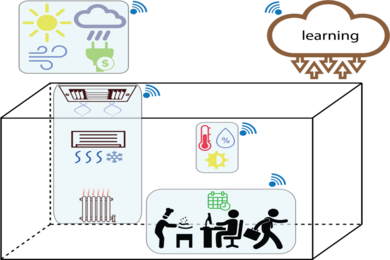
A smart thermostat quickly learns to optimize building microclimates for both energy consumption and user preference.
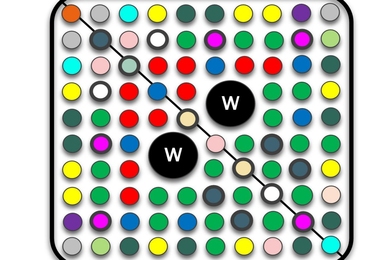
Researchers show that deep reinforcement learning can be used to design more efficient nuclear reactors.

A new deep-learning algorithm could provide advanced notice when systems — from satellites to data centers — are falling out of whack.

A new web-friendly modeling tool helps organizations build tailored Covid-19 testing strategies that can save money and reduce coronavirus spread.

Undergraduate in electrical engineering and computer science contributes to startling new astronomy research.
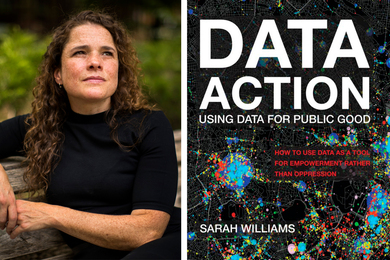
In a new book, “Data Action,” Associate Professor Sarah Williams issues a call for thinking ethically about data today.

MIT is among nine universities selected as part of a program sponsored by the DoE to support science-based modeling and simulation and exascale computing technologies.

Analysis points to ways engineering strategies could be reimagined to minimize delays and other unanticipated expenses.

Graduate student Manon Revel uses quantitative methodologies to investigate how advertising in online publications affects trust in journalism.

Eaman Jahani examines how resources are distributed across networks as a social and engineering systems PhD student at the Institute for Data, Systems, and Society.
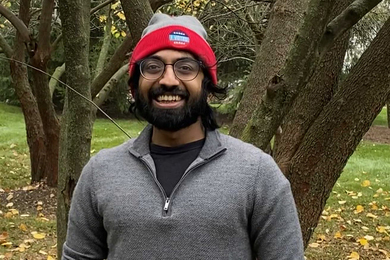
Graduate student Ashwin Narayan takes off the fall semester to work on an election information database.
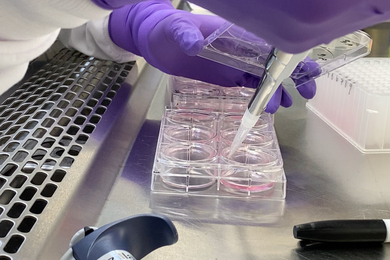
Immuneering uses bioinformatics to develop new medicines while also helping large pharmaceutical companies improve their treatments.