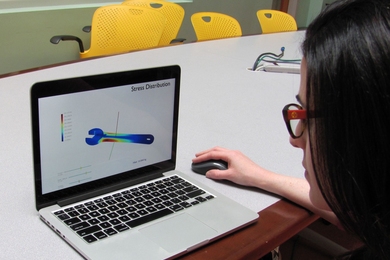
Reshaping computer-aided design
CSAIL’s InstantCAD allows manufacturers to simulate, optimize CAD designs in real-time.
CSAIL’s InstantCAD allows manufacturers to simulate, optimize CAD designs in real-time.

Results may help surgeons determine when and how to treat heart attacks.

Method for modeling neural networks’ power consumption could help make the systems portable.

More than 1,600 professionals have completed the Architecture and Systems Engineering course series developed by MIT in collaboration with Boeing and edX.

Machine learning approach could aid the design of industrial processes for drug manufacturing.

New algorithm generates practical paper-folding patterns to produce any 3-D structure.
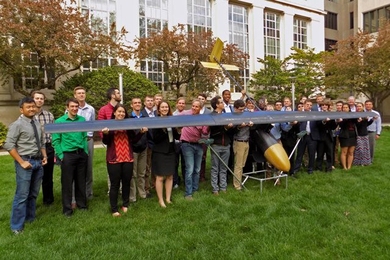
New design could provide communication support in disaster zones.
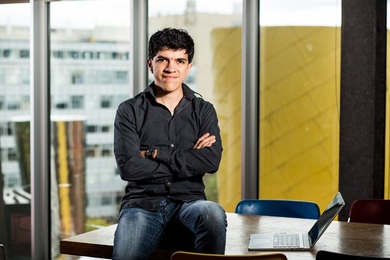
Initially turned down by nearly every college he applied to, the computer scientist cleared his own path to MIT.

Youssef Marzouk aims to improve predictions of everything from underground pollution to daily weather.
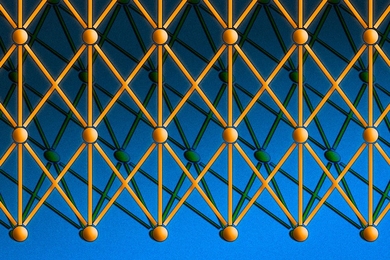
Ballyhooed artificial-intelligence technique known as “deep learning” revives 70-year-old idea.

New approach speeds up testing of traffic management solutions for data center networks.
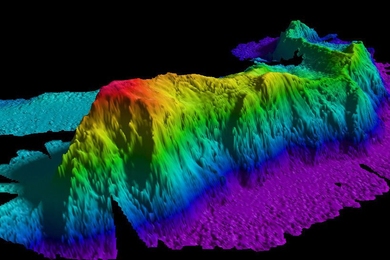
Turbulence from seafloor topography may explain longstanding question about ocean circulation.

Study suggests computational role for neurons that prevent other neurons from firing.

New technique predicts frequency of heavy precipitation with global warming.

The inventor of an early form of RAM had an outsized influence on organizational dynamics, supply chains, and sustainability.