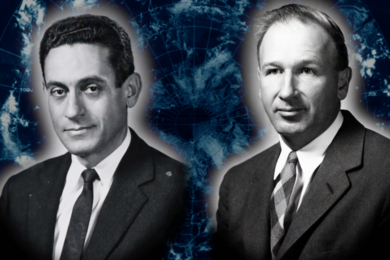
Featured video: MIT's meteorology pioneers
Department of Earth, Atmospheric and Planetary Sciences honors trailblazing professors Jule Charney and Edward Lorenz with a tribute to their lives and legacies.
Department of Earth, Atmospheric and Planetary Sciences honors trailblazing professors Jule Charney and Edward Lorenz with a tribute to their lives and legacies.
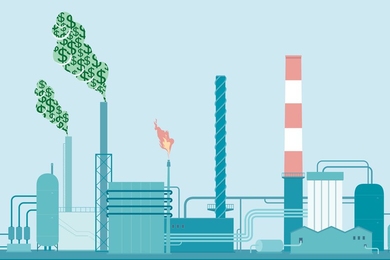
Several different carbon-pricing approaches would help reduce emissions, and some would be fair as well, researchers report.

The way streets and buildings are arranged makes a big difference in how heat builds up, study shows.
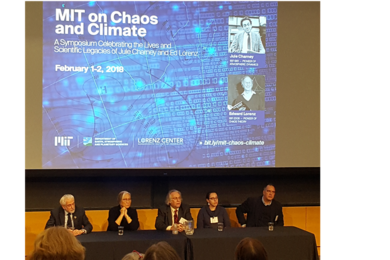
Trailblazing scientists Jule Charney and Edward Lorenz gave us numerical weather prediction and chaos theory, highlighting the value of basic research.
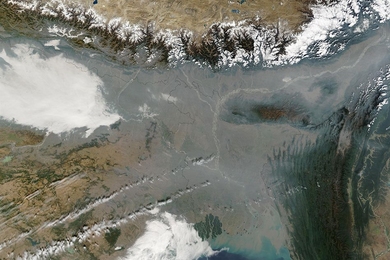
Joint Program researchers advocate for improved modeling approach.
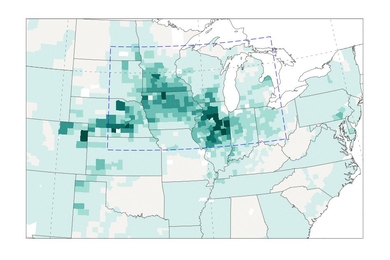
An increase in corn and soybean production in the Midwest may have led to cooler, wetter summers there.
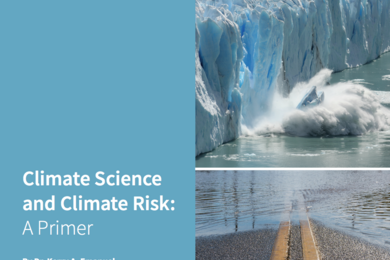
MIT Professor Kerry Emanuel explains the science behind climate change, as well as the associated risks and how to quantify them.
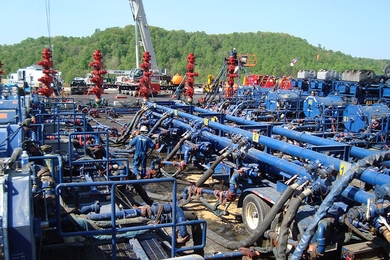
New analytical method addressing the dynamic nature of the petroleum industry could enable more accurate energy scenarios.
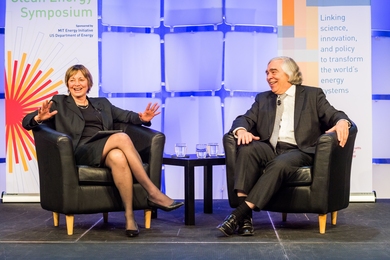
In the face of global challenges, leading women in energy and climate convene at the C3E 2017 Clean Energy Symposium.
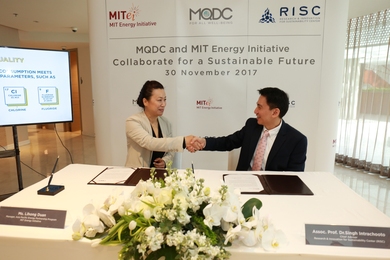
Bangkok-based property developer MQDC is joining the MIT Energy Initiative’s Low-Carbon Energy Center for Electric Power Systems Research.
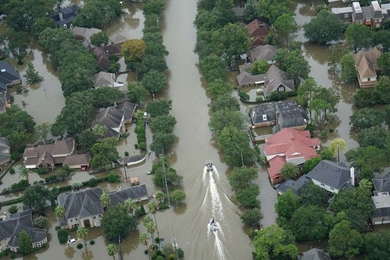
Study finds state’s annual risk of extreme rainfall will rise from 1 to 18 percent.
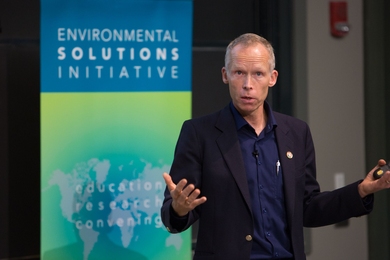
Stockholm Resilience Center executive director and Stockholm University professor speaks at the Environmental Solutions Initiative’s People and the Planet lecture series.
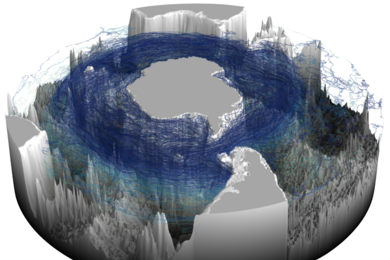
Research reveals the upwelling pathways and timescales of deep, overturning waters in the Southern Ocean.

Method may help predict hotspots of instability affecting climate, aircraft performance, and ocean circulation.
Via social media, residents can contribute to public map that increases safety and helps response planning.