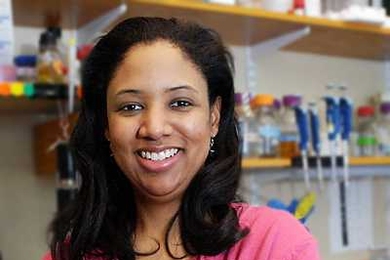
Love named one of Popular Science magazine’s 'Brilliant 10'
Assistant professor honored for immunology work.
Assistant professor honored for immunology work.
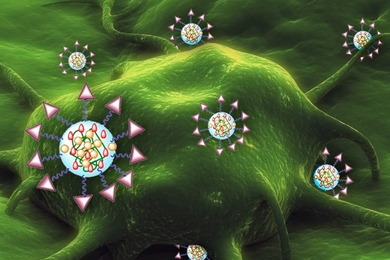
Particles can deliver a combination of chemotherapy drugs directly to prostate-cancer cells.
Institute Professor cited for inventions, development
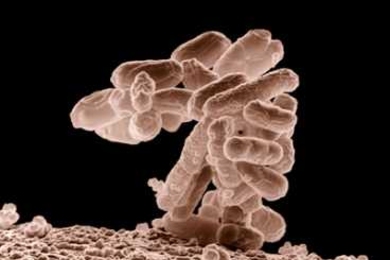
Researchers engineer microbes for low-cost production of precursor of anticancer drug Taxol and other pharmaceuticals.

MIT alumnus Steven E. Koonin, DoE under secretary for science, says economics, not technology, is the driver.
MIT biological engineers have found a way to convert carbon-dioxide emissions to useful building materials, using genetically altered yeast.
MIT chemical engineers demonstrate a new way to dramatically boost bacteria’s manufacturing abilities.
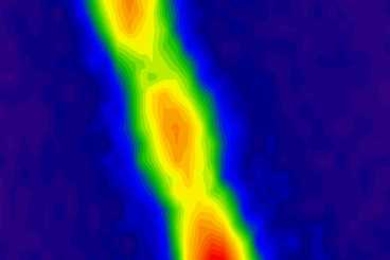
New antenna made of carbon nanotubes could make photovoltaic cells more efficient by concentrating solar energy.
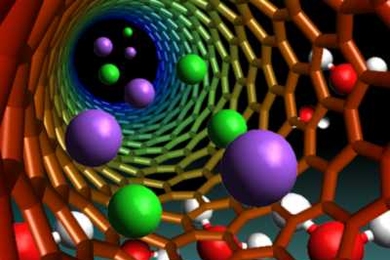
The tiny, multitalented carbon tubes can carry single molecules, one at a time.

New self-assembling photovoltaic technology can keep repairing itself to avoid any loss in performance.
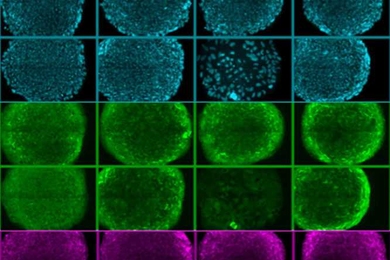
New synthetic surfaces overcome challenges posed by existing methods for cultivating stem cells.

Among 150 students nationwide awarded fellowships in program's first year
Heller, of chemical engineering, named among 18 fellows
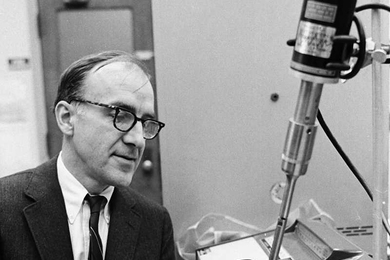
MIT chemical engineer Edward Merrill helped steer his field toward biomedicine.