
Ritu Raman named L’Oréal Women in Science Fellow
Postdoc in the Langer Lab is honored for her contributions to the advancement of STEM fields and for her support of women and girls in science.
Postdoc in the Langer Lab is honored for her contributions to the advancement of STEM fields and for her support of women and girls in science.

Ahrens, Rathbun, Silmore, and Wei are recognized for tackling complex science and engineering problems of national importance.
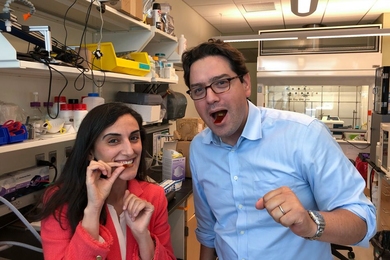
Ingestible devices could diagnose gastrointestinal slowdown or monitor food intake.
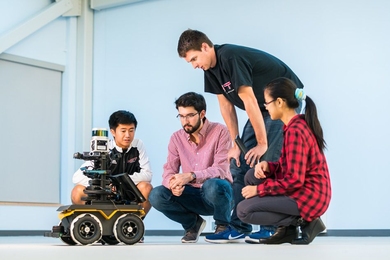
NEET pilot initiative centers around interdisciplinary projects to prepare students for the practice of engineering.

Professor Paula Hammond talks with MIT Corporation life member about her experiences as an MIT student, research scientist, and university president.
![“[Glucose-responsive insulin] has been a longstanding goal of the diabetes field,” says professor Michael Strano. “If done correctly, you could make it so that diabetics could take an occasional dose and never have to worry about their blood sugar.”](/sites/default/files/styles/term_page__news_article/public/images/201709/MIT-Glucose-Insulin.jpg?itok=DxQhQ2rC)
Engineered insulin that can be activated by high blood sugar could improve diabetics’ quality of life.

MIT researchers supported by J-WAFS present results of their work on food and water security.

New technique could make it easier to use mRNA to treat disease or deliver vaccines.

Chemical engineering professor plumbs “vast regions of chemical space.”
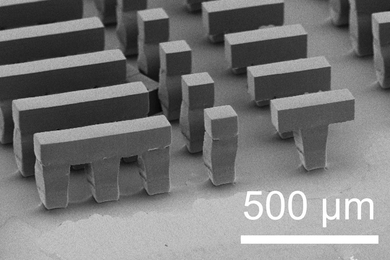
Microparticles created by new 3-D fabrication method could release drugs or vaccines long after injection.

Colorado forest study provides clearest-ever picture of gases released into the atmosphere and how they change.
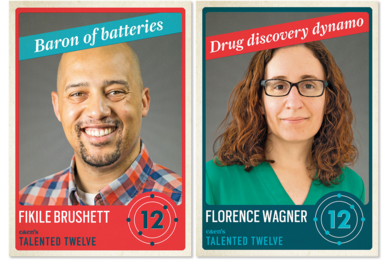
MIT affiliates recognized for their innovative approaches to energy storage and drug discovery.
Chemical engineer seeks to develop and understand materials that behave in radically new ways.
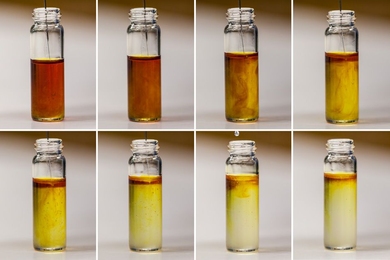
Study explains conflicting results from other experiments, may lead to batteries with more energy per pound.
Hydrogel-based capsules could expand and reside in the GI tract for days, slowly releasing medication.