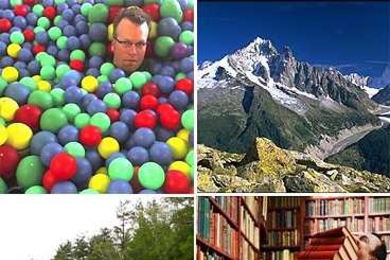
What makes an image memorable?
Hint: We tend to remember pictures of people much better than wide open spaces.
Hint: We tend to remember pictures of people much better than wide open spaces.
New algorithm offers ability to influence systems such as living cells or social networks.
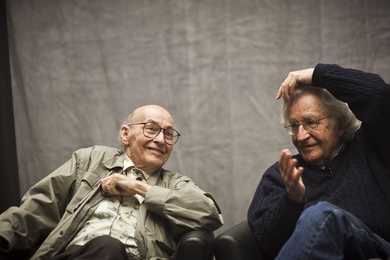
Final installment of MIT’s 150th anniversary symposia explores intelligence — both human and artificial.
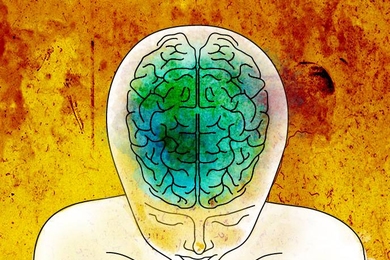
MIT and Harvard neuroscientists explain why the practice helps tune out distractions and relieve pain.
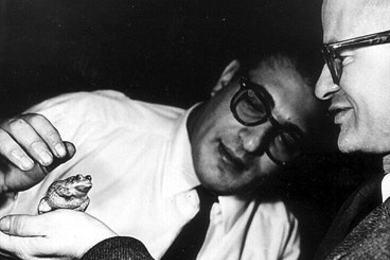
Dynamic cognitive scientist made key contributions to neurophysiology and vision science.

Study of blind children in India helps answer a 300-year-old philosophical question.
Mice with a particular gene mutation avoid interacting with other mice and show compulsive, repetitive behavior.
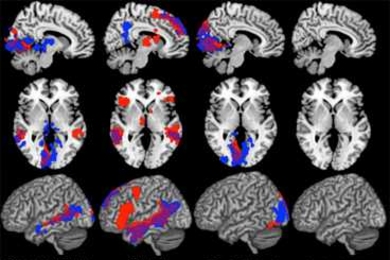
In people born blind, brain regions that usually process vision can tackle language.

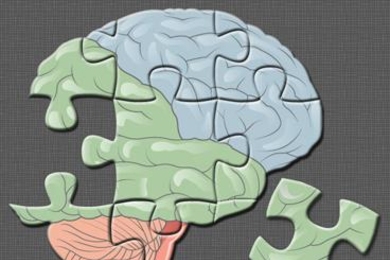
Neuroscientists find evidence that autistic patients have trouble understanding other people’s intentions.
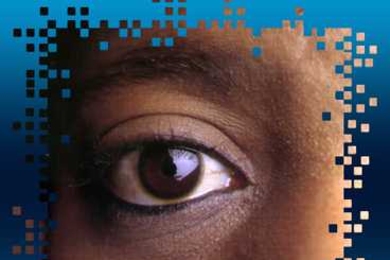
New mathematical model of information processing in the brain accurately predicts some of the peculiarities of human vision.
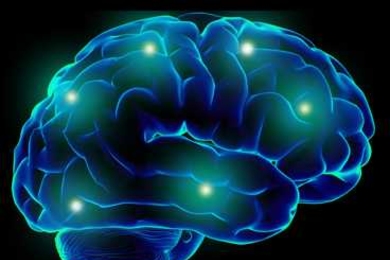
Neuroscientists’ new technique can stimulate brain cells, then reveal how those neurons influence the rest of the brain.
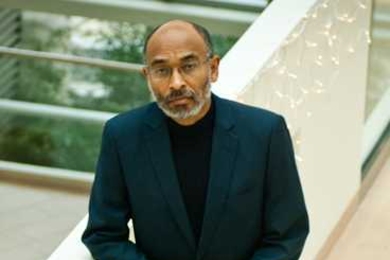
Neuroscientist Emery Brown hopes to shed light on a longstanding medical mystery: how general anesthesia works.