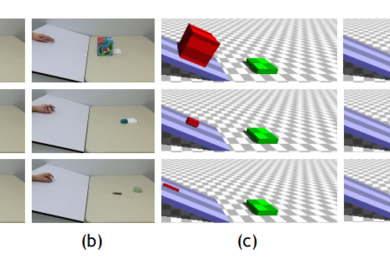
Computer model matches humans at predicting how objects move
“3-D physics engine” from the Computer Science and Artificial Intelligence Laboratory simulates the human brain to infer physical properties.
Machines that learn like people
Algorithms could learn to recognize objects from a few examples, not millions; may better model human cognition.
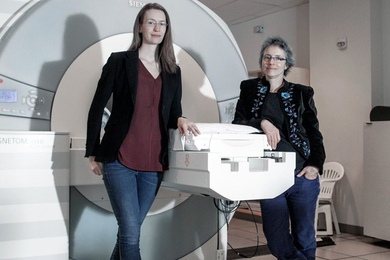
Study finds altered brain chemistry in people with autism
Neuroscientists link autism to reduced activity of key neurotransmitter in human brain.
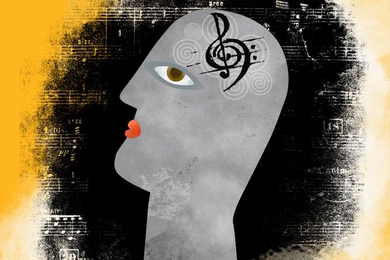
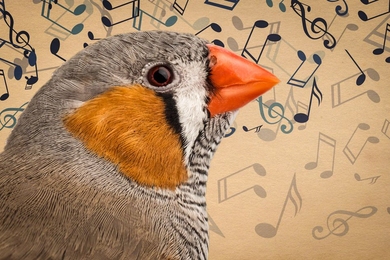
Music in the brain
For the first time, scientists identify a neural population highly selective for music.
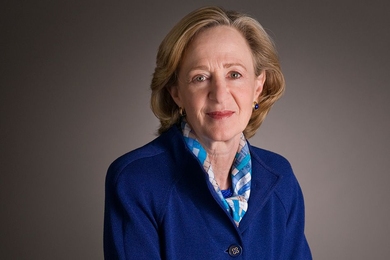
Susan Hockfield chosen to serve as AAAS president-elect
Former MIT president to begin three-year term on AAAS Board of Directors in February.
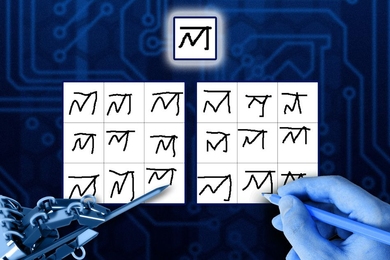
How one gene contributes to two diseases
Neuroscientists unravel Shank3 gene’s role in autism and schizophrenia.
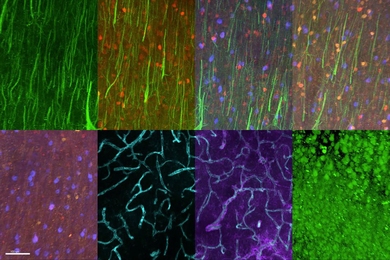
Protein imaging reveals detailed brain architecture
New technique could contribute to efforts to map the human brain.
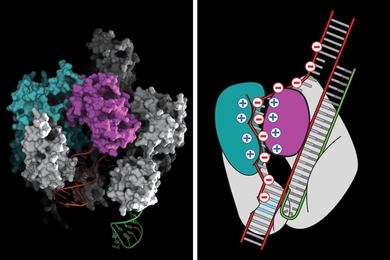
MIT, Broad scientists overcome key CRISPR-Cas9 genome editing hurdle
Team re-engineers system to dramatically cut down on editing errors; improvements advance future human applications.
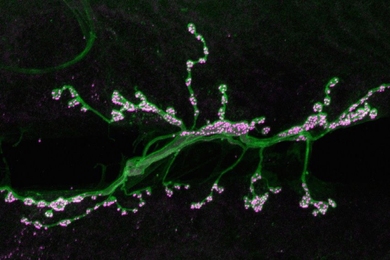
Neuroscientists reveal how the brain can enhance connections
Newly identified mechanism allows the brain to strengthen links between neurons.
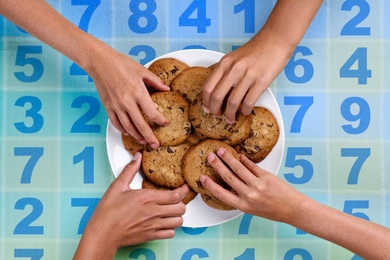
What counts as fair?
Neuroscientists find that children’s ability to count is key to distributing resources based on merit.