Featured video: #AskMIT — Using your full brain
Kids ask tough questions; MIT students, staff, and faculty answer. This episode of "#AskMIT" describes how much of our brains we really use.
Kids ask tough questions; MIT students, staff, and faculty answer. This episode of "#AskMIT" describes how much of our brains we really use.
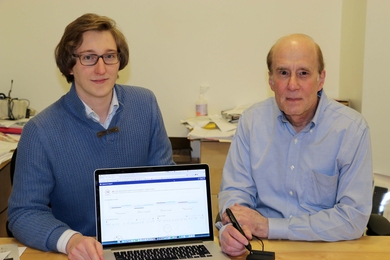
Digital pen plus speedy data analysis developed at MIT and tested at Lahey Hospital improves a classic test that helps detect cognitive impairment.
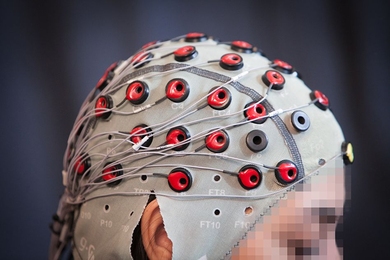
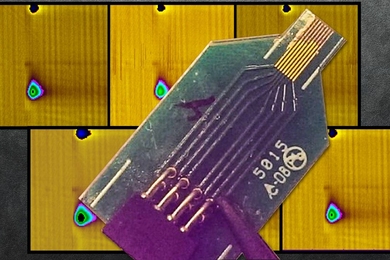
New sensor could reveal the neurotransmitter’s role in learning and habit formation.
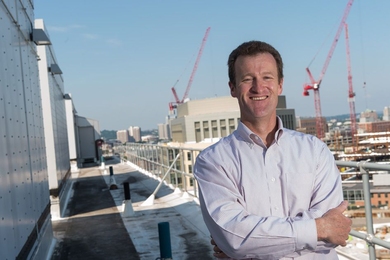
Charles Jennings of MIT’s McGovern Institute discusses the intellectual property dispute over the gene-editing technique.

Three-in-one design allows genetic, chemical, optical, and electrical inputs and outputs.
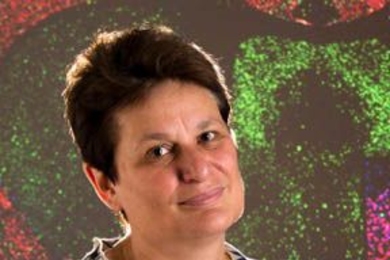
Neurobiologist honored for her work on how pheromones control brain function and behavior.

A $20 million gift from Lisa Yang and Hock Tan ’75 SM ’75 will catalyze multidisciplinary autism research.
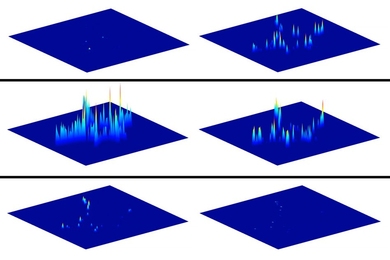
New technology could help neuroscientists understand how dopamine influences brain activity.
Research Scholars Program in Brain and Cognitive Sciences brings talented students to the department.
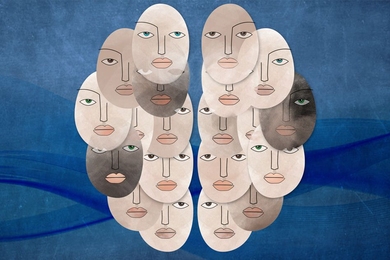
MIT scholars produce new method of harvesting correct answers from groups.
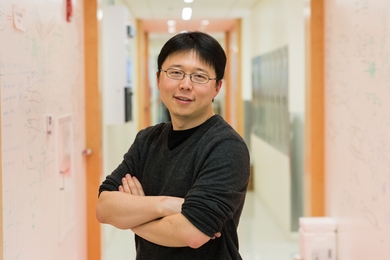
CRISPR pioneer named to inaugural chair created by Patricia and James Poitras '63, founders of MIT’s Poitras Center for Affective Disorders Research.
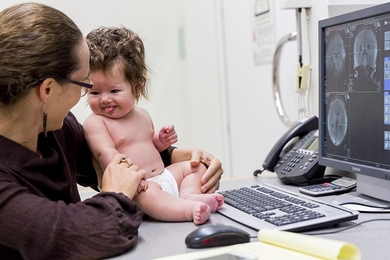
MRI scans reveal surprising similarities in activity patterns of infant and adult visual cortex.
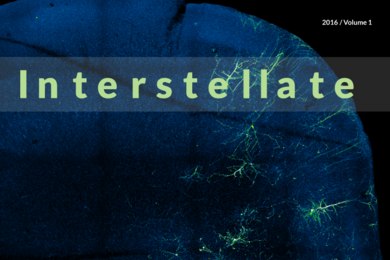
Caitlin Vander Weele, a graduate student in brain and cognitive sciences, launches a collaborative neuro-art pictorial magazine.
Study suggests computational role for neurons that prevent other neurons from firing.