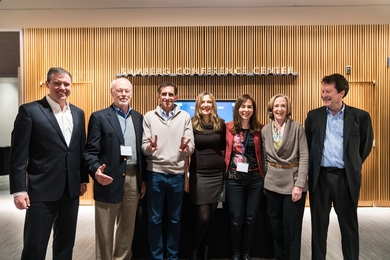
Pioneering digital collaborations
MIT hosts a summit on transformative artificial intelligence technologies in biomedical sciences and health care.
MIT hosts a summit on transformative artificial intelligence technologies in biomedical sciences and health care.
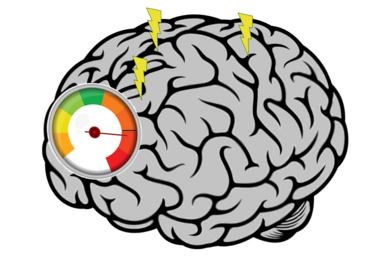
Picower Institute study explains what happens when working memory reaches its full capacity.
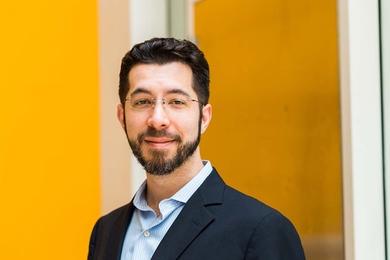
MIT scientist is among three recognized for the discovery of optogenetics.
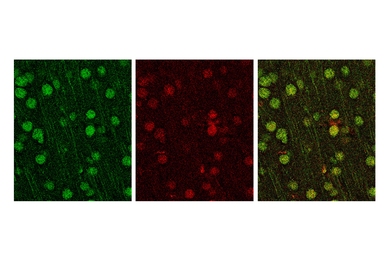
Study finds that major vault protein is needed for homeostatic plasticity.
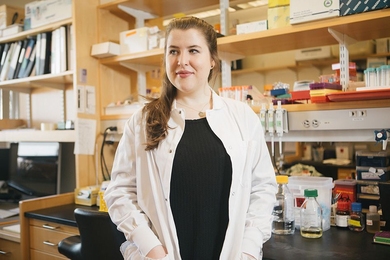
Senior Isabella Pecorari is building supportive communities at MIT and beyond.
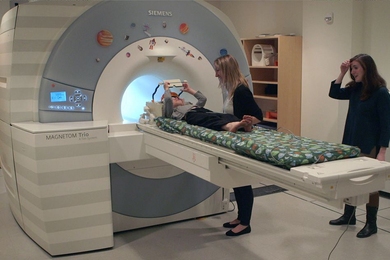
Children as young as 3 have brain network devoted to interpreting thoughts of other people.

Reach Every Reader aims to end early literacy crisis.
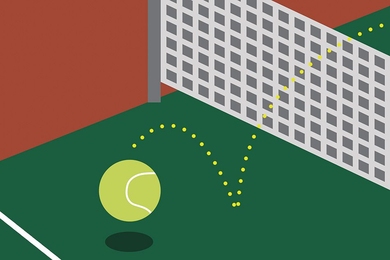
Timing and speed are both important for making accurate estimates of how an object will travel.
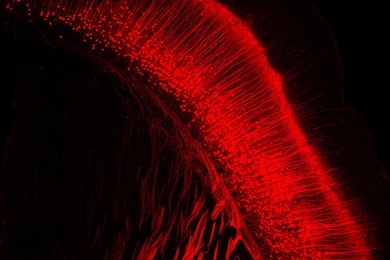
New technique is nontoxic to cells, should allow scientists to study neuron function for months or years instead of weeks.
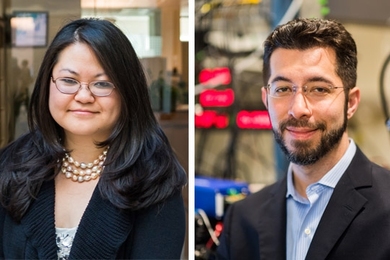
Neuroengineering leader appointed to new professorship at the McGovern Institute for Brain Research.
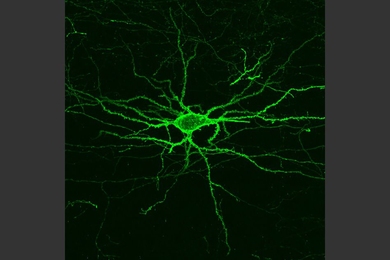
Fluorescent sensor allows imaging of neurons' electrical communications, without electrodes.
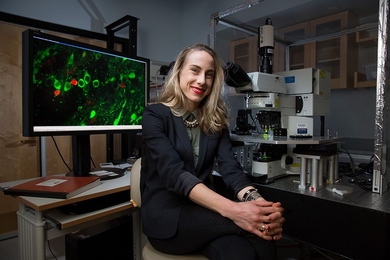
Polina Anikeeva explores ways to make neural probes that are compatible with delicate biological tissues.
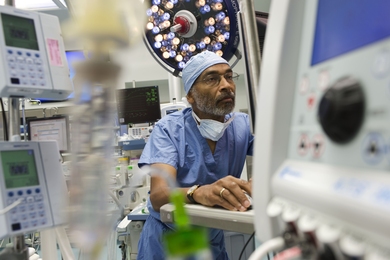
Emery N. Brown explains how statistics and neuroscience improve anesthesiology at the American Association for the Advancement of Science's annual meeting.
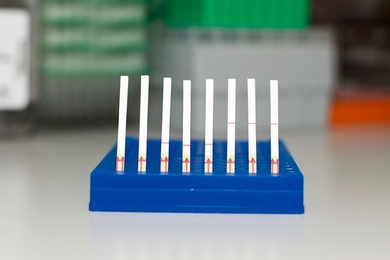
With SHERLOCK, a strip of paper can now indicate presence of pathogens, tumor DNA, or any genetic signature of interest.
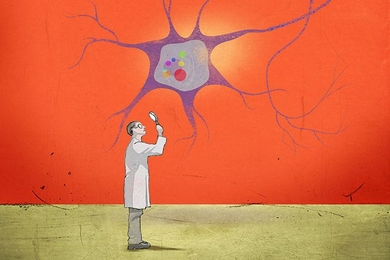
Whitehead Institute researchers are using a modified CRISPR/Cas9-guided activation strategy to investigate the most frequent cause of intellectual disability in males.