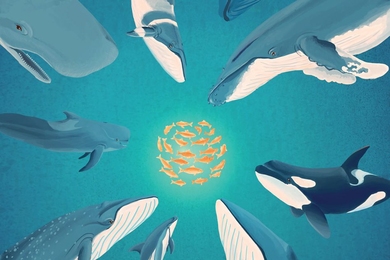
Whales dine with their own kind
Mapping whale calls, researchers find the predators feed in species-specific hotspots.
Mapping whale calls, researchers find the predators feed in species-specific hotspots.
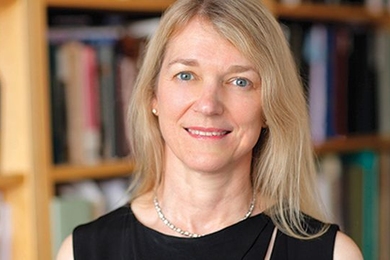
Bargmann honored for her work on the genetic and neural mechanisms that control behavior in the nematode C. elegans.

MIT's Institute of Medical Engineering and Science is on the front lines of efforts to diagnose and develop a vaccine against the emerging Zika virus.
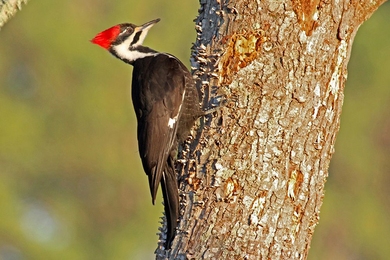
Videos hosted by Professor Lorna Gibson bring an engineering approach to birding.
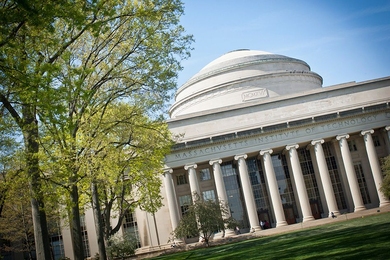
Faculty from eight MIT science and engineering departments among 126 selected from across the U.S. and Canada.
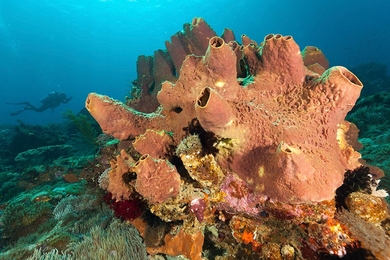
Sponges may be source of molecular fossils that significantly predate Cambrian explosion.
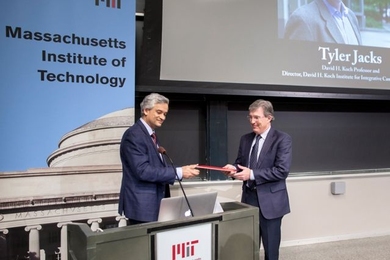
Killian Award recipient Tyler Jacks fosters interdisciplinary, innovative cancer research.

MIT senior and chemistry major will pursue graduate studies in the U.K.

Professor and director of the Broad Institute honored by the American Association for the Advancement of Science for outstanding contributions to science and society.
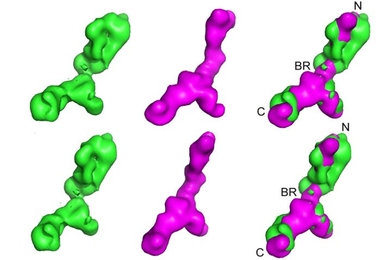
Protein that gives blood vessels and skin their stretchability has its molecular properties revealed.
Startup develops more cost-effective test for assessing how cells respond to chemicals.

Systematically searching DNA for regulatory elements indicates limits of previous thinking.