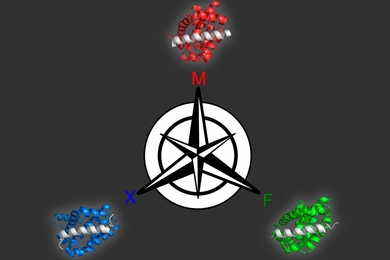
Computer model offers more control over protein design
New approach generates a wider variety of protein sequences optimized to bind to drug targets.
New approach generates a wider variety of protein sequences optimized to bind to drug targets.
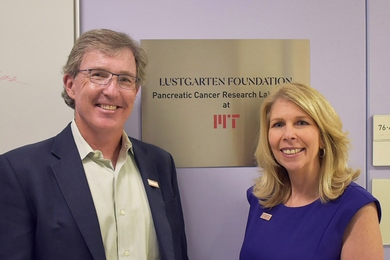
Lustgarten Foundation names MIT laboratory to improve understanding and treatment of a deadly disease
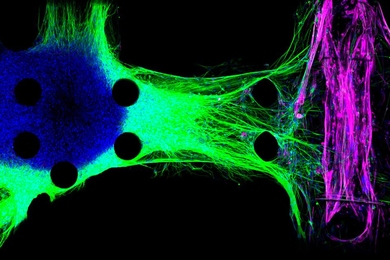
3-D tissue model replicates the motor neuron connections affected by amyotrophic lateral sclerosis.
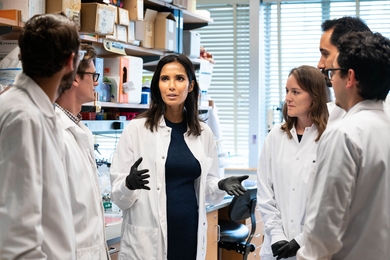
Women’s health advocate, Top Chef host and executive producer, and MIT visiting scholar Padma Lakshmi tours campus, speaks on endometriosis.
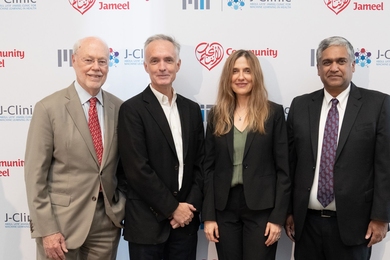
MacArthur “geniuses” in machine learning and synthetic biology to serve as faculty co-leads; Nobel laureate to chair advisory board of new research center.
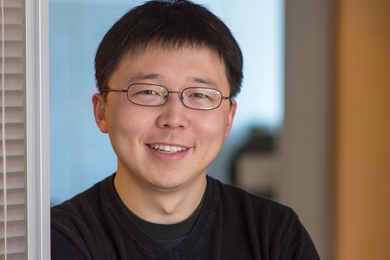
McGovern Institute scientist is recognized with award for outstanding and creative achievements made in the life and medical sciences.
![“If you have a problem, and you look into the problem in nature and see how animals or plants deal with these kinds of problems and extract those design principles, you can try to replicate [them] using engineering approaches,” saysZijay Tang, a PhD candidate in MIT’s Department of Biological Engineering.](/sites/default/files/styles/term_page__news_article/public/images/201809/MIT-Tang-01.jpg?itok=cCVJRVTZ)
PhD student Zijay Tang is developing a living material that can sense and filter water contaminants.
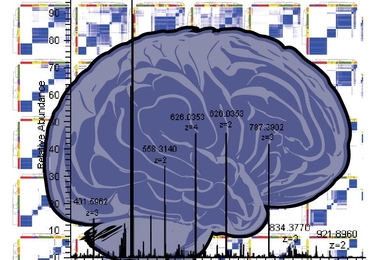
Research team shows the power of proteomics to discover new drug targets and help develop therapeutic strategies with fewer long-term side effects.
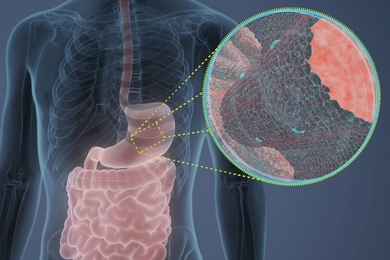
Screen of human proteins reveals some with antimicrobial power.

Using freeze-dried, shelf-stable cellular components, students can learn about key biological concepts.

Faculty members recognized for excellence via a diverse array of honors, grants, and prizes over the last quarter.
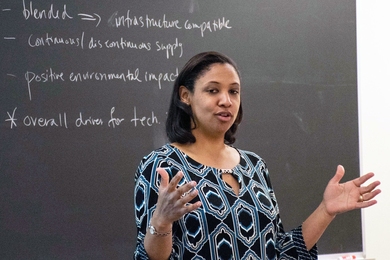
Associate professor of chemical engineering talks about the future of biochemistry and the next generation of scientists and engineers.
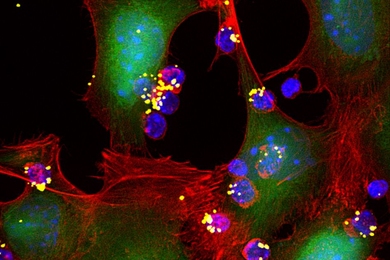
Drugs carried in cellular “backpacks” help T cells to destroy tumors.
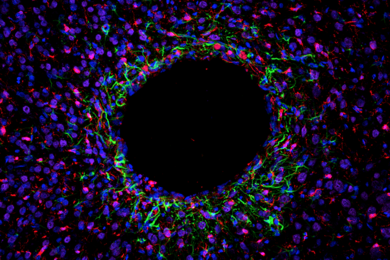
MIT researchers develop new tools to enable targeted delivery of drugs to deep brain structures through implanted microprobes.
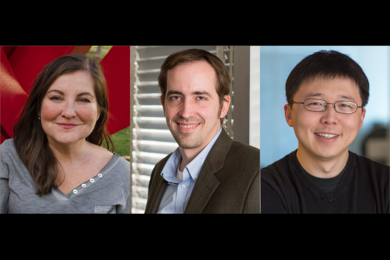
Three MIT faculty members selected for funding from the G. Harold and Leila Y. Mathers Foundation.