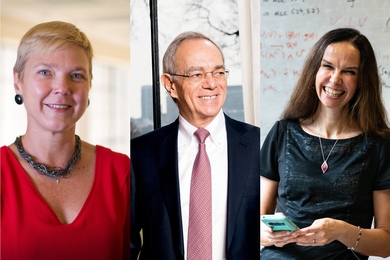
Three at MIT named 2018 fellows of the National Academy of Inventors
MIT president and two engineering faculty recognized for contributions with tangible impacts on quality of life, economic development, and the welfare of society.
MIT president and two engineering faculty recognized for contributions with tangible impacts on quality of life, economic development, and the welfare of society.
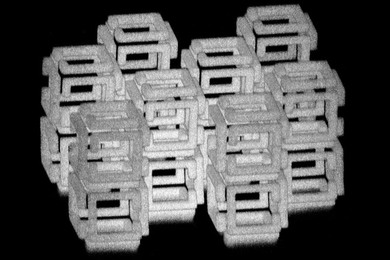
It’s not quite the Ant-Man suit, but the system produces 3-D structures one thousandth the size of the originals.
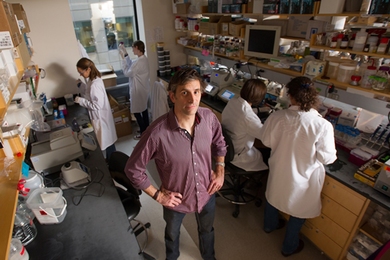
“A diet or treatment of the microbiome may lead to increased diversity, but that does not mean it's better or healthier for you,” says the engineering professor.
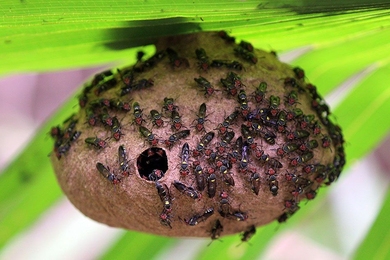
Altered peptides from a South American wasp’s venom can kill bacteria but are nontoxic to human cells.

Together, cell growth rate and gene expression shed light on why some tumor cells survive treatment.
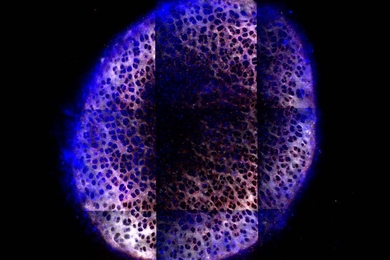
Injectable material made of nanoscale particles can deliver arthritis drugs throughout cartilage.

MIT students from the fields of bioengineering, business, computer science, and energy science receive the prestigious awards.
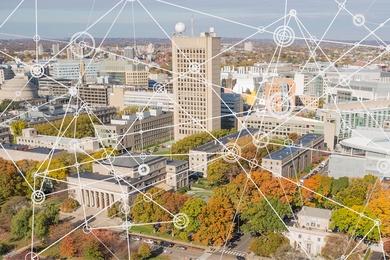
The School of Engineering’s faculty leadership weigh in on what the MIT Stephen A. Schwarzman College of Computing will mean for their students and faculty.

Startup SQZ Biotech aims to open a new path in immunotherapy with its cell-compressing technique.
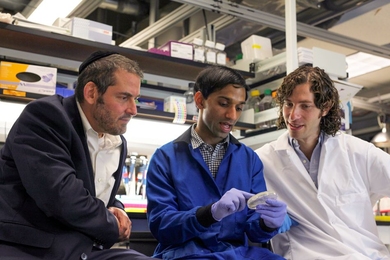
Enzyme can target almost half of the genome’s “ZIP codes” and could enable editing of many more disease-specific mutations.
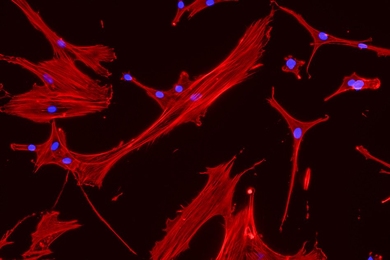
Method boosts differentiation of stem cells into mature blood cell types, may help leukemia and lymphoma patients.

Global Microbiome Conservancy research reveals surprising new insights into human gut microbiomes.
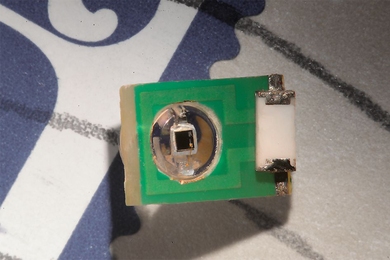
Technique could be used to detect light or electrical fields in living tissue.

Faculty members recognized for excellence via a diverse array of honors, grants, and prizes over the last quarter.
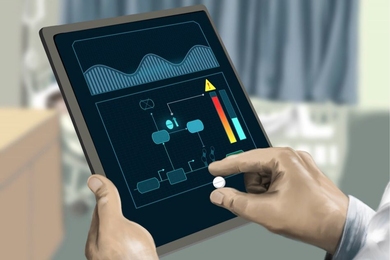
Biological engineers design RNA circuits that enable precise control over the dose of therapeutic protein a patient receives.