Is watching believing?
In spreading politics, videos may not be much more persuasive than their text-based counterparts.
In spreading politics, videos may not be much more persuasive than their text-based counterparts.
Periodically catching up on sleep can improve gait control for the chronically sleep-deprived.
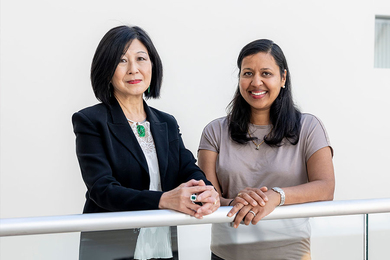
The K. Lisa Yang Integrative Computational Neuroscience (ICoN) Center will use mathematical tools to transform data into a deep understanding of the brain.

Experiment with Facebook-flagged content shows groups of laypeople reliably rate stories as effectively as fact-checkers do.
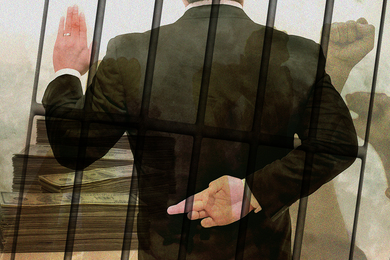
Study finds public anticorruption campaigns bolster leaders, even when such measures lack tangible results.
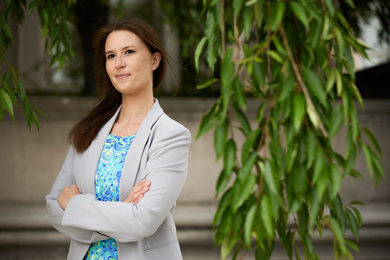
The physicist, neuroscientist, and PhD candidate creates augmentative technology for children with neurodevelopmental differences.

Experiment with working poor in India finds no impact from more night sleep, though naps help; rest quality may be key.

Research finds Covid-19-related lockdowns led to a marked reduction in walking in lower-income areas of major metropolises.
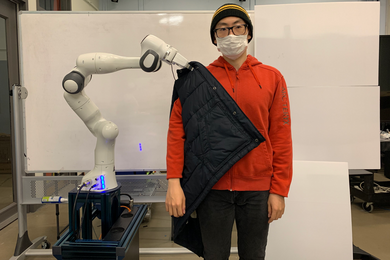
A human-aware motion planning algorithm addresses the safety gap in collaboration between robots and humans.

Study of Beijing’s car-restriction policy underscores value of regional coordination to meet transportation and emissions goals.

Kate Kellogg advocates for “experimentalist governance,” to find what works best for employees at all levels, then implement it widely.

In the U.S. and globally, cultures with a high level of collectivism tend to encourage masking during the pandemic.
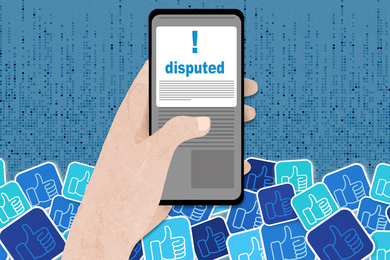
Yes, in some ways. A new study shows Twitter users post even more misinformation after other users correct them.
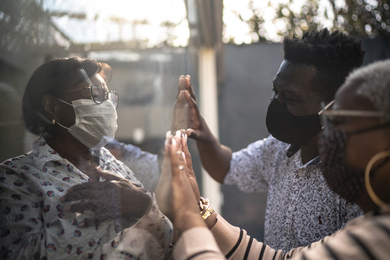
Different social and racial groups have varying views of the problem’s urgency.

Theory-based residual neural network combines discrete choice models and deep neural networks, long viewed as conflicting methods.