
SMART breakthrough uses artificial neural networks to enhance travel behavior research
Theory-based residual neural network combines discrete choice models and deep neural networks, long viewed as conflicting methods.
Theory-based residual neural network combines discrete choice models and deep neural networks, long viewed as conflicting methods.
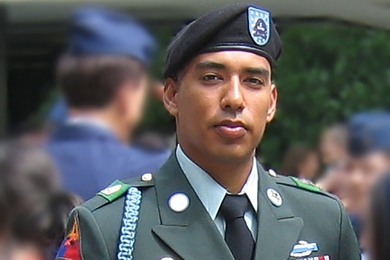
Combat veteran and PhD candidate Omar Rutledge drives research on post-traumatic stress disorder.

Graybiel lab identifies genes linked to abnormal repetitive behaviors often seen in models of addiction and schizophrenia.

Twitter experiment shows clear self-selection into social media “echo chambers” due to political preferences.
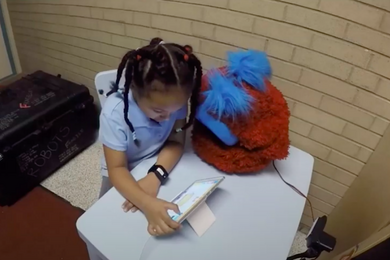
At Open Learning Talks, Cynthia Breazeal and Eric Klopfer discuss artificial intelligence education.

Frontal brain region overrides reflexive inclination of a deeper, older region when rules require.

Recent virtual lecture explores how paleoclimatology provides important context for examining the activities of past human societies.
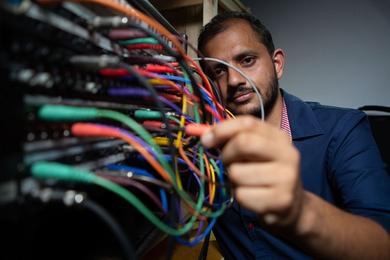
A direct comparison of sensory and higher-order thalamic circuits reveals fundamental differences in how they control the cerebral cortex.
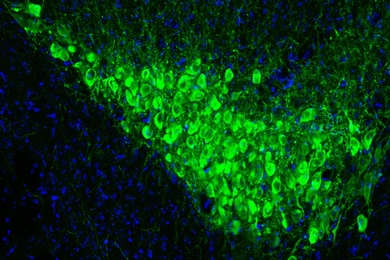
Norepinephrine-producing neurons in the locus coeruleus produce attention focus, impulse control via two distinct connections to prefrontal cortex.
Research on mice suggests aging affects a brain circuit critical for learning to make some types of decisions.

Political science graduate student Matthew Cancian brings his own military experience to bear on battlefield psychology.

Molecular biologist and professor emerita advocates for more inclusive science and advises how to get there.

MIT Professor Sinan Aral’s new book, “The Hype Machine,” explores the perils and promise of social media in a time of discord.

Scientists have found evidence of hot springs near sites where ancient hominids settled, long before the control of fire.
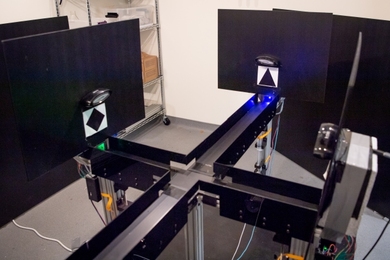
New statistical model may help scientists understand how animals infer whether surroundings are novel or haven’t changed enough to be a new context.