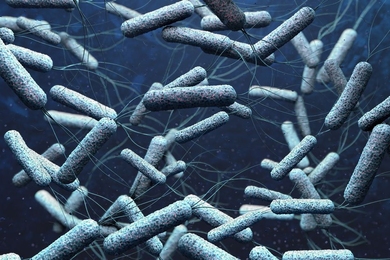
MIT engineers recruit microbes to help fight cholera
Probiotic bacteria can diagnose, prevent, and treat infections.
Probiotic bacteria can diagnose, prevent, and treat infections.
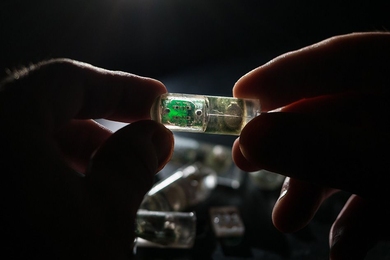
Ultra-low-power sensors carrying genetically engineered bacteria can detect gastric bleeding.
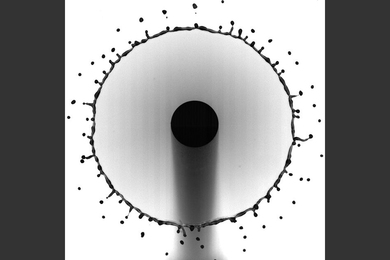
Findings may help track movement of pesticides and biological contaminants.
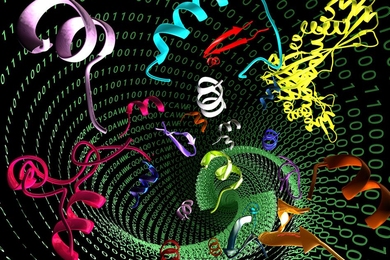
With aid of computer algorithm, researchers develop peptides more powerful than those found in nature.
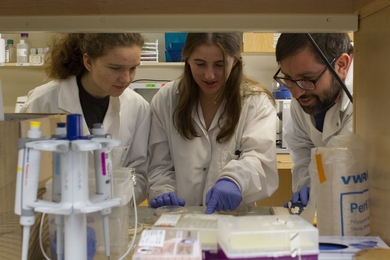
Network tracks the evolution of microbial communities in sourdough starter mixtures shared around the world.
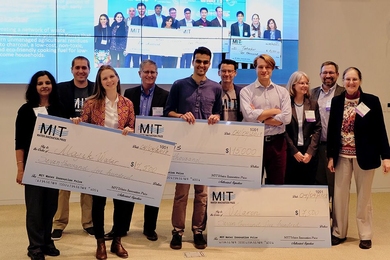
Nine student teams pitched solutions to global water issues at annual event.
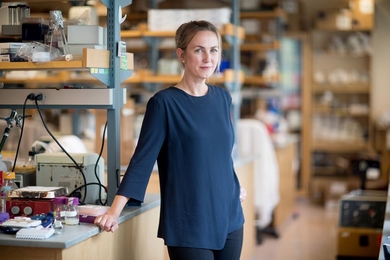
Katharina Ribbeck studies the sticky substance to uncover its impacts on health and disease.
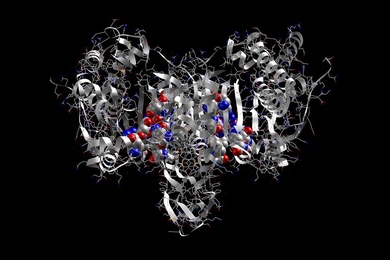
New discovery suggests that all life may share a common design principle.
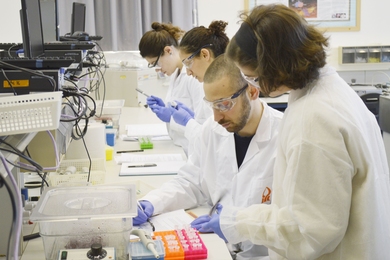
A new special subject, Agricultural Microbial Ecology, takes students to Israel.
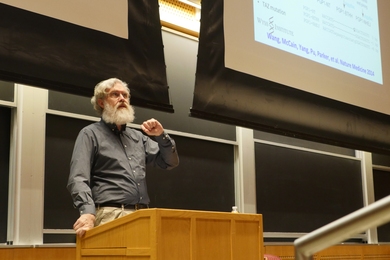
Department of Biology kicks off IAP seminar series with a lecture by synthetic-biology visionary George Church.
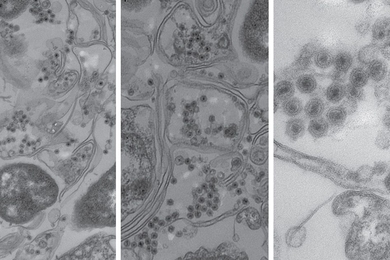
The unusual characteristics of these abundant, bacteria-killing viruses could lead to evolutionary insights.
New strategy could enable existing drugs to kill bacteria that cause chronic infections.
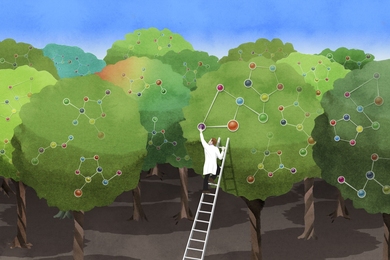
Whitehead Institute researchers detect the chemical mistakes of a common herbicide-resistance enzyme, then successfully re-engineer it for enhanced precision.
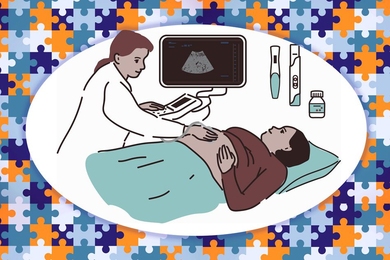
Bacterial populations in mother’s GI tract may play a central role.

Assistant professors Joey Davis and Rebecca Lamason will spearhead research initiatives into fundamental cellular processes.