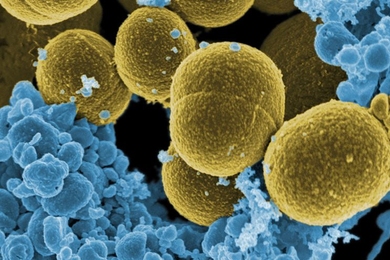
Protein found to play a key role in blocking pathogen survival
Calprotectin fends off microbial invaders by limiting access to iron, an important nutrient.
Calprotectin fends off microbial invaders by limiting access to iron, an important nutrient.
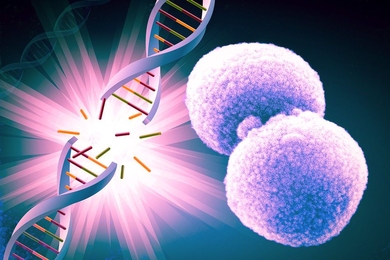
Hydrogen peroxide produced by some bacteria causes DNA double-strand breaks, cell suicide.
Five-year appointment will support research on how cells regulate their behavior in response to an external environment.
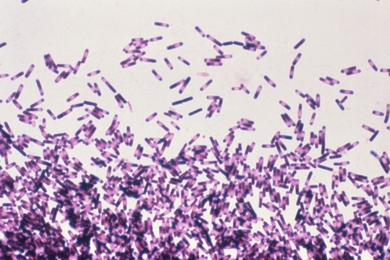
Partnership with MGH, other institutions to foster regional ecosystem for rapidly evolving field.
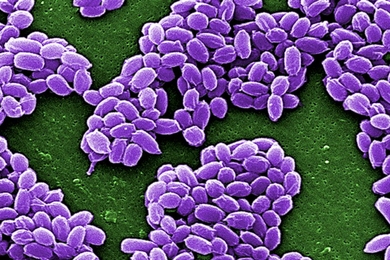
With some tinkering, a deadly protein becomes an efficient carrier for antibody drugs.
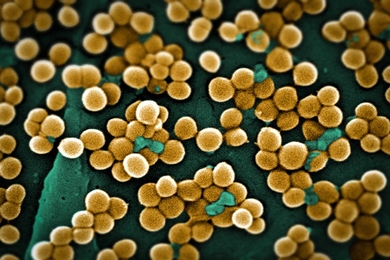
Two new technologies could enable novel strategies for combating drug-resistant bacteria.
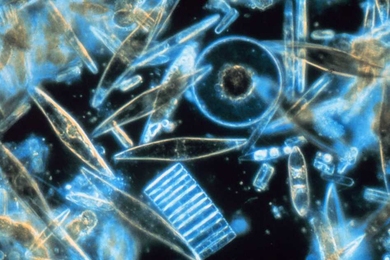
With an infusion of funds from the Simons Foundation, a collaboration between MIT researchers and colleagues will break new ground in the study of marine microbes.
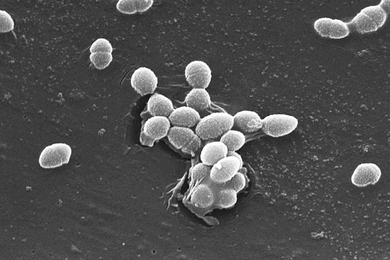
Close analysis of bacteria in the human digestive tract reveals links to diet and other lifestyle factors.
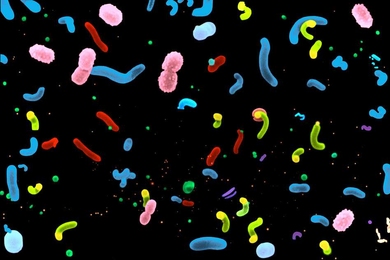
MIT study finds ocean bacteria follow predictable patterns of daily activity.
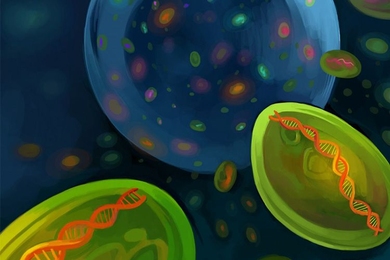
One species, a few drops of seawater, hundreds of coexisting subpopulations.
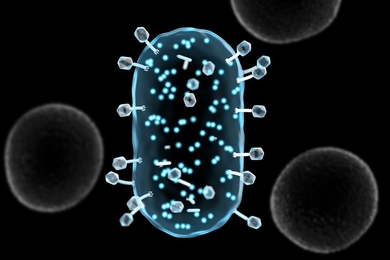
An advanced assay quickly illuminates bacteria for more rapid, accurate detection.
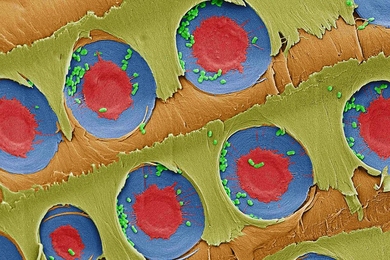
MIT group shows xylem tissue in sapwood can filter bacteria from contaminated water.
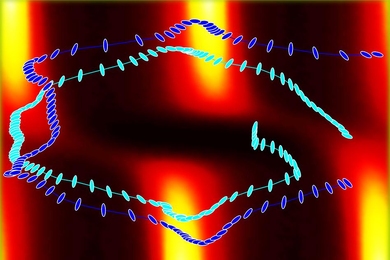
In surprising new discovery, scientists show that microbes are more likely to adhere to tube walls when water is moving.
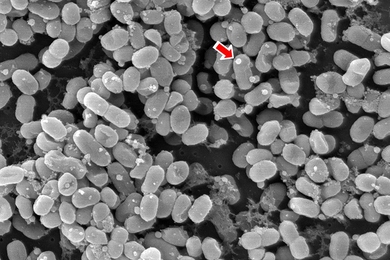
Scientists discover extracellular vesicles produced by ocean microbes.