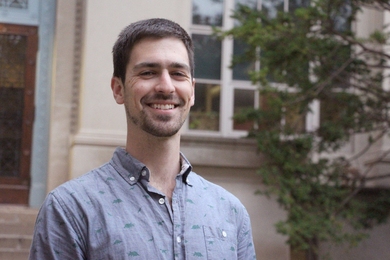
3 Questions: When the student becomes the teacher
Grad student Brandon Leshchinskiy created EarthDNA Ambassadors, an outreach program “for the Earth, for future generations.”
Grad student Brandon Leshchinskiy created EarthDNA Ambassadors, an outreach program “for the Earth, for future generations.”
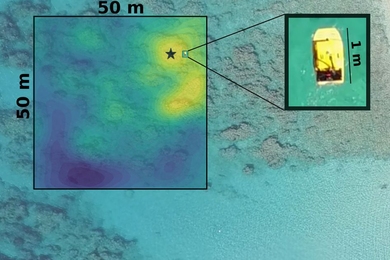
Robotic boats could more rapidly locate the most valuable sampling spots in uncharted waters.
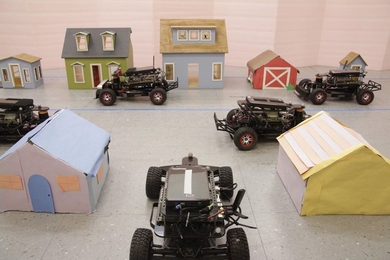
Model alerts driverless cars when it’s safest to merge into traffic at intersections with obstructed views.
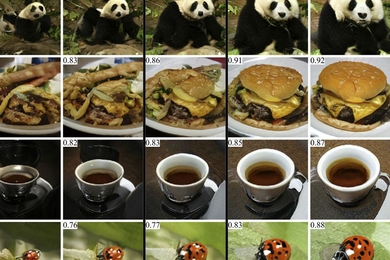
An artificial intelligence model developed at MIT shows in striking detail what makes some images stick in our minds.
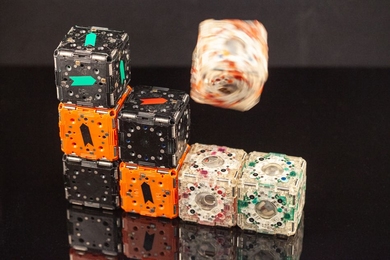
Developed at MIT’s Computer Science and Artificial Intelligence Laboratory, robots can self-assemble to form various structures with applications including inspection.
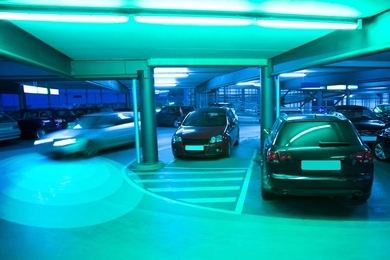
By sensing tiny changes in shadows, a new system identifies approaching objects that may cause a collision.
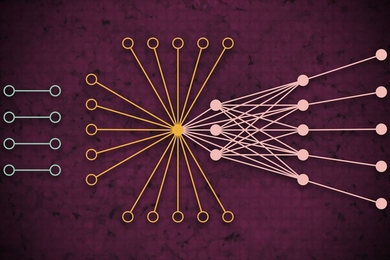
Modeling web traffic could aid cybersecurity, computing infrastructure design, Internet policy, and more.
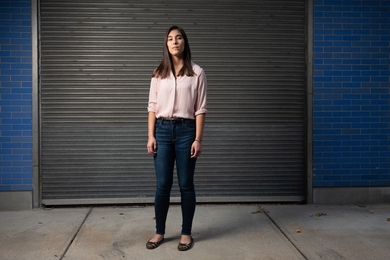
Senior Kristy Carpenter aims to leverage artificial intelligence and other computational tools to develop new, more affordable drugs.
New research reveals biases in fake news datasets and improves the use of automatic detectors.
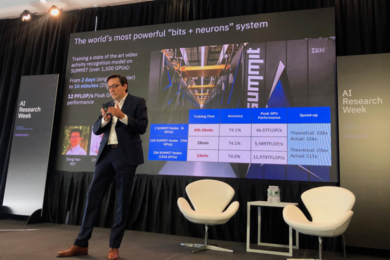
MIT and IBM researchers offer a new method to train and run deep learning models more efficiently.
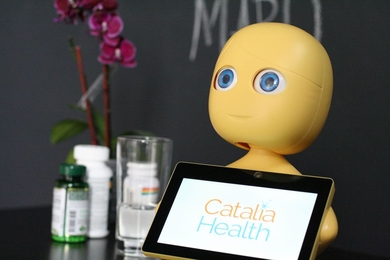
Move over, Alexa and Siri. Talking Mabu robot provides one-to-one support while relaying information to doctors.
Model from the Computer Science and Artificial Intelligence Laboratory identifies “serial hijackers” of internet IP addresses.
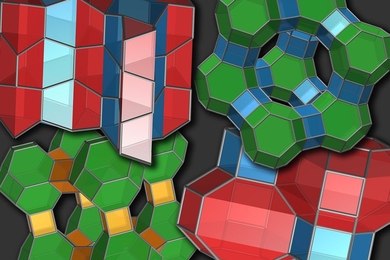
Study of minerals widely used in industrial processes could lead to discovery of new materials for catalysis and filtering.

Associate Professor Juejun Hu shines a light on the impact machine learning and AI are having on materials science and engineering.
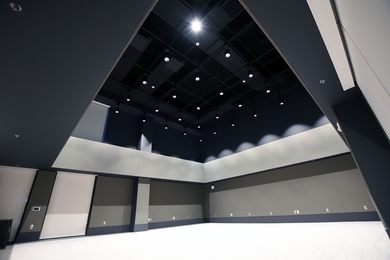
Five software and hardware projects will launch the MIT.nano Immersion Lab Gaming Program.