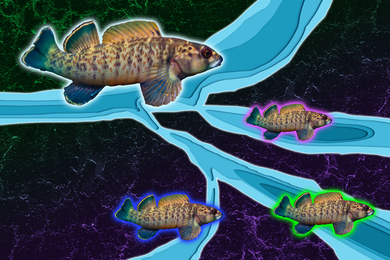
River erosion can shape fish evolution, study suggests
The new findings could explain biodiversity hotspots in tectonically quiet regions.
The new findings could explain biodiversity hotspots in tectonically quiet regions.
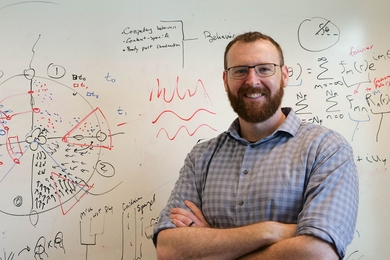
Developing a new neuroscience model is no small feat. New faculty member Brady Weissbourd has risen to the challenge in order to study nervous system evolution, development, regeneration, and function.
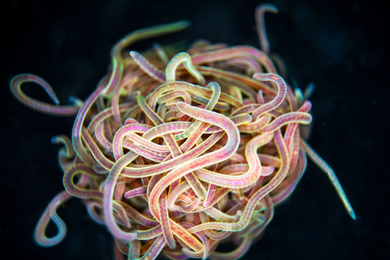
California blackworms tangle themselves up by the thousands, then separate in a split second. Their trick may inspire the design of self-detangling materials and fibers.
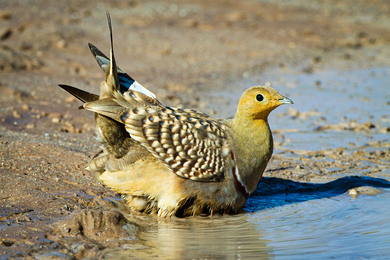
The structure of the desert birds’ belly feathers enables males to carry water over long distances to their chicks.
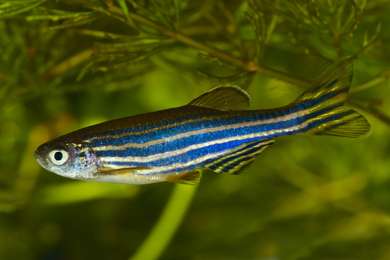
Researchers have discovered that the brains of these simple fish can create three-dimensional maps of their surroundings.
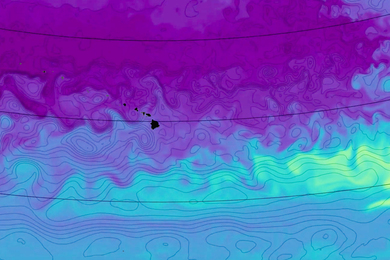
Swirling waters replenish nutrients in open ocean, a new study finds, and could mitigate some climate change effects.

Inspired by jellyfish and octopuses, PhD candidate Juncal Arbelaiz investigates the theoretical underpinnings that will enable systems to more efficiently adapt to their environments.
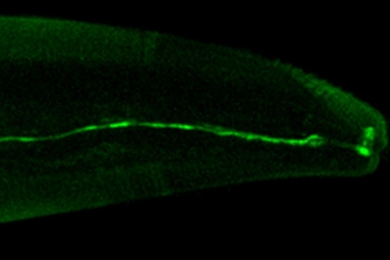
A simple animal model shows how stimuli and states such as smells, stressors, and satiety converge in an olfactory neuron to guide food-seeking behavior.

In a long-studied population of wandering albatrosses, females are less likely to stick with a shy mate.
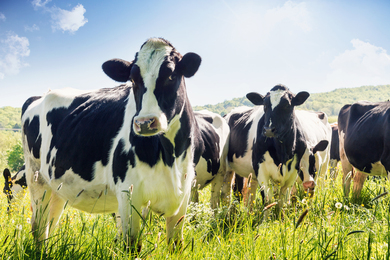
Labby has developed an optical milk scanner based on materials-sensing technology that dairy farmers can use to measure the health of their cows.
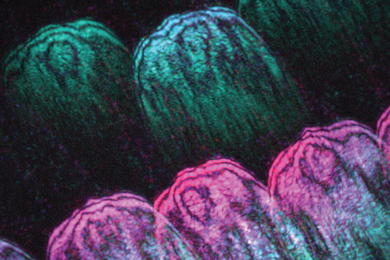
The findings could inform the design of new materials such as iridescent windows or waterproof textiles.
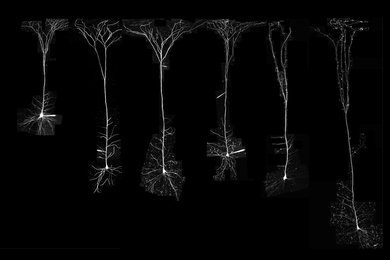
Human neurons have fewer ion channels, which might have allowed the human brain to divert energy to other neural processes.
Fossils indicate a communal nesting ground and adults who foraged and took care of the young as a herd, scientists say.
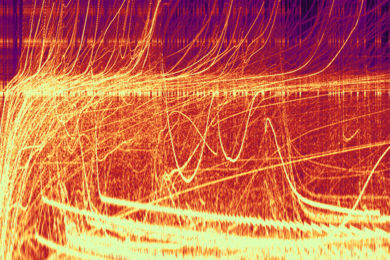
After nearly a decade, an interdisciplinary collaboration to model a 3D spider web leads to many surprising results.