
The beginning of the end for encryption schemes?
New quantum computer, based on five atoms, factors numbers in a scalable way.
New quantum computer, based on five atoms, factors numbers in a scalable way.

Software mines insurance claims data to determine best coverage for employees, within a budget.
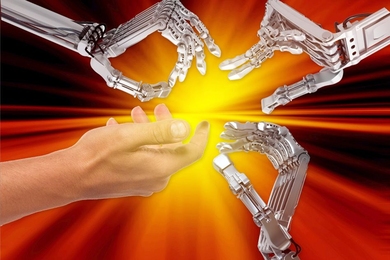
System could help prevent robots from overwhelming human teammates with information.

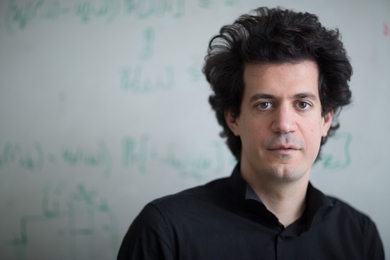
Constantinos Daskalakis adapts techniques from theoretical computer science to game theory.

Low-power chip processes 3-D camera data, could enable wearable device to guide the visually impaired.

Automatic bug-repair system fixes 10 times as many errors as its predecessors.
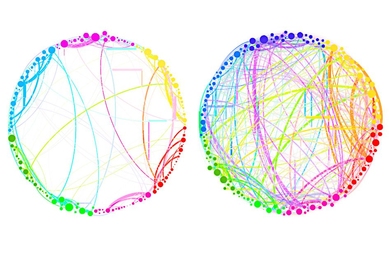
System for handling massive digital datasets could make impossibly complex problems solvable.
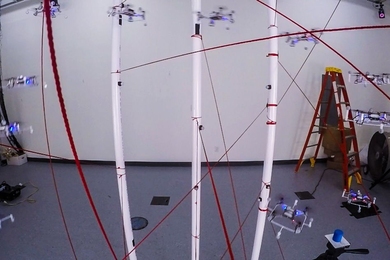
Motion-planning algorithms allow drones to do donuts, figure-eights in object-filled environments.

Model that predicts time from gate departure to takeoff could cut airport congestion, fuel waste.
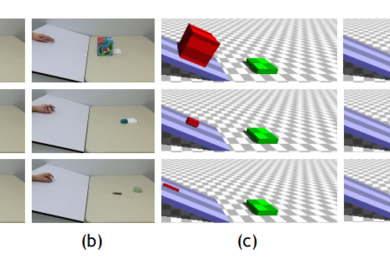
“3-D physics engine” from the Computer Science and Artificial Intelligence Laboratory simulates the human brain to infer physical properties.
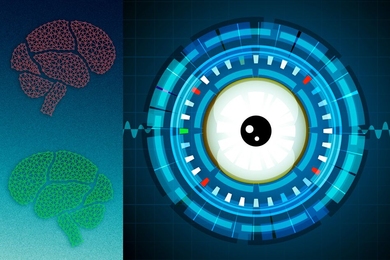
Algorithms could learn to recognize objects from a few examples, not millions; may better model human cognition.
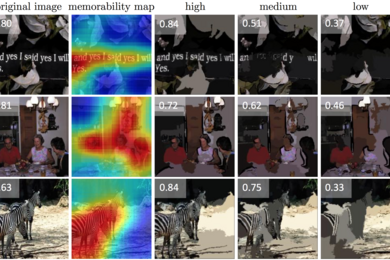
Future versions of an algorithm from the Computer Science and Artificial Intelligence Lab could help with teaching, marketing, and memory improvement.

Robots, 3-D printers, and a surprise guest aim to get students excited about computer science.
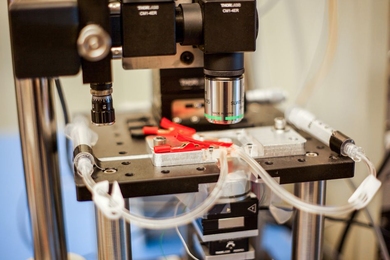
Instrument scans images 2,000 times faster than commercial models.