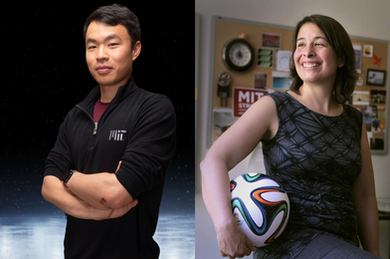
MIT Sports Lab researchers are applying AI technologies to help figure skaters improve. They also have thoughts on whether five-rotation jumps are humanly possible.
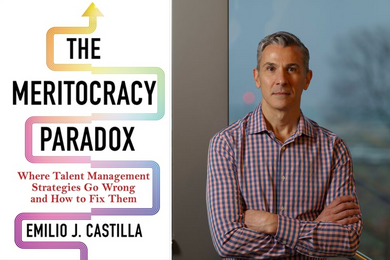
Professor Emilio Castilla explains how bias can creep into employers’ talent management processes — and what leaders can do to make their organizations fairer and more meritocratic.
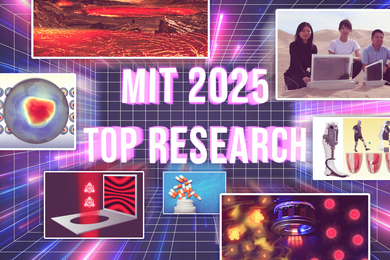
Top stories highlighted the Institute’s leading positions in world and national rankings; new collaboratives tackling manufacturing, generative AI, and quantum; how one professor influenced hundreds of thousands of students around the world; and more.
Large language models can learn to mistakenly link certain sentence patterns with specific topics — and may then repeat these patterns instead of reasoning.