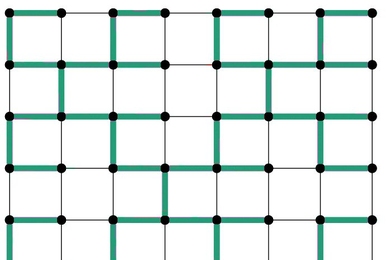
Short algorithm, long-range consequences
A new technique for solving ‘graph Laplacians’ is drastically simpler than its predecessors, with implications for a huge range of practical problems.
A new technique for solving ‘graph Laplacians’ is drastically simpler than its predecessors, with implications for a huge range of practical problems.
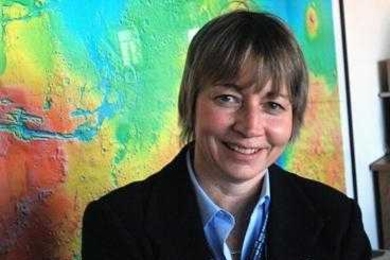
In a letter to principal investigators and researchers, MIT's vice president for research outlines the possible impact here.
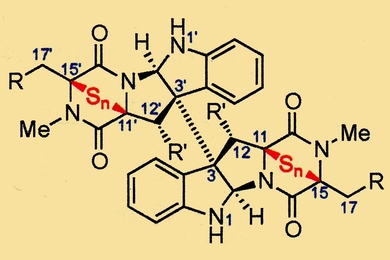
Study of several dozen compounds based on a fungal chemical shows potent anti-tumor activity.

Brain and cognitive sciences major Joy Ekuta researches, learns and teaches her way around the globe.
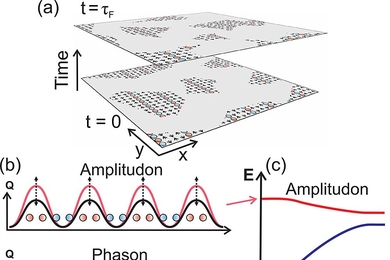
Method allows direct detection of rapid fluctuations that may help to explain how high-temperature superconducting materials work.
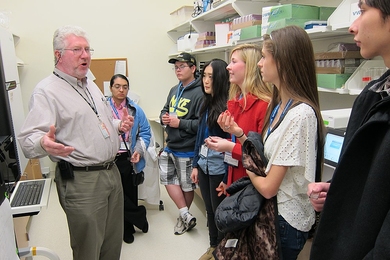
The Institution provides day’s worth of activities for more than 200 conference attendees.

Massive lava flows may have given rise to two distinct rock types on Mercury’s surface.
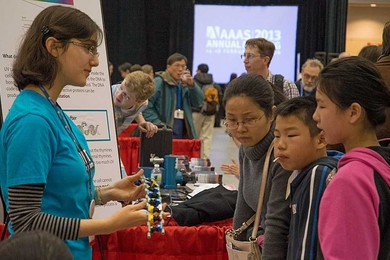
The 2013 conference, held last week in Boston, featured research presentations, hands-on demonstrations.

Biogeochemical modeler Mick Follows named tenured associate professor in MIT's Department of Earth, Atmospheric and Planetary Sciences

Yeast research takes a step toward production of alternatives to gasoline.

Laura Schulz finds that babies learning about the world have much in common with scientists.
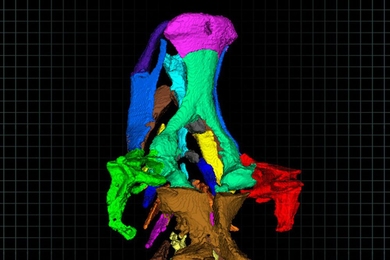
Automated system for high-speed analysis of vertebrate larvae could aid drug development.

MIT engineers design new synthetic biology circuits that combine memory and logic.

Enlisted in the fight against HIV, MIT engineers and scientists contribute new technology, materials and computational studies.