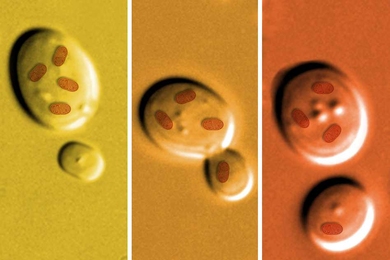
It’s in the genes — but whose?
Genetic material hitchhiking in our cells may shape physical traits more than we thought.
Genetic material hitchhiking in our cells may shape physical traits more than we thought.
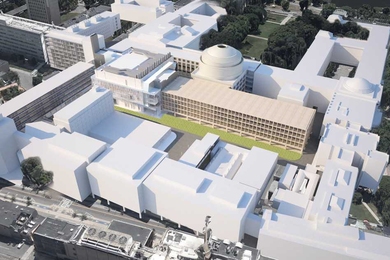
Project managers hold community meetings to explain impact of MIT.nano.
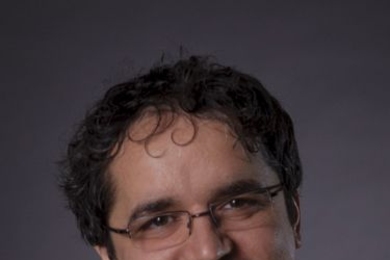
Mircea Dincă creates next-generation synthetic materials for next-generation energy technologies, electronics, and chemical products.
Selected for contributions to the design and development of new metallo-pharmaceuticals and to the understanding of their complex mechanisms of action.
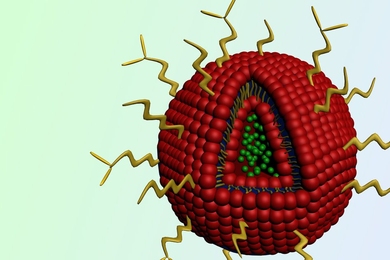
Nanoparticles that stagger delivery of two drugs knock out aggressive tumors in mice.

Multidisciplinary program, to be led by Susan Solomon, will encourage collaborations among researchers in different fields.
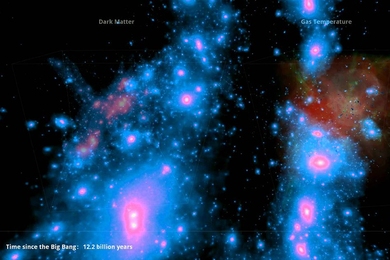
New model, spanning 13 billion years of cosmic evolution, makes important advances.
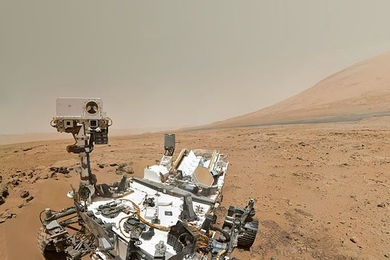
EAPS inaugural Brace Lecture will feature NASA Curiosity rover chief scientist John Grotzinger
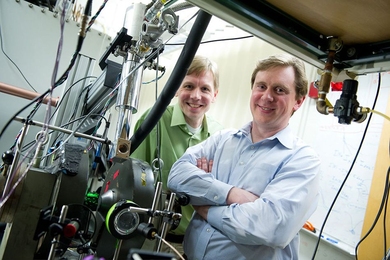
New MIT model can guide design of solar cells that produce less waste heat, more useful current.

Career at MIT spanned more than 50 years, focusing on space plasma and the solar wind
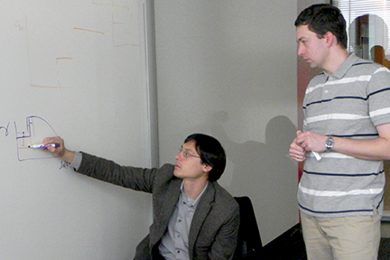
Biophysicist Jeff Gore and collaborators urge applying lessons from yeast colony collapse to tumor growth.
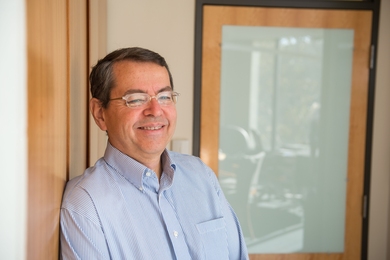
Linus Pauling Award recognizes outstanding contributions in the field of chemistry
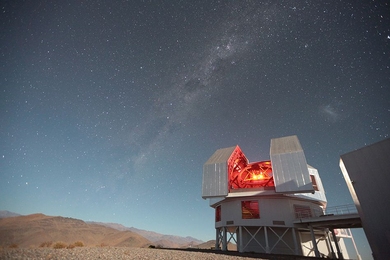
Faintest galaxy ever detected illuminates unusual aspects of the universe’s early evolution.
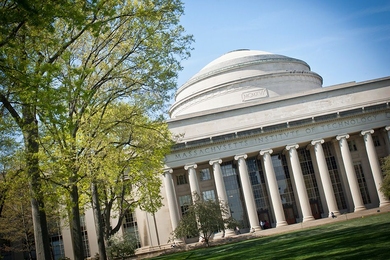
Acemoglu, Brown, Grossman, and Grove bring to 77 the number of MIT faculty who are NAS members.