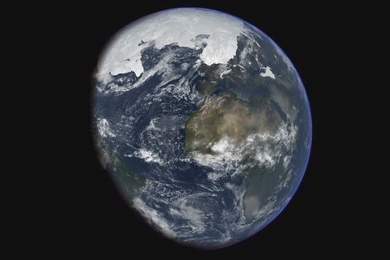
Solving the puzzle of ice age climates
Researchers look to the Southern Ocean for an explanation of the “Last Glacial Maximum.”
Researchers look to the Southern Ocean for an explanation of the “Last Glacial Maximum.”

MIT physicist lauded for his groundbreaking theory of cosmic inflation.
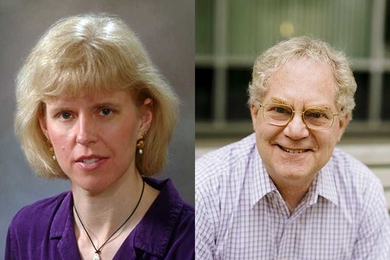
Alan Grossman to serve as interim department head
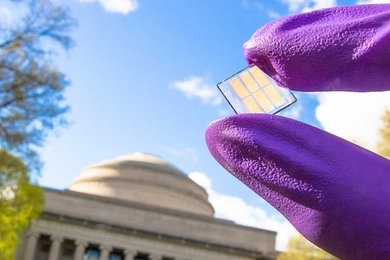
Quantum-dot photovoltaics set new record for efficiency in such devices, could unlock new uses.
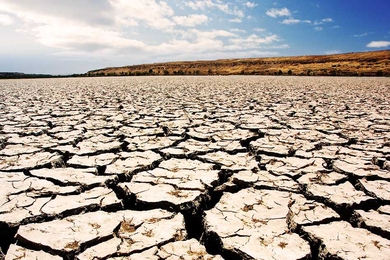
MIT study finds that springtime ozone levels are good predictors of summertime temperatures in the Southern Hemisphere.
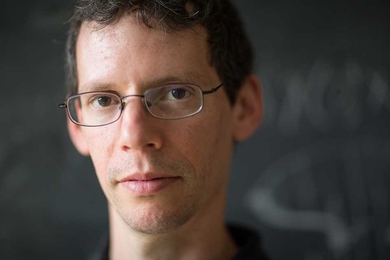
Mathematician Larry Guth follows his physicist father, Alan, to a post on the MIT faculty.
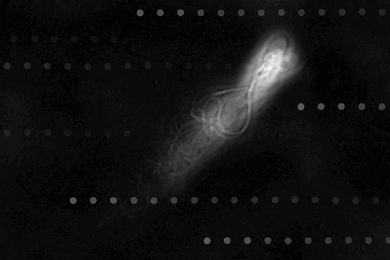
Study may explain how sperm travel long distances, through difficult terrain, to reach an egg.
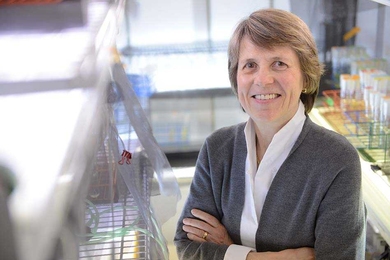
Highest honor for MIT faculty members goes to pioneer of research on ocean’s photosynthetic organisms.
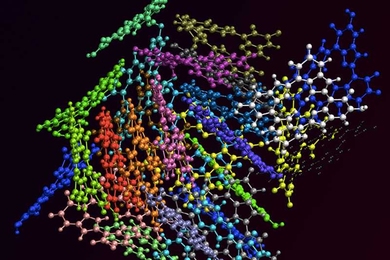
Researchers uncover secret of a ubiquitous pigment’s ability to absorb a broad spectrum of light.
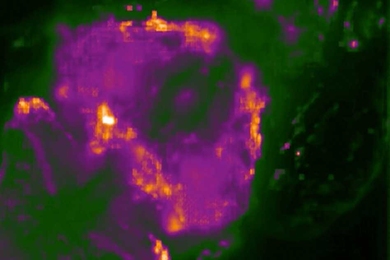
New technique allows scientists to monitor the entire nervous system of a small worm.
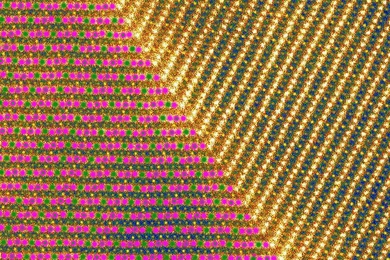
Multidisciplinary group solves mystery of how a potential battery electrode material behaves.
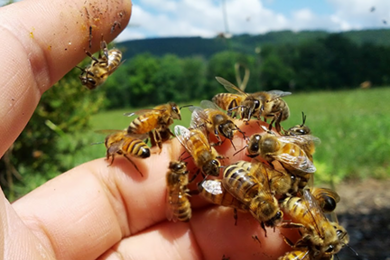
MIT graduate student Lei Dai working with Pennsylvania researchers to apply population dynamics to hive collapse problem.
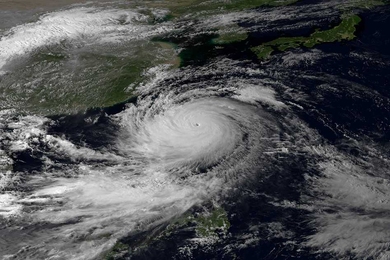
New analysis of cyclones shows migration away from tropics and toward the poles in recent decades.
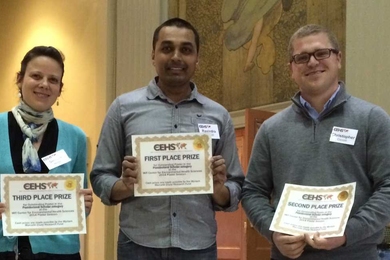
Graduate students and postdoc scholars presented the results of their research at Morss Hall.