
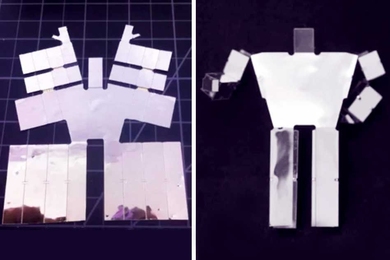
Bake your own robot
New algorithms and electronic components could enable printable robots that self-assemble when heated.
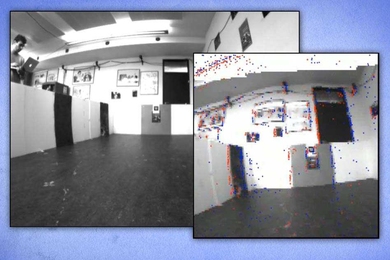
Think fast, robot
Algorithm that harnesses data from a new sensor could make autonomous robots more nimble.
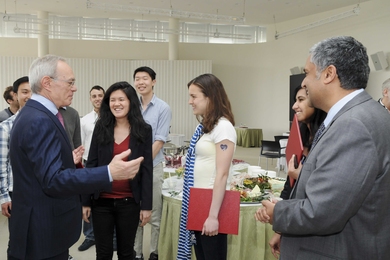
Advanced research gives EECS undergraduates the ‘big picture’
SuperUROP connects student creativity with tough challenges

CSAIL convenes leading thinkers to discuss future of computing
"MAC50" symposium celebrates 50 years of computer science at MIT.
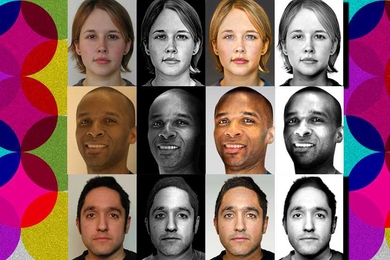
Spruce up your selfie
A new algorithm could transfer acclaimed photographers’ signature styles to cellphone photos.
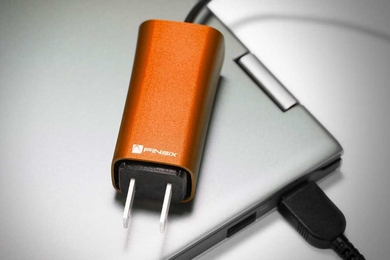
The incredible shrinking “power brick”
Startup FINsix leverages novel MIT technology to shrink laptop adapters to a quarter the size.

Microbes chow down on latest fuel-cell tech
Cullen Buie manipulates micro-scale phenomena to optimize energy conversion devices.
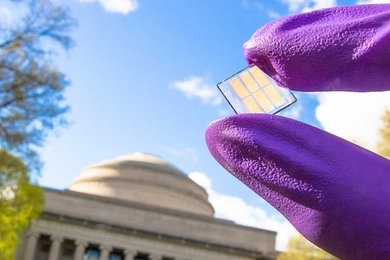
Improving a new breed of solar cells
Quantum-dot photovoltaics set new record for efficiency in such devices, could unlock new uses.
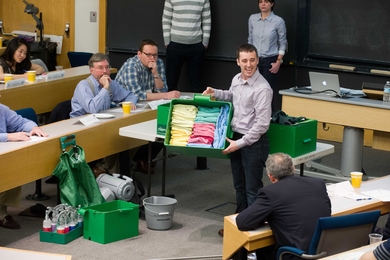
Product Design and Development class partners with MIT Sloan and RISD
Course 2.739 brings engineering, business, and design students together to learn about developing new products
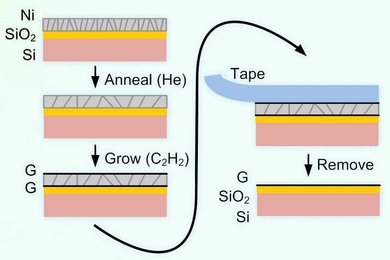
A new way to make sheets of graphene
Technique might enable advances in display screens, solar cells, or other devices.
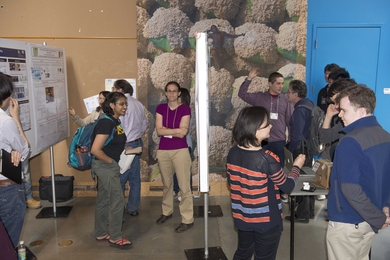
EECScon and Masterworks events raise awareness of student research
Two venues provide industry, faculty, and student guests with full range and depth of research.
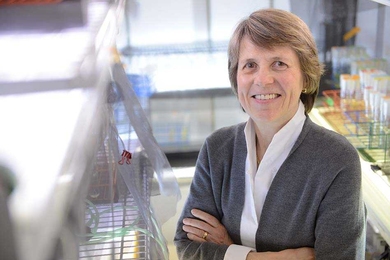
Sallie “Penny” Chisholm receives MIT’s Killian Award
Highest honor for MIT faculty members goes to pioneer of research on ocean’s photosynthetic organisms.
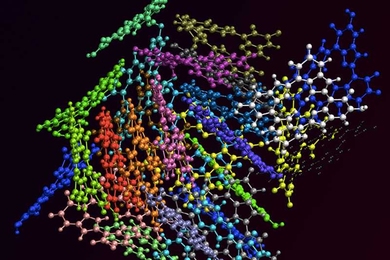
Why eumelanin is such a good absorber of light
Researchers uncover secret of a ubiquitous pigment’s ability to absorb a broad spectrum of light.
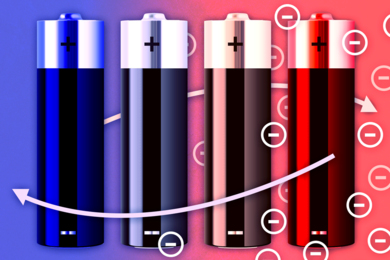
A new way to harness waste heat
Electrochemical approach has potential to efficiently turn low-grade heat to electricity.