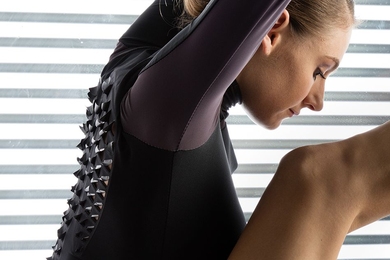
A living, breathing textile aims to enhance athletic performance
Researchers in the Media Lab's bioLogic group have created a new form of performance fabric that combines biomaterials research with textile design.
Researchers in the Media Lab's bioLogic group have created a new form of performance fabric that combines biomaterials research with textile design.
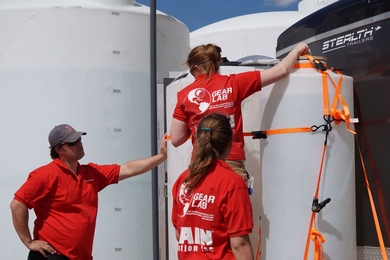
MIT researchers have developed a solar-powered desalination system that could significantly increase the groundwater available for drinking in Indian villages.

MIT to create new center at the world’s busiest port in Ningbo, China


Professor of aeronautics and astronautics honored for contributions toward the safety of space systems.
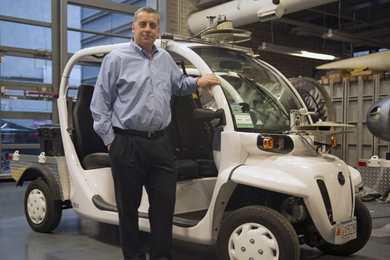
MIT professor and engineer honored for significant contributions to the field of aeronautics.

MIT sophomore is passionate about coding projects that model neutron behavior inside nuclear reactors.

High-speed imaging shows how fluid breaks apart in air, may help identify super-spreaders.

Contributions of new members include the design of parallel computing systems, the development of 3-D printing, and the discovery of near-Earth asteroids.
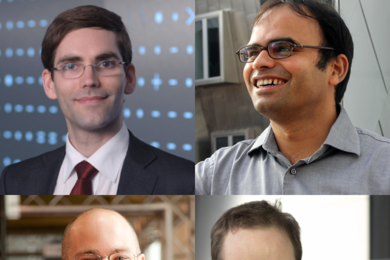
Palacios, Shah, Tedrake promoted to full professor; Englund promoted to associate professor without tenure.
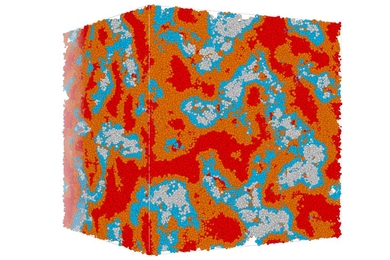
Findings may guide development of formulas to make the material more durable, less CO2-intensive.
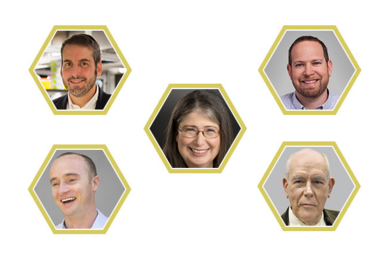
MIT professor and four alumni honored for inventing electronic ink, the spanning tree protocol, and Sketchpad, a human-machine graphical communication system.
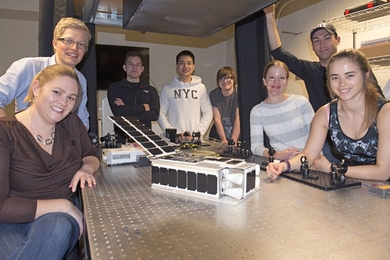
AeroAstro team turns to MIT crowdsourcing to fund entry in NASA space launch competition.
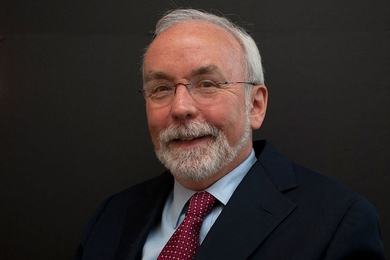
Dedicated researcher was a circuits expert developing a retinal implant to help the blind see.
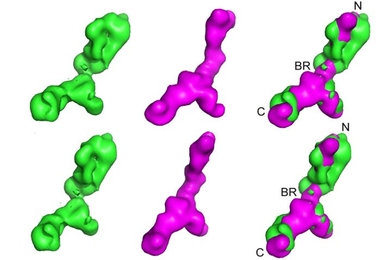
Protein that gives blood vessels and skin their stretchability has its molecular properties revealed.