
The beginning of the end for encryption schemes?
New quantum computer, based on five atoms, factors numbers in a scalable way.
New quantum computer, based on five atoms, factors numbers in a scalable way.
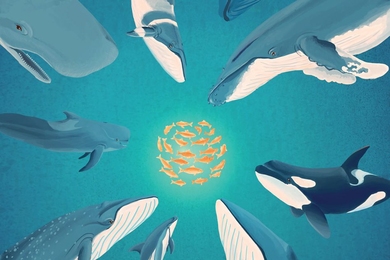
Mapping whale calls, researchers find the predators feed in species-specific hotspots.
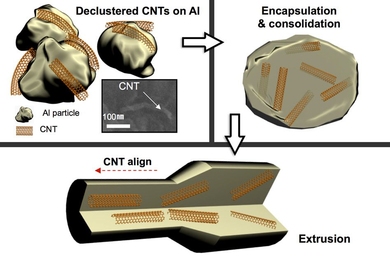
Aluminum used in nuclear reactors and other harsh environments may last longer with new treatment.
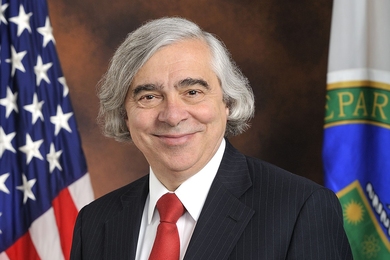
Moniz joins global energy leaders from industry, government, and academia speaking at student-organized conference on March 4 and 5.
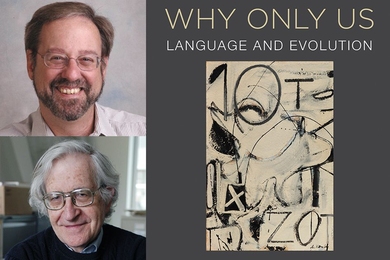
New book by Noam Chomsky and Robert Berwick explores how people acquired unique language skills.
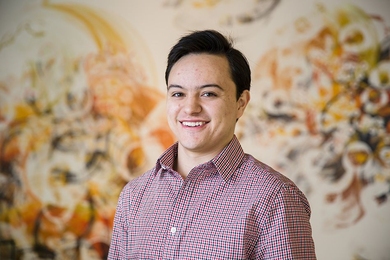
MIT senior will pursue advanced degree in computer science at Cambridge University.
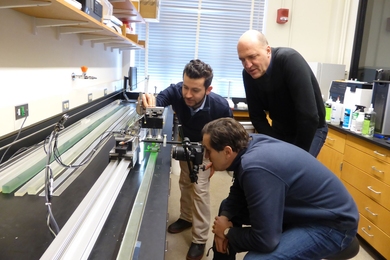
Research aims to encourage decision makers to think of infrastructure as part of the solution in a carbon constrained environment.
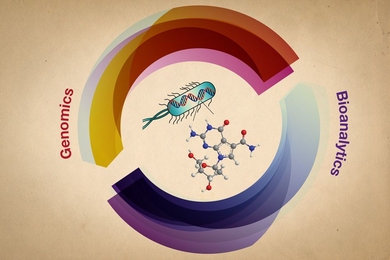
Researchers systematically find molecules that help regulate and protect DNA.
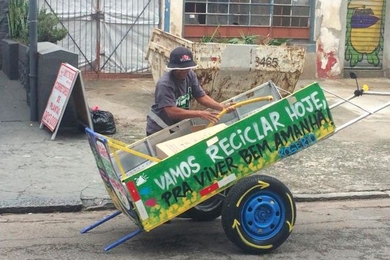
MIT student travels to São Paulo to assist non-profit in recognizing and organizing waste collectors.
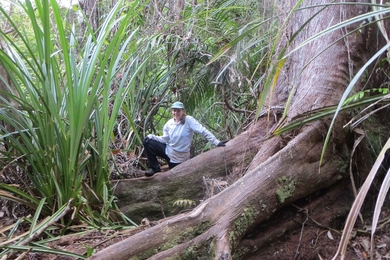
Graduate student Alison Hoyt gets knee deep in the exploration of carbon cycling in the peat swamp forests of Borneo.

Ultrathin, flexible photovoltaic cells from MIT research could find many new uses.

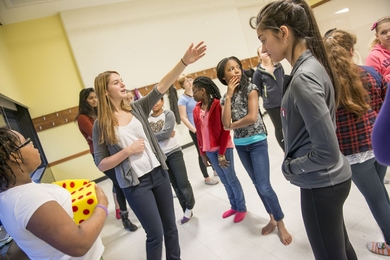
Student-run program, SHINE for Girls, teaches middle schoolers mathematics through dance.

MIT's Institute of Medical Engineering and Science is on the front lines of efforts to diagnose and develop a vaccine against the emerging Zika virus.
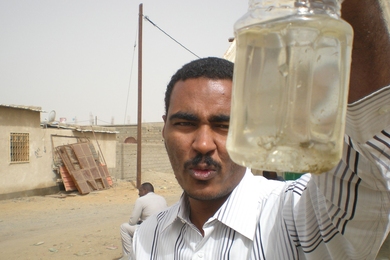
Environmental management approaches may be key in combating mosquito-borne infectious diseases.