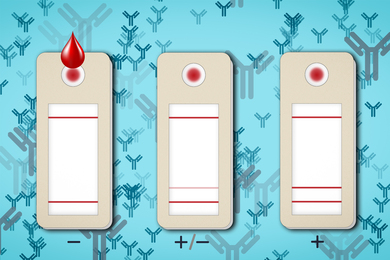
New test may predict Covid-19 immunity
The paper test measures the level of neutralizing antibodies in a blood sample and could help people decide what protections they should take against infection.
The paper test measures the level of neutralizing antibodies in a blood sample and could help people decide what protections they should take against infection.
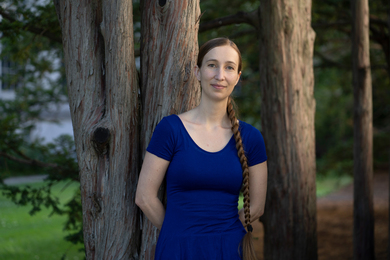
The PhD student seeks to improve patient care by helping facilities use their limited resources more effectively.
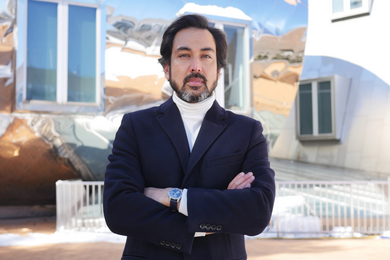
Postdoc Digbijay Mahat became a cancer researcher to improve health care in Nepal, but the Covid-19 pandemic exposed additional resource disparities.

The Raman spectroscopy-based method enables early detection and quantification of pathogens in plants, to enhance plant disease management.
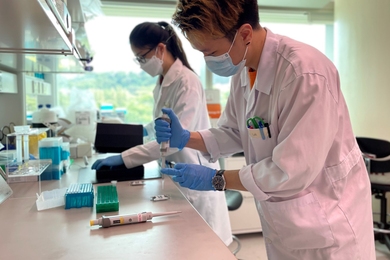
Paper-based blood test developed by SMART researchers can rapidly determine the presence of SARS-CoV-2 neutralizing antibodies.

Dana Al-Sulaiman, a recent postdoc with MIT’s Ibn Khaldun Fellowship for Saudi Arabian Women, has developed a cheap, minimally invasive diagnostic test for cancer.
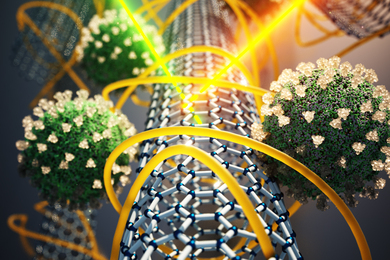
The technology could be developed as a rapid diagnostic for Covid-19 or other emerging pathogens.
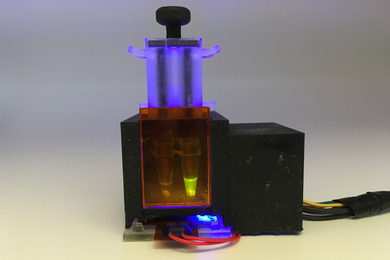
The tabletop diagnostic yields results in an hour and can be programmed to detect variants of the SARS-CoV-2 virus.
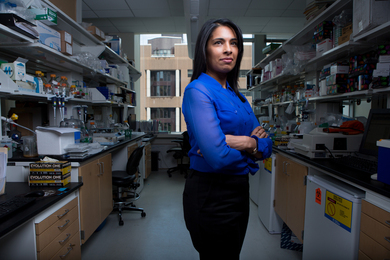
Biological sensors developed by MIT spinout Glympse Bio could help clinicians make decisions for individual patients.
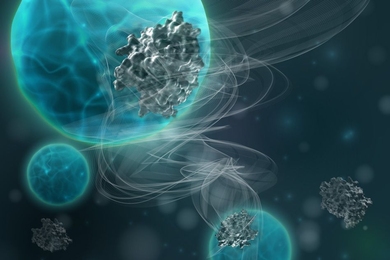
Specialized nanoparticles create a “breath signal” that could be used to diagnose pneumonia and other infectious or genetic diseases.
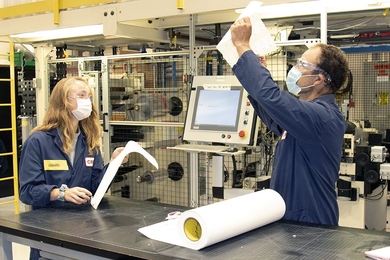
Company working with Sikes Lab to test feasibility of low-cost diagnostic that could be manufactured by the millions each day.
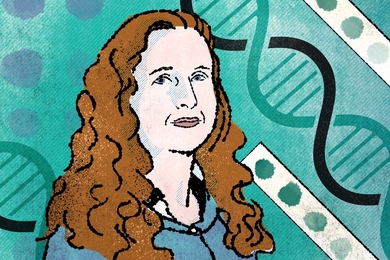
Hadley Sikes designs simple-to-use diagnostic devices that could benefit patients around the world.
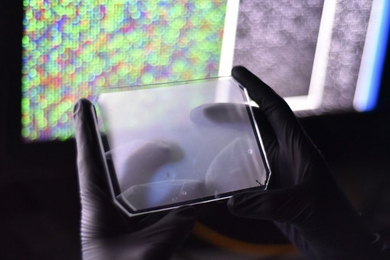
Diagnostic platform CARMEN combines microfluidics with CRISPR-based detection technology SHERLOCK, and could one day be used for public health efforts.
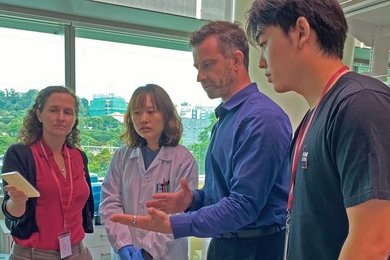
Chemical engineer aims to create a test that can work in 10 minutes and doesn’t require specialized instruments or laboratory infrastructure.
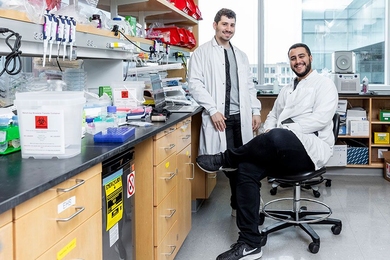
MIT scientists Omar Abudayyeh and Jonathan Gootenberg explain the current state of Covid-19 testing, and how a CRISPR tool may help solve the supply problem.