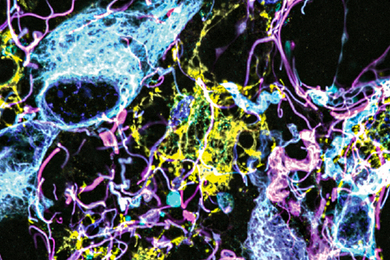
Imaging method reveals new cells and structures in human brain tissue
A new microscopy technique that enables high-resolution imaging could one day help doctors diagnose and treat brain tumors.
A new microscopy technique that enables high-resolution imaging could one day help doctors diagnose and treat brain tumors.
The advance makes it easier to detect circulating tumor DNA in blood samples, which could enable earlier cancer diagnosis and help guide treatment.

MIT CSAIL researchers develop advanced machine-learning models that outperform current methods in detecting pancreatic ductal adenocarcinoma.
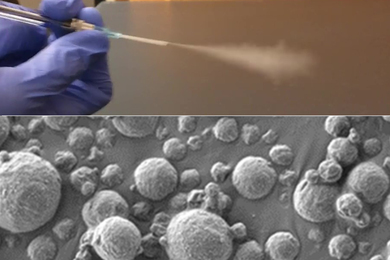
The diagnostic, which requires only a simple urine test to read the results, could make lung cancer screening more accessible worldwide.

A new MIT study identifies six systemic factors contributing to patient hazards in laboratory diagnostics tests.
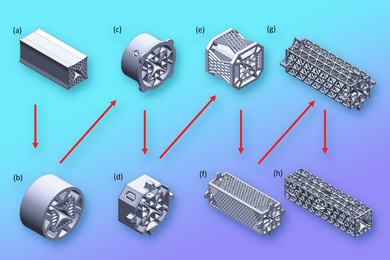
Lightweight and inexpensive, miniaturized mass filters are a key step toward portable mass spectrometers that could identify unknown chemicals in remote settings.
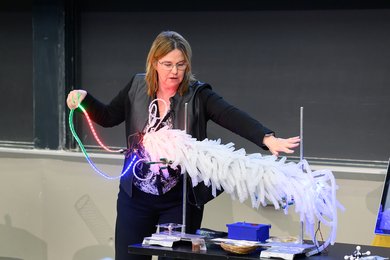
MIT professor combines nanoscience and viruses to develop solutions in energy, environment, and medicine.

The one-step fabrication process rapidly produces miniature chemical reactors that could be used to detect diseases or analyze substances.

The new sensor measures heart and breathing rate from patients with sleep apnea and could also be used to monitor people at risk of opioid overdose.
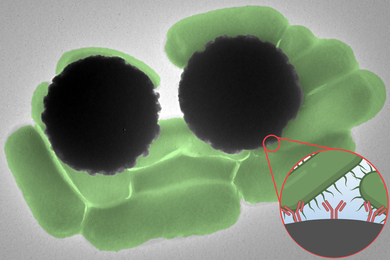
The findings point to faster way to detect bacteria in food, water, and clinical samples.
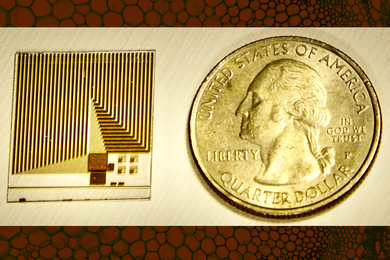
The device detects the same molecules that cell receptors do, and may enable routine early screening for cancers and other diseases.
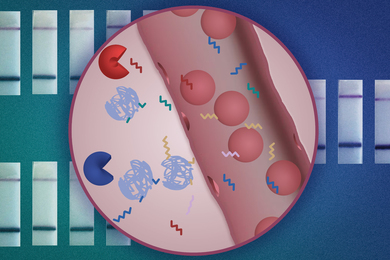
The new diagnostic, which is based on analysis of urine samples, could also be designed to reveal whether a tumor has metastasized.
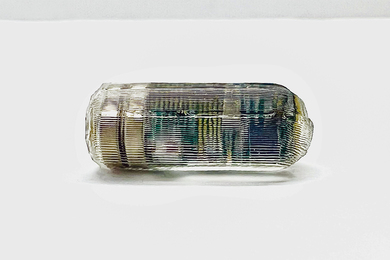
The sensor sends out its location as it moves through the GI tract, revealing where slowdowns in digestion may occur.

MIT Open Learning team awarded NIH grant to provide training in biomedical product development, entrepreneurship, and innovation.
Deep-learning model takes a personalized approach to assessing each patient’s risk of lung cancer based on CT scans.