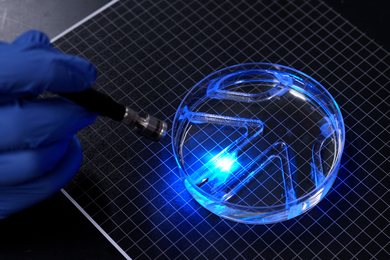
Powered by muscle cells, a paper-thin robot swims through watery maze
MIT engineers’ new aquabot offers a way to design small, efficient “biohybrid” robots.
MIT engineers’ new aquabot offers a way to design small, efficient “biohybrid” robots.

In a study focusing on hiring decisions, MIT researchers found the use of a single algorithm by many firms could benefit job seekers in certain situations.

A new way of simulating wind turbines in the field shows how tweaking turbine operation could unlock tens of thousands of dollars per turbine every year.

MIT engineers have found a way to stabilize the lipid nanoparticles used to deliver RNA vaccines, which could allow the vaccines to be more widely distributed.
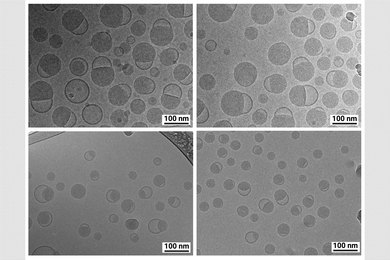
MIT chemical engineers found a way to rapidly produce lipid nanoparticles of varying sizes, which could make it easier to develop new vaccines and therapeutics.
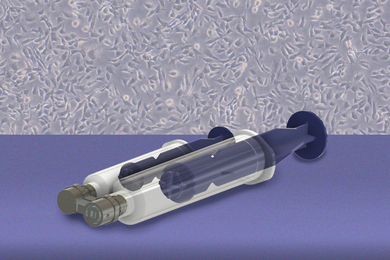
MIT researchers developed a handheld system that gently collects living cells from patient samples to aid cancer testing and development of personalized medicines.
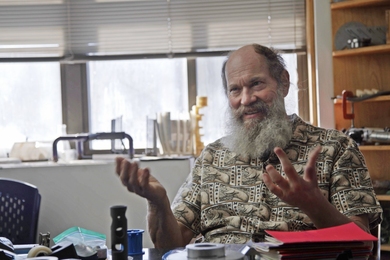
Precision, repeatability, and fun are the focus in mechanical engineering course 2.70 (Fundamentals of Precision Product Design).

The Institute’s undergraduate engineering, computer science, and economics programs are No. 1; its business program is No. 2.
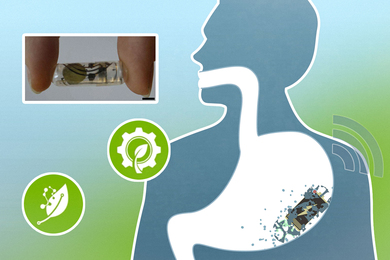
Made from “bioresorbable” materials, the new batteries could power capsules for drug delivery, sensing, and other applications.

Tracking down senescent cells, which accumulate as we age, could help diagnose age-related disorders and guide researchers working on new treatments.

The Climate Grand Challenges “New World of Weather” project shows how modeling, planning tools, and infrastructure analysis are translating research into real-world resilience.
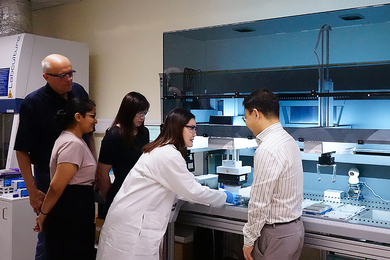
Novel research expands scientific understanding of how RNA shapes the reading of genetic information.
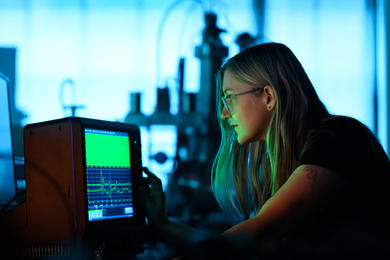
PhD candidate Lanie McKinney is building technology to convert the Red Planet’s atmosphere into propellant for bringing astronauts home.
Faculty members and researchers were honored in recognition of their scholarship, service, and overall excellence.
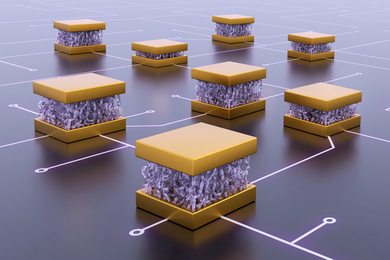
A new device uses reconfigurable motion to mimic the firing behavior of a neuron, which could lead to more efficient computing.