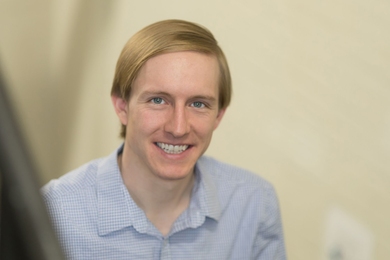
Brian Henderson: Experimenting with physics and policy
Nuclear Science and Engineering Stanton Fellow Brian Henderson brings his physics experience to bear on nuclear weapons disarmament policies.
Nuclear Science and Engineering Stanton Fellow Brian Henderson brings his physics experience to bear on nuclear weapons disarmament policies.
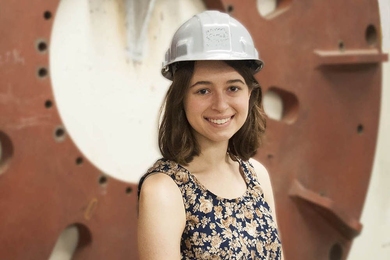
Grad student Libby Tolman melds the elegance of theoretical physics with practical applications of nuclear science.
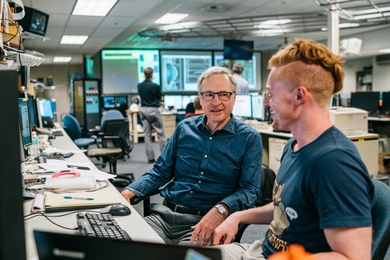
MIT’s Alcator C-Mod nuclear reactor winds down — and defines its legacy on its final run.
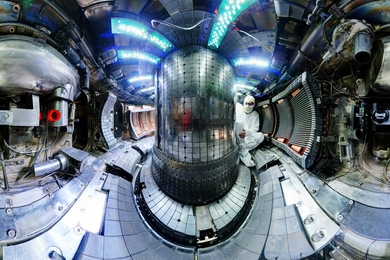
Alcator C-Mod tokamak nuclear fusion reactor sets world record on final day of operation.
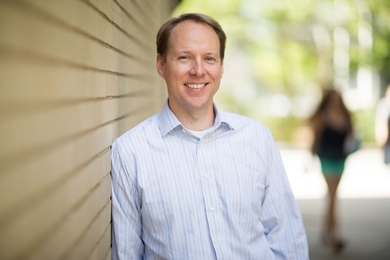
By making detailed simulations of reactor cores, the MIT engineer is helping to advance new designs.

A new online tool helps graduate students communicate — in their own languages.

Nuclear science and engineering PhD student Jayson Vavrek applies particle physics to solve problems with nuclear weapons disarmament.

For PhD student Silvia Espinosa, a passion for solving theoretical puzzles fuels a quest for fusion energy.
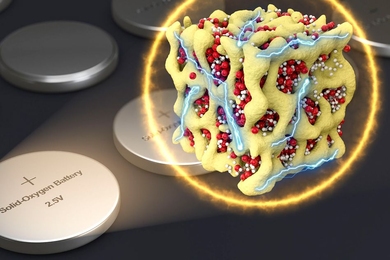
New chemistry could overcome key drawbacks of lithium-air batteries.
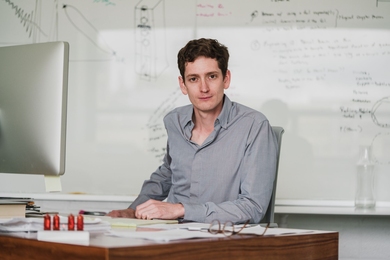
MIT researchers develop a “physical cryptography” for secure and accurate accounting of the world’s nuclear arsenals.

$1M Sloan Foundation grant supports NSE-led Future of Nuclear Energy Technologies study
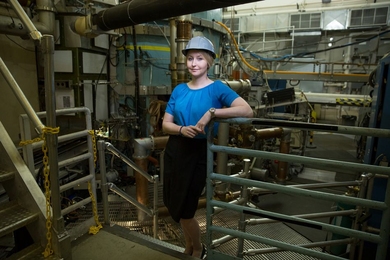
Physicist has a fascination for the complexities of turbulence, and how to reduce it in fusion reactors.
Now open to the entire School of Engineering, SuperUROP is creating an interdisciplinary community of scholars.
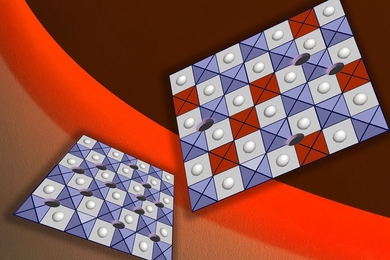
Surface treatment greatly reduces degradation of catalyst material.