
Batteries that safely break down in the GI tract could improve ingestible devices
Made from “bioresorbable” materials, the new batteries could power capsules for drug delivery, sensing, and other applications.
Made from “bioresorbable” materials, the new batteries could power capsules for drug delivery, sensing, and other applications.

Tracking down senescent cells, which accumulate as we age, could help diagnose age-related disorders and guide researchers working on new treatments.

The Climate Grand Challenges “New World of Weather” project shows how modeling, planning tools, and infrastructure analysis are translating research into real-world resilience.

Faculty members and researchers were honored in recognition of their scholarship, service, and overall excellence.

The “HardFlow” algorithm could help generative AI models produce high-quality outputs that obey strict requirements when “pretty close” doesn’t cut it.

Atlas Building Composites is commercializing MIT research to turn plastic waste into parts for buildings and other infrastructure.

In the new method, cells package and export their RNA, enabling researchers to sequence and analyze the RNA without killing the cells.
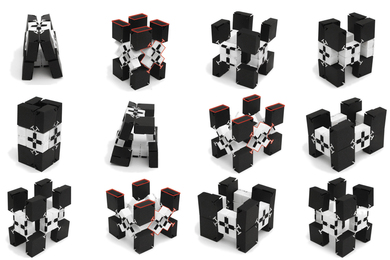
Dubbed “bifur-circuits,” these interactive building blocks could be used to develop reconfigurable robotic grippers or customized assistive devices.

MIT Sea Grant resident artist and acclaimed underwater photographer Keith Ellenbogen captures an intimate look at courtship and communication in a hidden spawning spectacle off Cape Cod.

A new algorithm learns to anticipate the unprecedented scenarios that critical infrastructure and global supply chains are least prepared for.

Researchers explore how a key factor can mitigate or promote tuberculosis transmission.
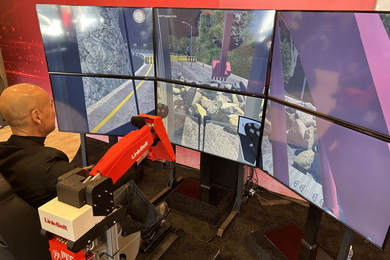
The new, more intuitive system could speed up the training process for excavator operators.

MIT senior Kayode Dada has a passion for designing games, and a penchant for building community.
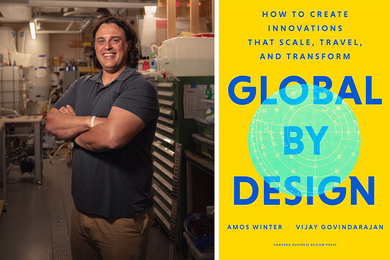
A new book coauthored by Professor Amos Winter asserts that, to solve major challenges and deliver products of value to consumers in both developed and emerging markets, innovators must think and act globally.
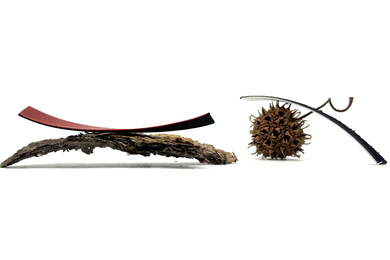
The new framework could streamline the design process of robotic grippers or aerospace components that exhibit complex behaviors found in nature.