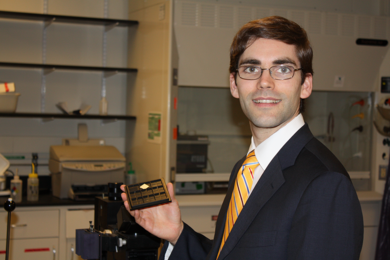
The second semiconductor revolution
Materials Day, Oct. 14, presents insights into the next generation of extremely thin, tough quantum materials for sensing, energy. and computing devices.
Materials Day, Oct. 14, presents insights into the next generation of extremely thin, tough quantum materials for sensing, energy. and computing devices.

Renewable grants awarded to PIs in materials science and engineering, chemical engineering, and biology.
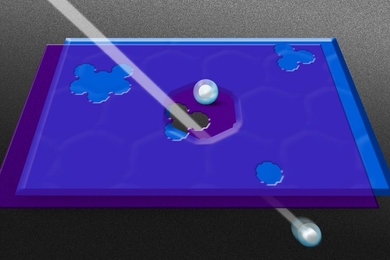
Like biological channels, graphene pores are selective for certain types of ions.
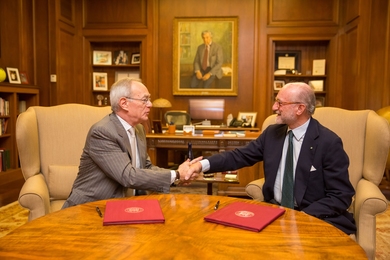
Agreement will support a number of joint research projects, seminars, lectures, and other programming.
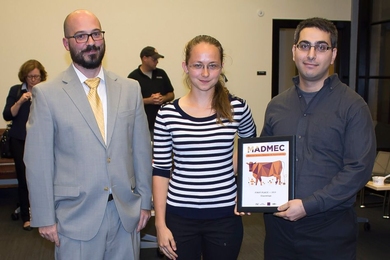
Team wins $10,000 at annual competition for invention inspired by butterfly wings.
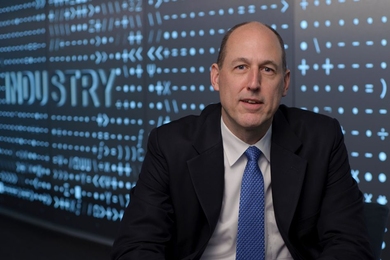
Eugene Fitzgerald pursues new models for innovation in electronics as part of the Singapore-MIT Alliance for Research and Technology.
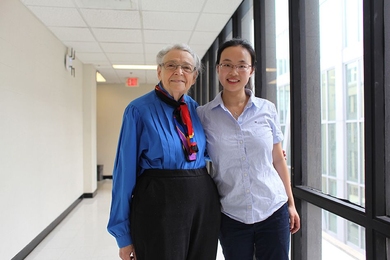
MIT-led team develops method for scaling up production of thin electronic material.
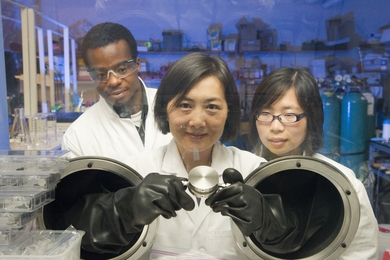
MIT Solar Day brings the MIT community together to preview the coming decades of solar energy innovation.

New system is the first to create strong, solid glass structures from computerized designs.
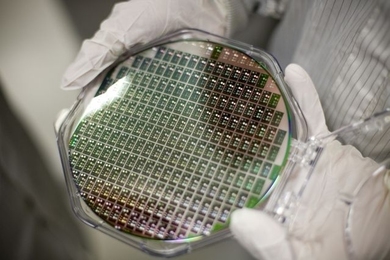
Lionel Kimerling, Rajeev Ram, and other MIT researchers explore practical ways to bring optical interconnection toward and directly onto chips.
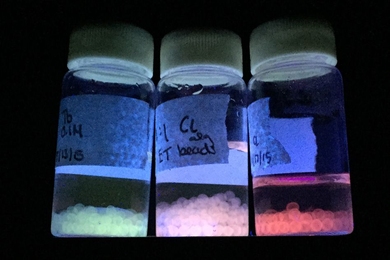
New family of luminescent materials could find broad uses in chemical and biological detectors.

From igniting carbon fibers to freeze-drying hydrogels, MIT Summer Scholars learn pioneering scientific techniques during nine-week internships.
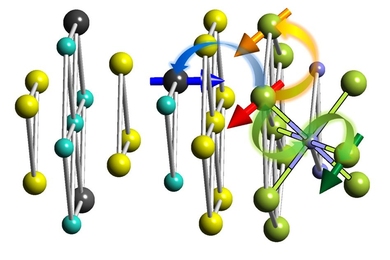
Findings could lead to a building block for future quantum computers, and a research tool for physics.
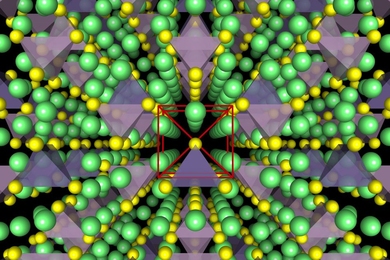
New research paves the way for rechargeable batteries with almost indefinite lifetimes, researchers say.