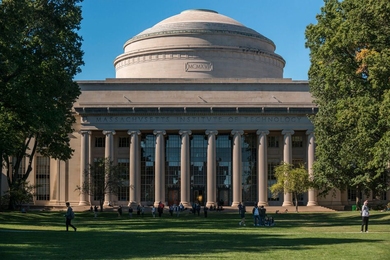
MIT graduate engineering, business, science programs ranked highly by U.S. News for 2019
Graduate engineering program is No. 1 in the nation; MIT Sloan is No. 5.
Graduate engineering program is No. 1 in the nation; MIT Sloan is No. 5.
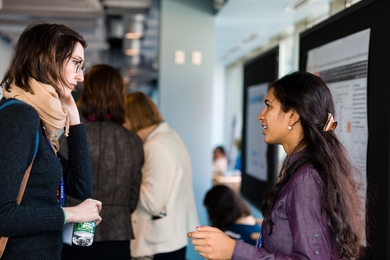
Co-hosted by MIT's Institute for Data, Systems, and Society, WiDS Cambridge brings together students, academic leaders, and industry partners.
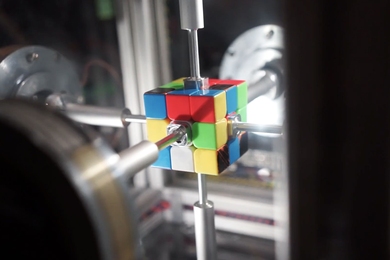
A robot developed by MIT students Ben Katz and Jared Di Carlo can solve a Rubik’s Cube in a record-breaking 0.38 seconds.

MIT faculty and students bring their health care research, and enthusiasm, to alumni in California.
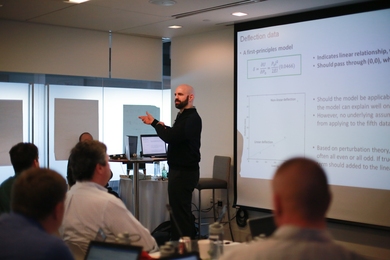
MIT Smart Manufacturing Leadership Program provides education, hands-on experience to leaders at manufacturing giant.
!["As the momentum builds, developers will be able to set up a ML [machine learning] apparatus just as they set up a database," says Max Kanter, CEO at Feature Labs. "It will be that simple."](/sites/default/files/styles/term_page__news_article/public/images/201803/Machine-Learning-Final-01.png?itok=cFwF0sOA)
Automated data science tools developed by MIT and Feature Labs deliver their first AI product.
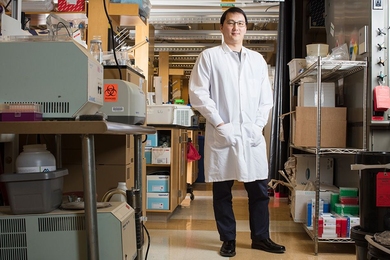
Synthetic biologist hopes to develop treatments for cancer and other diseases.
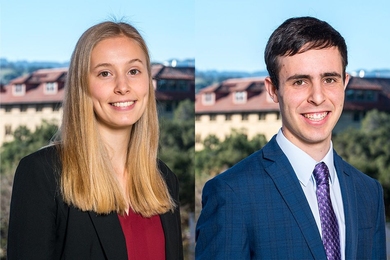
Seniors will join class of 49 scholars in new fellowship program.
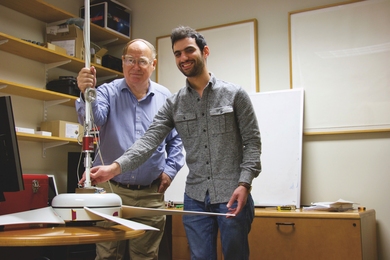
The Tata Center is building a high-efficiency, affordable electric motor that could have a huge impact in India, home to as many as half a billion ceiling fans.
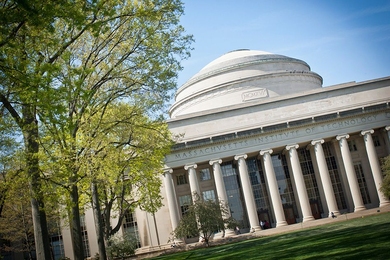
MIT ranked within top 5 in 19 out of 48 subject areas.
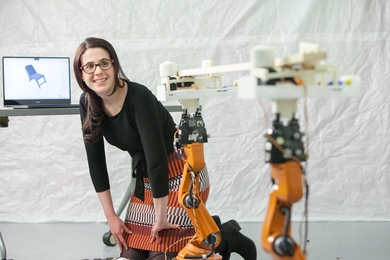
CSAIL’s robotic system minimizes dangerous sawing, helps users customize furniture.

New system patches security holes left open by web browsers’ private-browsing functions.
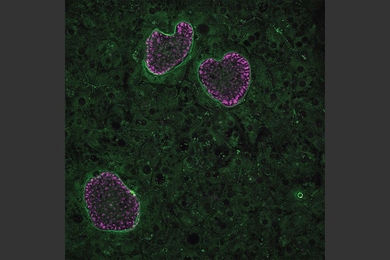
Novel technology could allow researchers to develop and test new antimalaria drugs.
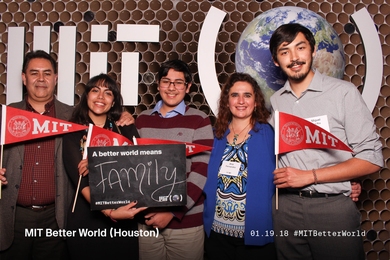
At the Hobby Center for the Performing Arts, alumni and friends celebrate the creativity and strength of MIT and the city of Houston.
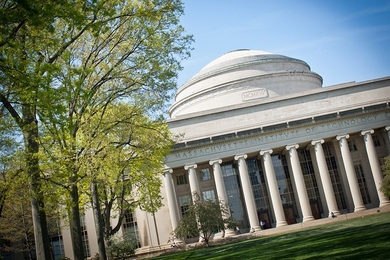
Faculty from six MIT departments among 126 selected from across the U.S. and Canada.