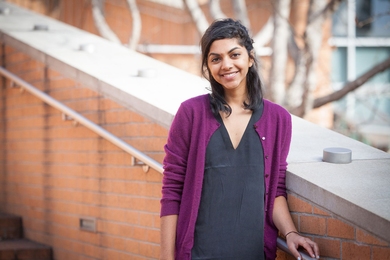
Building AI systems that make fair decisions
Harini Suresh, a PhD student at MIT CSAIL, studies how to make machine learning algorithms more understandable and less biased.
Harini Suresh, a PhD student at MIT CSAIL, studies how to make machine learning algorithms more understandable and less biased.
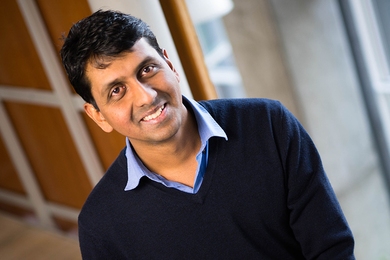
Electrical Engineering and Computer Science faculty member is honored for his innovative work in cybersecurity and his engaging teaching style.
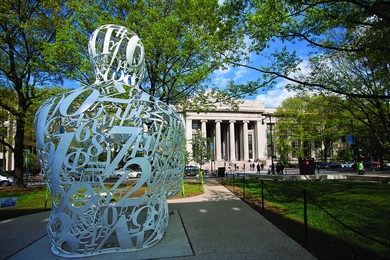
Interdisciplinary doctoral program in statistics and online MicroMasters program in statistics and data science begin this fall.
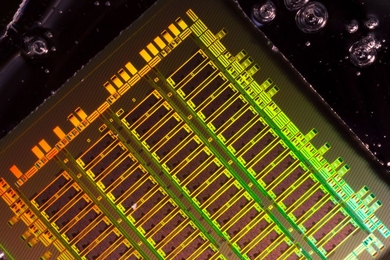
Technique would allow addition of optical communication components to existing chips with little modification of their designs.
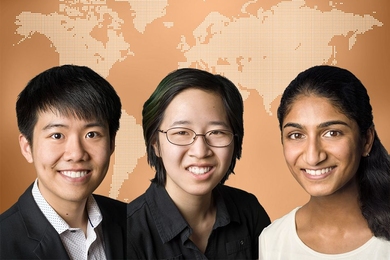
Award honors immigrants’ contributions to the United States.

“RoadTracer” system from the Computer Science and Artificial Intelligence Laboratory could reduce workload for developers of apps like Google Maps.

Two MIT computer science and molecular biology majors honored for their academic achievements.
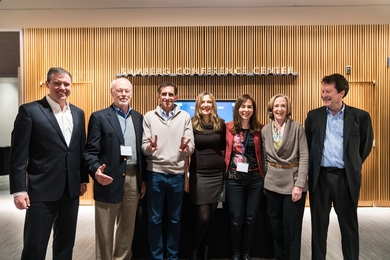
MIT hosts a summit on transformative artificial intelligence technologies in biomedical sciences and health care.
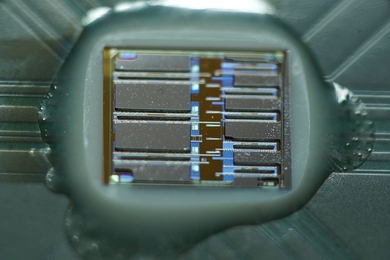
Startup’s optoelectronic chips could reduce energy usage by up to 50 percent in data centers while increasing computing speeds.
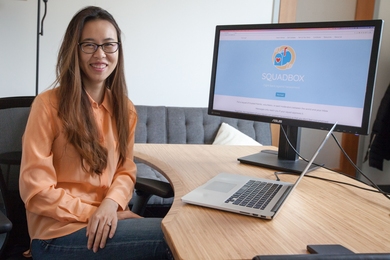
CSAIL’s “Squadbox” uses “friendsourcing” to better support targets of cyberbullying.
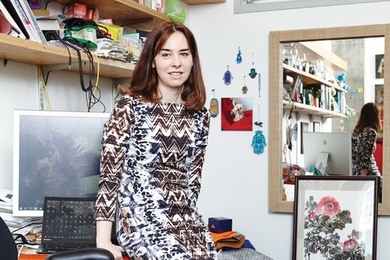
Katabi receives prestigious honor and $250,000 cash prize for her contributions to wireless systems.
Faculty members recognized for excellence via a diverse array of honors, grants, and prizes over the last quarter.

Through pilot program, mentors help fellow students through the stages of innovation and entrepreneurship at MIT.
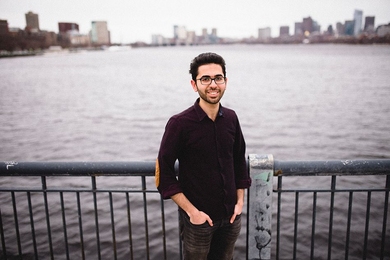
MIT senior Mehmet Efe Akengin aims to innovate for the greater good.
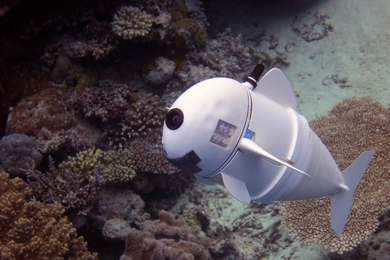
Made of silicone rubber, CSAIL’s “SoFi” could enable a closer study of aquatic life.